Loading...
Done
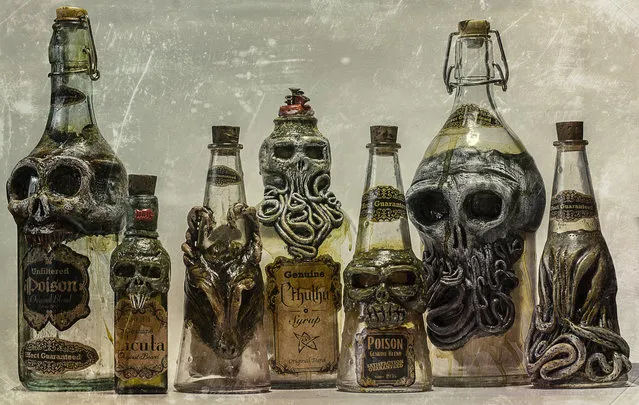
Creepy Bottles By FraterOrion

Andrea Falaschi, the artist who made these creepy Lovecraftian bottles comes from Italy and as he states in his short bio he was born in ’86, during the months of the Chernobyl radiation accident – that changed forever his genes, turning him into a monstrous creature who still lives in a shell of human flesh. Andrea Falaschi is a self-taught sculpturer and painter.
Details
14 Jul 2015 09:30:00
Belgian Hotel CasAnus

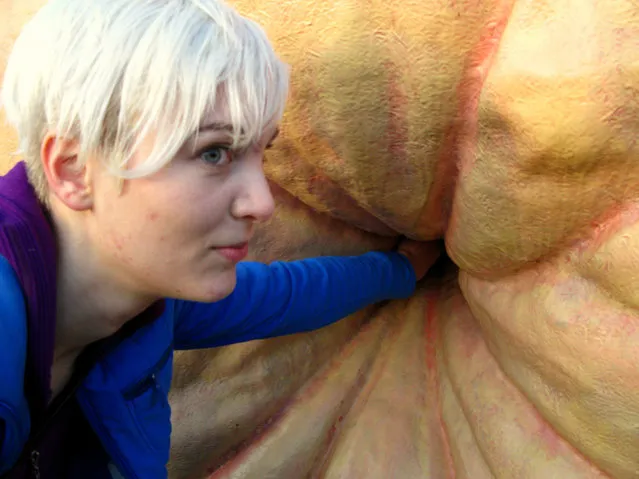
Hotel CasAnus has all the elements of a great weekend getaway. It's just shaped like a giant human colon. On a small island, nestled between Antwerp and Ghent in Flanders, Belgium, this quaint structure is designed like a humongous intestinal tract, complete with an anus replica.
Originally an art sculpture created by the Dutch designer Joep Van Lieshout, CasAnus is now a part of the Verbeke Foundation art park, one of Western Europe’s edgiest art venues.
Details
01 Jun 2015 04:45:00
Street Art By DALeast

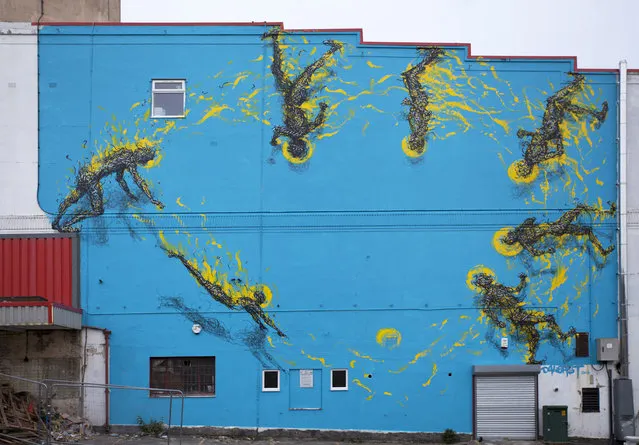
Chinese-born street artist DALeast, whose work is recognizable for its unique style anywhere he paints, has left a trail of stunning 3D graffiti spanning several continents. Based in South Africa with his wife, the 29-year-old artist spends around half a year traveling around the world and painting his graffiti artworks in different cities. Each piece of his street art looks as it’s made out of thousands of metal shards, which all come together beautifully to shape different animals, birds or humans in action.
Details
23 Sep 2014 12:34:00
Iceland By Tom Kondrat

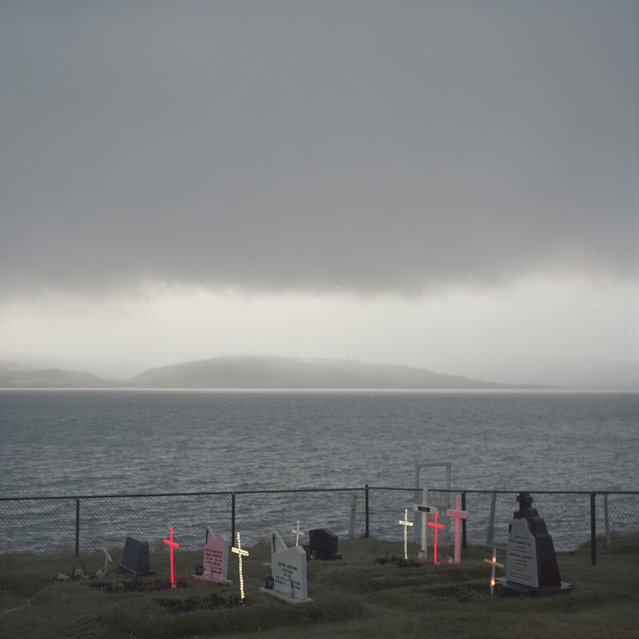
As you look at the set of pictures created by Tom Kondrat during his travels in Iceland, the first thing that comes to mind is the word “loneliness.” These pictures lead you to believe that Iceland is a desolate expanse of icy wasteland. You can almost imagine the strong wind howling in your ears, as it chills you straight to the bone. And as you’re walking down so beaten path, you’re all alone, with not a human soul for miles in any direction. This may prove unbearable for some, yet others find comfort in such places. With no one there to bother them and distract them from their thoughts, they can finally be at peace. (Photo by Tom Kondrat)
Details
25 Nov 2014 11:17:00
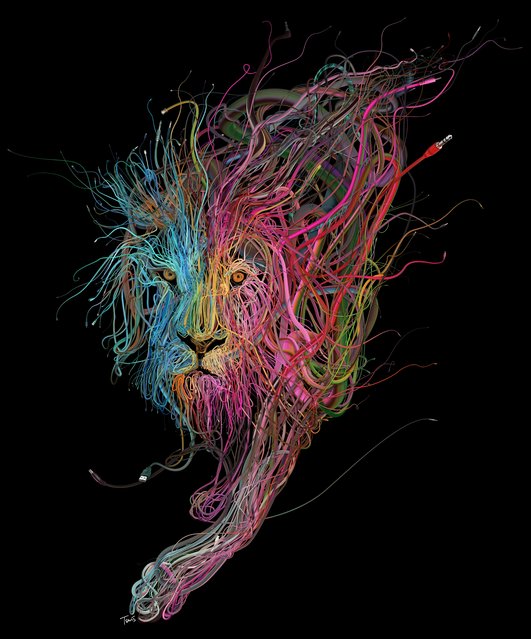
“The Conquering Lion: Plug into the power of Reggae”. (Photo by Charis Tsevis)

Greece-based illustrator, Charis Tsevis took his fascination with our wired world to develop his series of colorful and detailed wire illustrations. He uses all types of wires, including USB cords and phone cables, and creates form figures, faces and animals by tangling them together. Tsevis says, “All of them have to do with the relationship between the network and the human body and spirit”. Photo: “The Conquering Lion: Plug into the power of Reggae”. (Photo by Charis Tsevis)
Details
02 Apr 2014 10:01:00
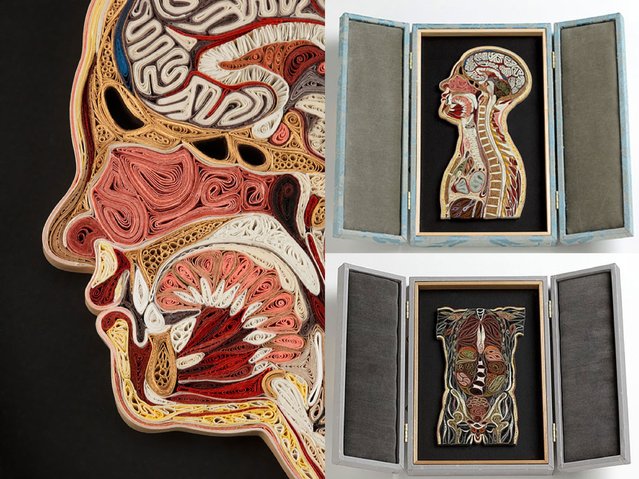
 Paper Anatomy By Lisa Nilsson

These pieces are made of Japanese mulberry paper and the gilded edges of old books. They are constructed by a technique of rolling and shaping narrow strips of paper called quilling or paper filigree. Quilling was first practiced by Renaissance nuns and monks who are said to have made artistic use of the gilded edges of worn out bibles, and later by 18th century ladies who made artistic use of lots of free time. I find quilling exquisitely satisfying for rendering the densely squished and lovely internal landscape of the human body in cross section.
Details
14 Apr 2013 11:07:00
Bolshevism - deadly enemy of humanity

Subhuman (book cover) / Germany (1942)


Propaganda is a form of communication aimed towards influencing the attitude of the community toward some cause or position by presenting only one side of an argument. Propaganda statements may be partly false and partly true. Propaganda is usually repeated and dispersed over a wide variety of media in order to create the chosen result in audience attitudes. – Wiki
Details
02 Aug 2013 10:28:00
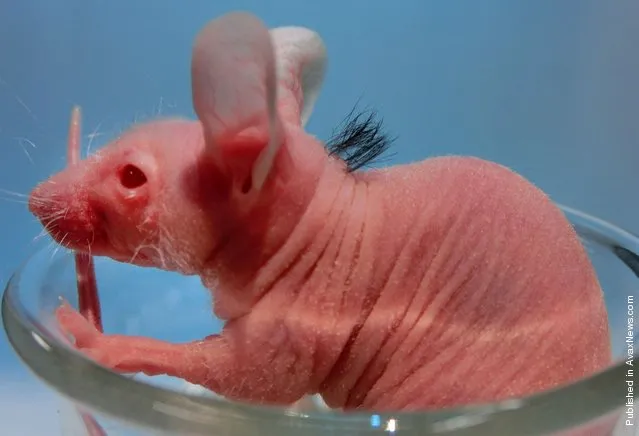
A hairless mouse with black hair on its back at the laboratory in Noda, Chiba Prefecture

Japanese researchers have sparked hopes of finding a cure for human baldness after successfully growing hair on hairless mice by implanting follicles created from stem cells, Agence France Presse reports. A picture taken on April 13, 2012 and released by the Tsuji Lab Research Institute for Science and Technology of the Tokyo University of Science shows a hairless mouse with black hair on its back at the laboratory in Noda, Chiba Prefecture. (Photo by Tokyo University of Science via AFP)
Details
22 Apr 2012 11:53:00