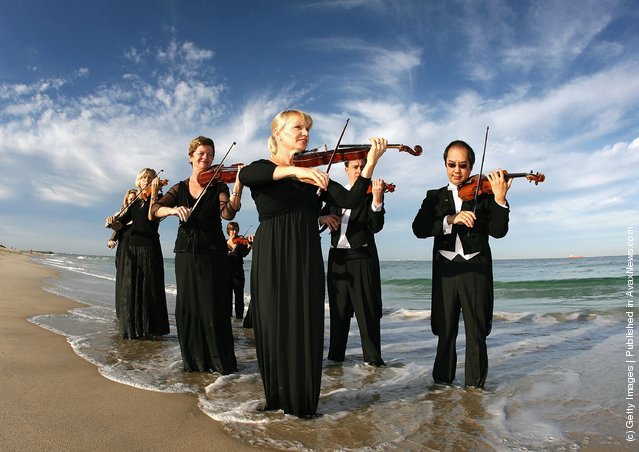
Musicians from the West Australian Symphony Orchestra perform a “Symphony in the Sea” at North Cottesloe Beach on December 2, 2008 in Perth, Australia. (Photo by Paul Kane/Getty Images)
People board a train at the West Railway Station on January 7, 2012 in Beijing, China. China's railways are bracing themselves as millions of migrant labourers are set to leave cities for their native villages to celebrate the Chinese New Year. (Photo by Lintao Zhang/Getty Images)
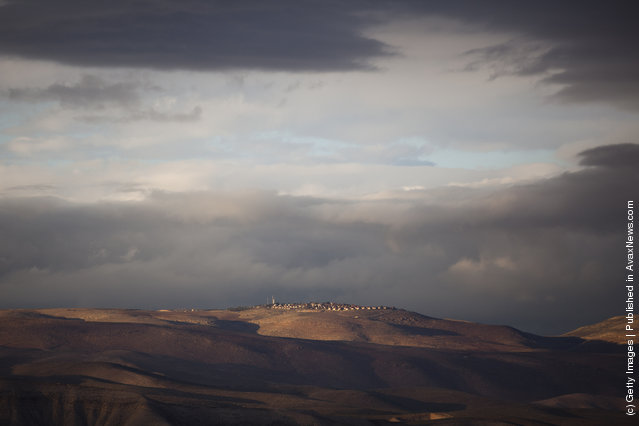
A general view of the Israeli settlement of Maale Michmash on January 17, 2012 in the West Bank. Israeli-Palestinian talks have been stalled for more than three years over the issue of Israeli settlement construction. (Photo by Uriel Sinai/Getty Images)
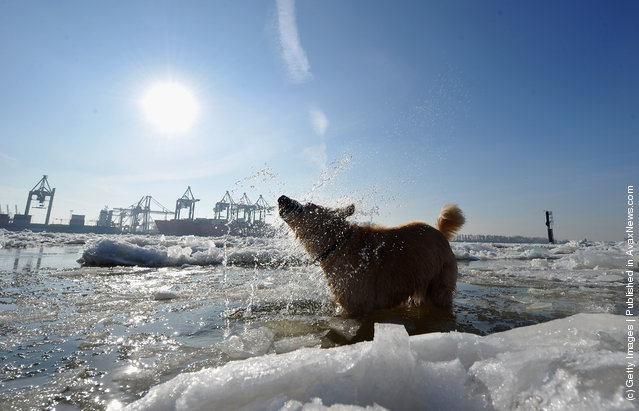
A dog takes a dip in the river Elbe on February 6, 2012 in Hamburg, Germany.The current cold front that has claimed over 200 lives in eastern Europe makes its way west. (Photo by Stuart Franklin/Getty Images)
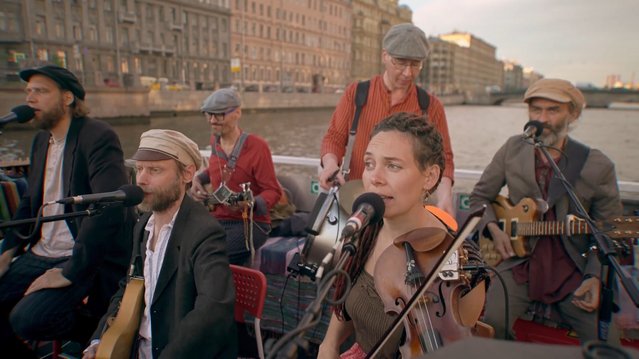
Отава Ё – Яблочко (Otava Yo – Yablochko; Russian: Яблочко, “Little Apple”). Yablochko is a Russian folk song of chastushka style and dance, traditionally presented as sailors' dance. The choreographed version of the dance first appeared in the 1926 Reinhold Glière ballet The Red Poppy and from there is known in the West as the Russian Sailors Dance.
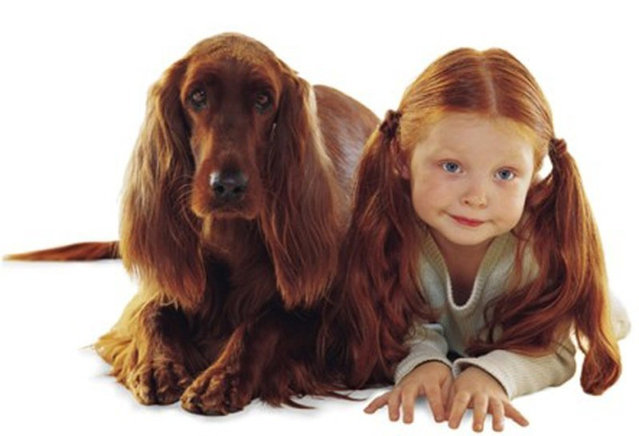
It’s the topic of one never-ending conundrum — do dogs look like their owners? If this is indeed true, do dogs grow to mimic their owners, or do owners choose a dog in their own image? It’s great when science confirms something we already instinctively know. According to a U.S. study, it’s official — dogs do look like their owners.
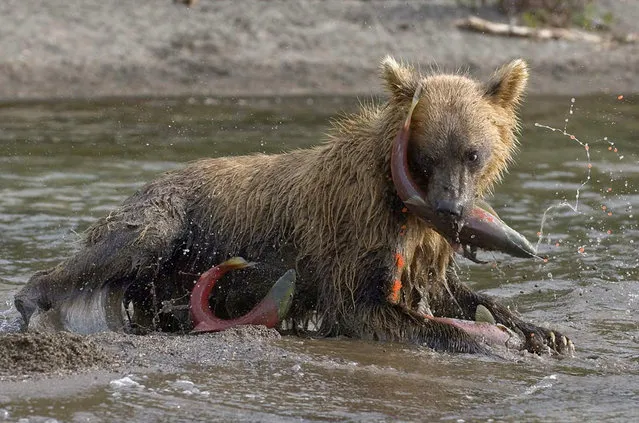
Hunting for a Salmon (more precisely – Oncorhynchus nerka). Scene of action: Kuril lake, Kamchatka, Russia. Action time: October – end of November, 2012. (Photo by Sergey Gorshkov)