Loading...
Done


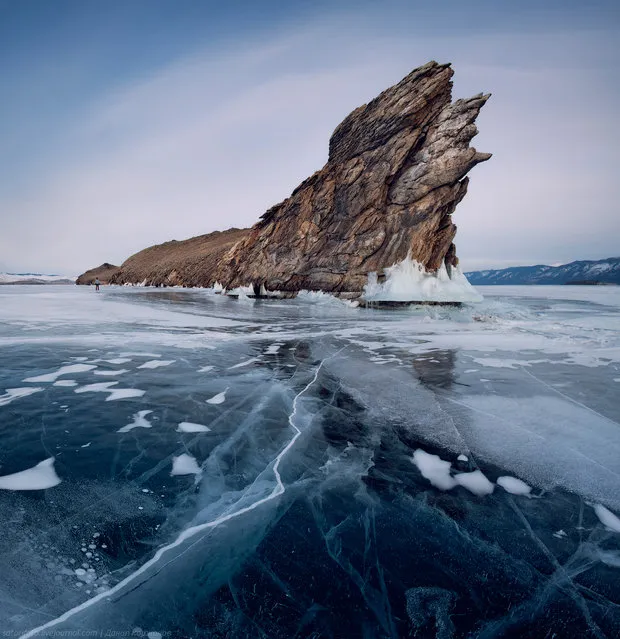
Lake Baikal is the world's oldest lake, at 25 million years (possibly older), and deepest, averaging 744.4 metres (2,442 ft).

Located in the south of the Russian region of Siberia, between Irkutsk Oblast to the northwest and the Buryat Republic to the southeast, it is the most voluminous freshwater lake in the world, containing roughly 20% of the world's unfrozen surface fresh water.
Details
08 May 2012 02:00:00
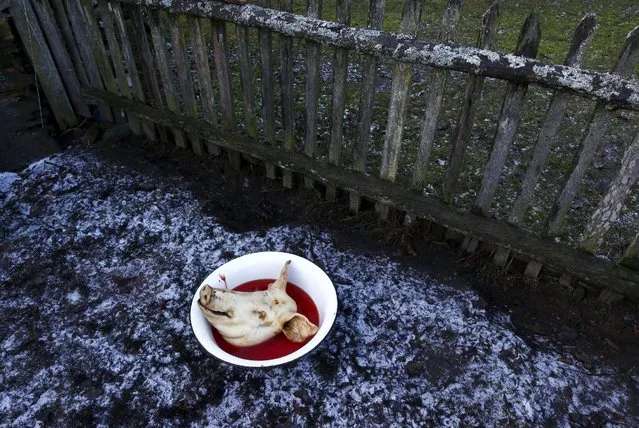
A pig's head is seen in a basin after it was slaughtered it in the village of Azerany, Belarus, December 12, 2015. (Photo by Vasily Fedosenko/Reuters)

A pig's head is seen in a basin after it was slaughtered it in the village of Azerany, Belarus, December 12, 2015. (Photo by Vasily Fedosenko/Reuters)
Details
14 Dec 2015 08:02:00
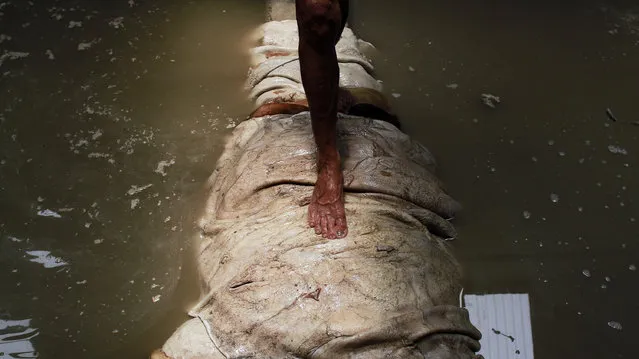
A man walks across a vat of water used to wash the hide. (Photo by Rezza Estily/JG Photo)

Sukaregang in Garut district, West Java, has long been a bustling center for Indonesia's leather trade, with some shops producing and selling various goods – including bags, shoes and jackets – since the 1940s. The industrial area is also a major supplier for high-end brands from across the globe, catering to the fashion, auto and motor-sports industry. Here: a man walks across a vat of water used to wash the hide. (Photo by Rezza Estily/JG Photo)
Details
31 Mar 2015 13:29:00
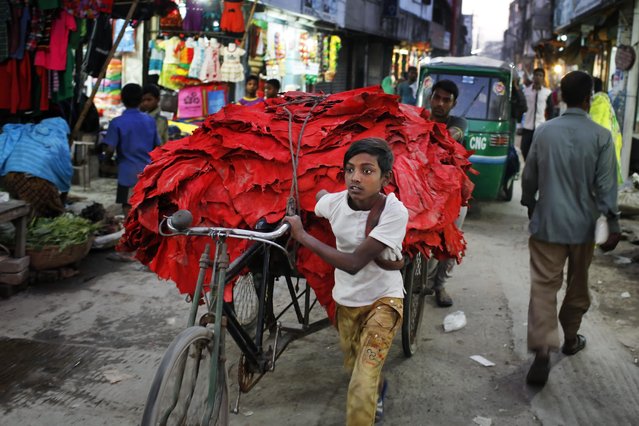
In this Thursday, February 9, 2017 photo, a Bangladeshi boy pulls a rickshaw loaded with strips of leather at the highly polluted Hazaribagh tannery area in Dhaka, Bangladesh. Hazardous, heavily polluting tanneries with workers as young as 14 supplied leather to companies that make shoes and handbags for Western brands, a nonprofit group that investigates supply chains says. (Photo by A.M. Ahad/AP Photo)

In this Thursday, February 9, 2017 photo, a Bangladeshi boy pulls a rickshaw loaded with strips of leather at the highly polluted Hazaribagh tannery area in Dhaka, Bangladesh. Hazardous, heavily polluting tanneries with workers as young as 14 supplied leather to companies that make shoes and handbags for Western brands, a nonprofit group that investigates supply chains says. (Photo by A.M. Ahad/AP Photo)
Details
25 Mar 2017 08:02:00
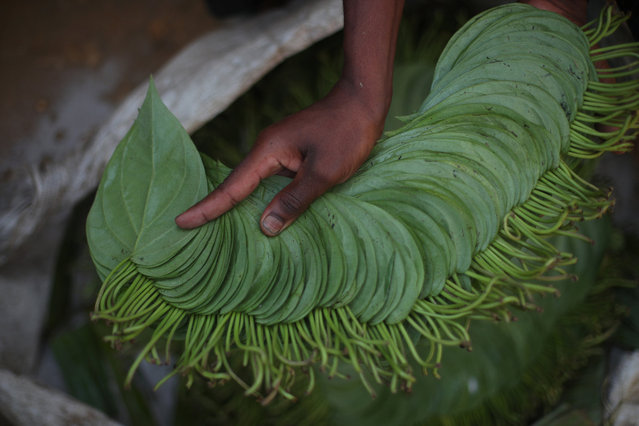
Faruk, 17, a Rohingya refugee trader holds betel leaves which are on sale at a stall in Palong Khali refugee camp near Cox's Bazar, Bangladesh, November 3, 2017. He left his village in Myanmar when the military opened fire towards the Rohingya. “I buy this betel leaf from Palong Khali market, in one bundle there are 160 pieces, I buy it for 80 taka and I sell it for 100 taka. Bangladeshi's and I sell for the same rate in the camp. Outside in the local market it is 80 taka per bundle. My problem is that I don't have money so I can't buy anything to eat, I can't buy fish to eat”, he said. (Photo by Hannah McKay/Reuters)

Faruk, 17, a Rohingya refugee trader holds betel leaves which are on sale at a stall in Palong Khali refugee camp near Cox's Bazar, Bangladesh, November 3, 2017. He left his village in Myanmar when the military opened fire towards the Rohingya. “I buy this betel leaf from Palong Khali market, in one bundle there are 160 pieces, I buy it for 80 taka and I sell it for 100 taka (1 Bangladeshi Taka = 0.012 US Dollar). Bangladeshi's and I sell for the same rate in the camp. Outside in the local market it is 80 taka per bundle. My problem is that I don't have money so I can't buy anything to eat, I can't buy fish to eat”, he said. (Photo by Hannah McKay/Reuters)
Details
27 Nov 2017 08:54:00
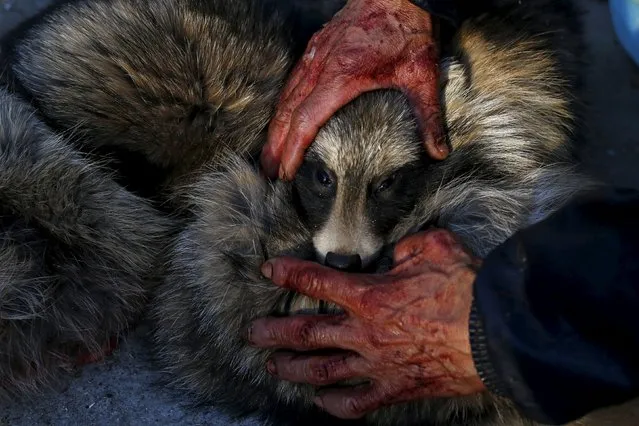
A worker holds the head of a fox while killing it with electricity for its fur at a fox farm in Nanzhuang village, Shandong province, China, December 11, 2015. There are over 60 households in the village still raising foxes, raccoon dogs and other animals for the fur trade. China is the world's largest fur producer and exporter, according to state media. (Photo by William Hong/Reuters)

A worker holds the head of a fox while killing it with electricity for its fur at a fox farm in Nanzhuang village, Shandong province, China, December 11, 2015. There are over 60 households in the village still raising foxes, raccoon dogs and other animals for the fur trade. China is the world's largest fur producer and exporter, according to state media. (Photo by William Hong/Reuters)
Details
16 Dec 2015 08:03:00
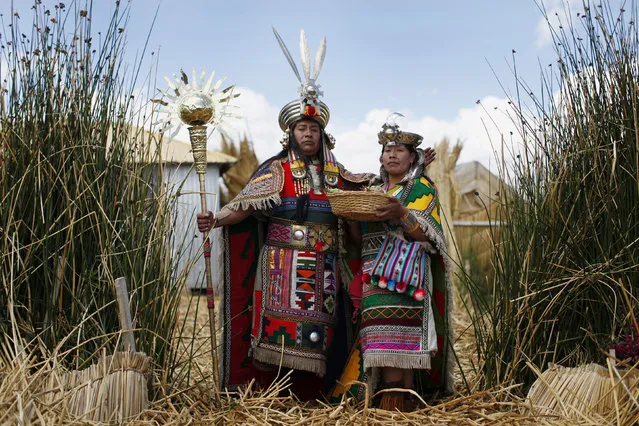
An Andean man and a woman, depicting Inca's legendary characters Manco Capac and Mama Ocllo, pose for a portrait in a Uros island at Lake Titicaca before a re-enactment in Puno November 5, 2014. The Uros islands are a group of 70 man-made totora reed islands floating on the lake, which according to Peru's tourism board iPeru is the world's highest navigable lake at over 4,000 meters above sea level. (Photo by Enrique Castro-Mendivil/Reuters)

An Andean man and a woman, depicting Inca's legendary characters Manco Capac and Mama Ocllo, pose for a portrait in a Uros island at Lake Titicaca before a re-enactment in Puno November 5, 2014. The Uros islands are a group of 70 man-made totora reed islands floating on the lake, which according to Peru's tourism board iPeru is the world's highest navigable lake at over 4,000 meters above sea level. The Uros people fish and hunt, but tourism is their main source of livelihood. (Photo by Enrique Castro-Mendivil/Reuters)
Details
07 Nov 2014 12:52:00
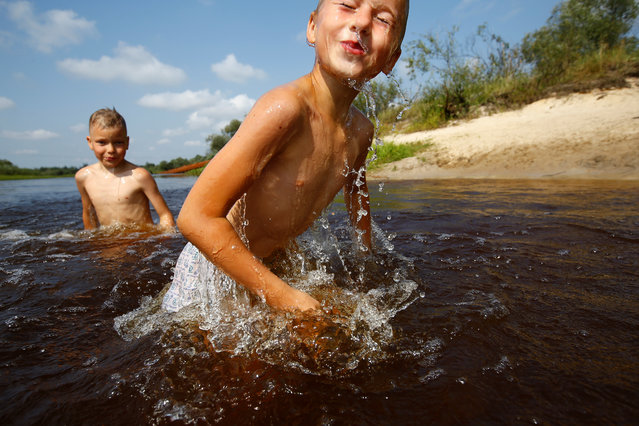
Boys play in the Stviga River on a hot summer day near the village of Pogost, Belarus, August 16, 2017. (Photo by Vasily Fedosenko/Reuters)

Just a few hours’ drive from the Belarus capital of Minsk, many villagers still live off the land. Nearly 80% of the country’s 9.5 million citizens live in urban areas, but for the rest, being close to nature can outweigh the hardships of country life. Here: Boys play in the Stviga River on a hot summer day near the village of Pogost, Belarus, August 16, 2017. (Photo by Vasily Fedosenko/Reuters)
Details
30 Nov 2017 08:28:00