Loading...
Done
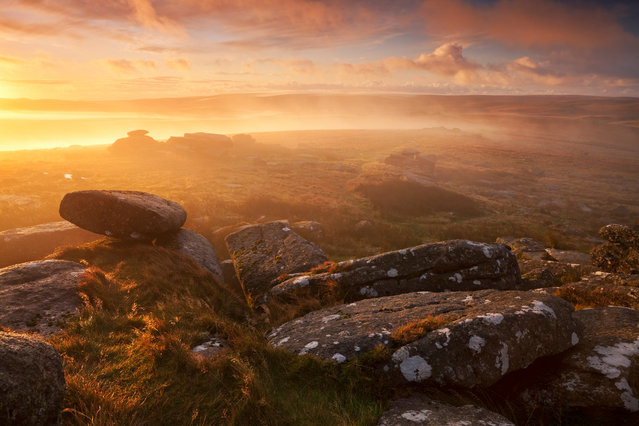
Sunrise over a moor viewed from Littaford Tor, Dartmoor, UK, 2016. Autumn visits the windswept moors and granite tors of Dartmoor earlier than the rest of the south-west. While there aren’t many trees here, autumn shades appear in golden ferns and tan heather. Littaford Tors, near Two Bridges and a mile from Princetown, is a short walk and can be combined with a visit to the adjacent Wistman’s Wood. (Photo by Stuart Holmes)

Sunrise over a moor viewed from Littaford Tor, Dartmoor, UK, 2016. Autumn visits the windswept moors and granite tors of Dartmoor earlier than the rest of the south-west. While there aren’t many trees here, autumn shades appear in golden ferns and tan heather. Littaford Tors, near Two Bridges and a mile from Princetown, is a short walk and can be combined with a visit to the adjacent Wistman’s Wood. (Photo by Stuart Holmes)
Details
03 Nov 2016 13:02:00
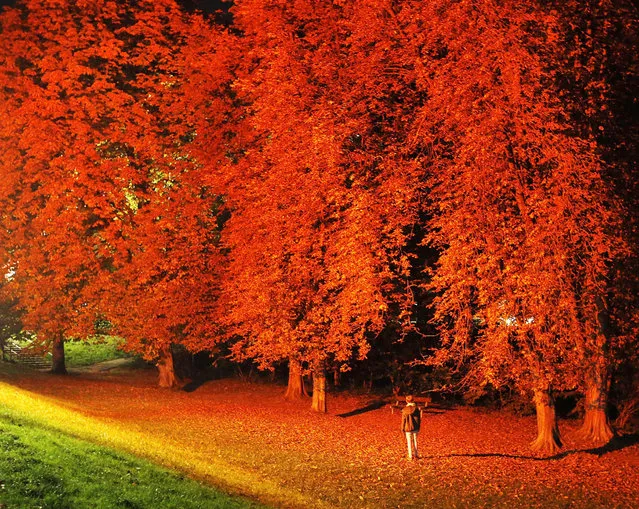
Trees in a park are illuminated with a red light as a part of an art project in Timmendorfer Strand, northern Germany Wednesday, October 26, 2016. (Photo by Michael Probst/AP Photo)

Trees in a park are illuminated with a red light as a part of an art project in Timmendorfer Strand, northern Germany Wednesday, October 26, 2016. (Photo by Michael Probst/AP Photo)
Details
29 Oct 2016 12:00:00
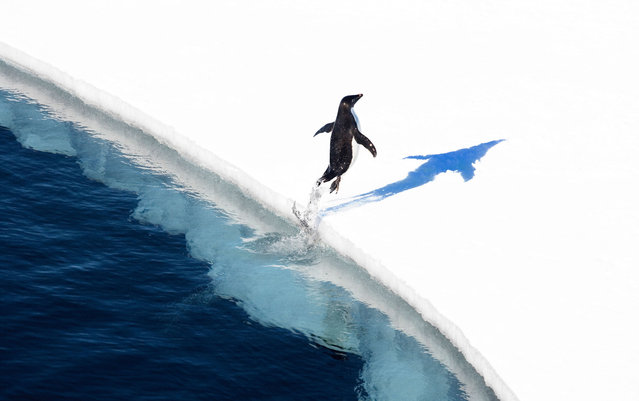
This undated handout photo received from the Antarctic Ocean Alliance on October 28, 2016 shows a adelie penguin jumping onto the ice in the Ross Sea in Antarctica. The world's largest marine reserve aimed at protecting the pristine wilderness of Antarctica will be created after a “momentous” agreement was finally reached on October 28, 2016 with Russia dropping its long-held opposition. A remote and largely pristine stretch of ocean off Antarctica received international protection on Friday, becoming the world's largest marine reserve as a broad coalition of countries came together to protect 598,000 square miles of water. The new marine protected area in the Ross Sea was created by a unanimous decision of the international body that oversees the waters around Antarctica – the Commission for the Conservation of Antarctic Marine Living Resources – and was announced at the commission's annual meeting in Tasmania. The commission comprises 24 countries, including the United States, and the European Union. (Photo by John Weller/AFP Photo/Antarctic Ocean Alliance)

This undated handout photo received from the Antarctic Ocean Alliance on October 28, 2016 shows a adelie penguin jumping onto the ice in the Ross Sea in Antarctica. The world's largest marine reserve aimed at protecting the pristine wilderness of Antarctica will be created after a “momentous” agreement was finally reached on October 28, 2016 with Russia dropping its long-held opposition. (Photo by John Weller/AFP Photo/Antarctic Ocean Alliance)
Details
29 Oct 2016 11:43:00
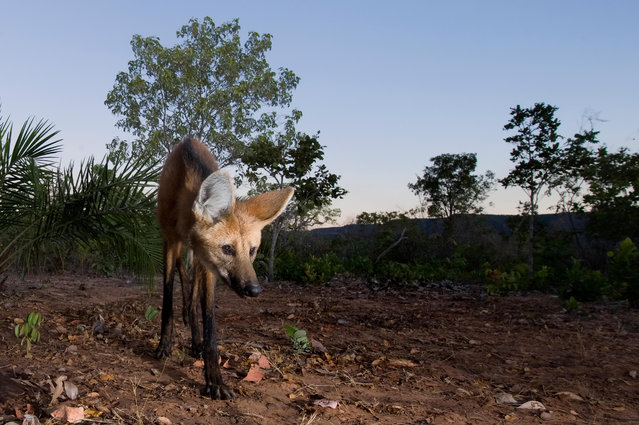
The maned wolf is among the large mammals in the Brazilian Cerrado that are threatened by the increasing conversion of grasslands into farmland for grazing and growing crops. (Photo by Ben Cranke/Nature Picture Library/Alamy Stock Photo)

Global wildlife populations will decline by 67% by 2020 unless urgent action is taken to reduce human impact on species and ecosystems, warns the biennial Living Planet Index report from WWF (World Wide Fund for Nature) and ZSL (Zoological Society of London). From elephants to eels, here are some of the wildlife populations most affected by human activity. Here: The maned wolf is among the large mammals in the Brazilian Cerrado that are threatened by the increasing conversion of grasslands into farmland for grazing and growing crops. (Photo by Ben Cranke/Nature Picture Library/Alamy Stock Photo)
Details
28 Oct 2016 10:47:00
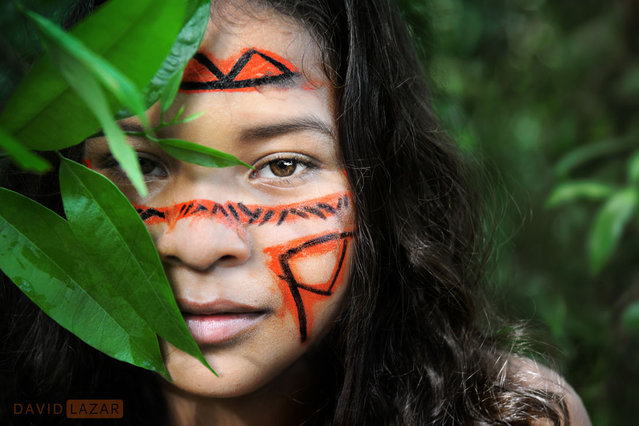
Amazon Tribe By David Lazar (Video)

Photographer David Lazar captured photos of native Dessana tribe, nearly 3,000 miles away from Brazil's capital. Tribe is only accessible by boat from city of Manaus. Surrounded by trees, waterfalls and tropical wildlife, this Amazon tribe is a world away from the beaches of Rio.
Details
27 Oct 2016 21:46:00
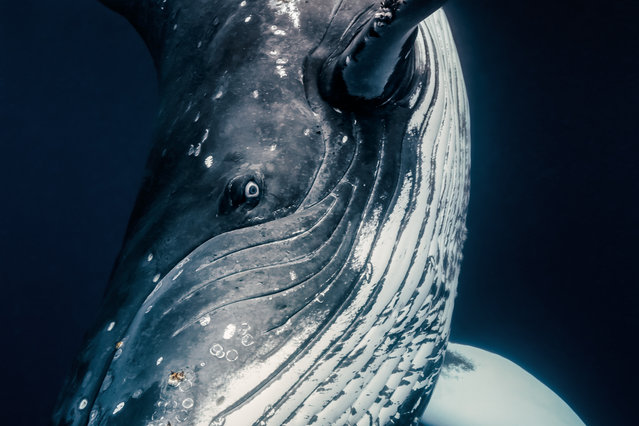
“To look into a whale’s eye is life-changing and humbling. Well, it’s the same with dolphins but they are mostly very fast in the water. A whale’s eye is unexpectedly looking, just like a human eye, kinda checking you out”. (Photo by Rita Kluge/The Guardian)

With the humpback calving season drawing to a close, here’s a look at some of Rita Kluge’s distinctive marine photos from the south Pacific. The Sydney-based photographer fell in love with whales after witnessing southern rights from the New South Wales coastline as they travelled to and from their feeding grounds in the Antarctic. She has since been to Tonga, where humpbacks breed and calf in winter months, to photograph them in the water. (Photo by Rita Kluge/The Guardian)
Details
26 Oct 2016 11:09:00
A selection of prizewinning images from the Take a View 2016 photography awards. Here: Finding Gold, taken in Wast Water in Cumbria, which won the Great Britain #OMGB “Home of Amazing Moments” award. (Photo by Mark Gilligan/PA Wire)

A selection of prizewinning images from the Take a View 2016 photography awards. Here: Finding Gold, taken in Wast Water in Cumbria, which won the Great Britain #OMGB “Home of Amazing Moments” award. (Photo by Mark Gilligan/PA Wire)
Details
24 Oct 2016 12:52:00
A layer of morning mist still covers the fields as the sun rises into the morning sky over Hohenfelden, Thuringia state, Germany, early 07 September 2016. Meteorologists predict the weather to become warm and sunny in the region with temperatures reaching around 256 degrees Celsius. (Photo by Martin Schutt/EPA)

A layer of morning mist still covers the fields as the sun rises into the morning sky over Hohenfelden, Thuringia state, Germany, early 07 September 2016. Meteorologists predict the weather to become warm and sunny in the region with temperatures reaching around 256 degrees Celsius. (Photo by Martin Schutt/EPA)
Details
22 Oct 2016 10:36:00