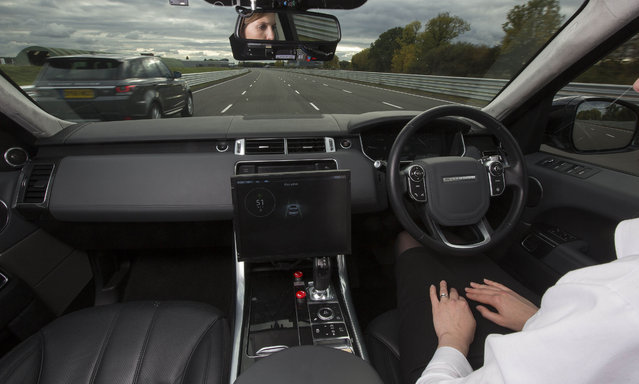
Amy Rimmer, Research Engineer at Jaguar Land Rover, demonstrates the car manufacturer's Advanced Highway Assist in a Range Rover, which drives the vehicle, overtakes and can detect vehicles in the blind spot, during the first demonstrations of the UK Autodrive Project at HORIBA MIRA Proving Ground in Nuneaton, Warwickshire on Friday October 21, 2016. (Photo by Fabio De Paola/PA Wire)
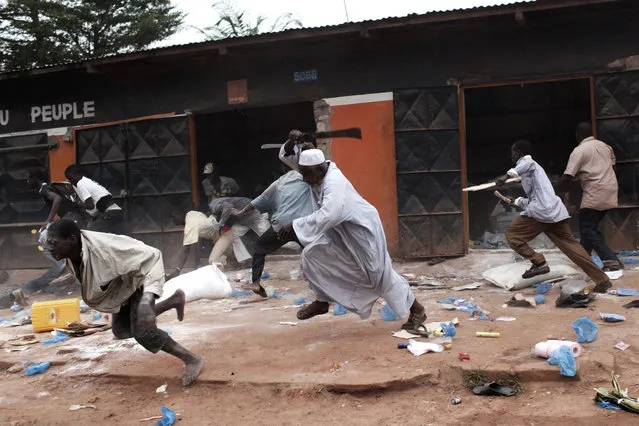
The 26th annual Visa Pour l’Image, the “Cannes Film Festival” of photojournalism kicks off, filling the French city of Perpignan with more than 3,000 of the world’s best photojournalists and photo editors, along with agencies from around the world. This year’s Visa Pour l’Image showcases 26 exhibitions around the city. Photo: Christians looting a Muslim shop in the “Combattants” district of Bangui. (Photo by Pierre Terdjman/Paris Match)
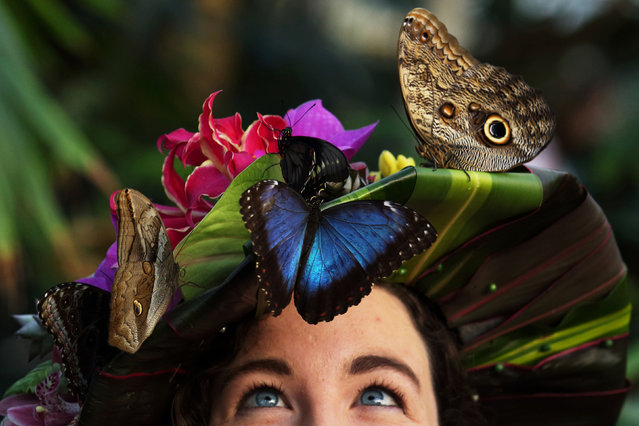
Entomologist Anna Platoni wears a hat made of tropical flowers made by florist Emma Reynolds with a Blue Morpho butterfly on her cheek to mark the opening of Butterflies in the Glasshouse at RHS Garden Wisley, south of London, on Janurary 15, 2016. (Photo by Luke MacGregor/PA Wire/RHS)
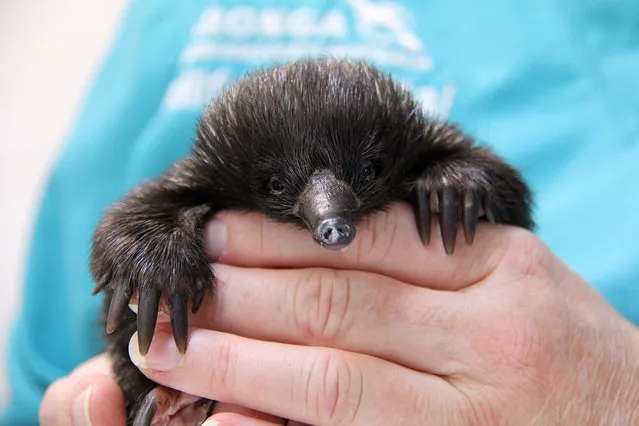
An undated handout picture made available on 29 April 2016 by the Toronga Zoo shows a baby echidna making a remarkable recovery after being attacked by chickens in a family's backyard at the Taronga Zoo in Sydney, Australia. (Photo by EPA/Taronga Zoo)
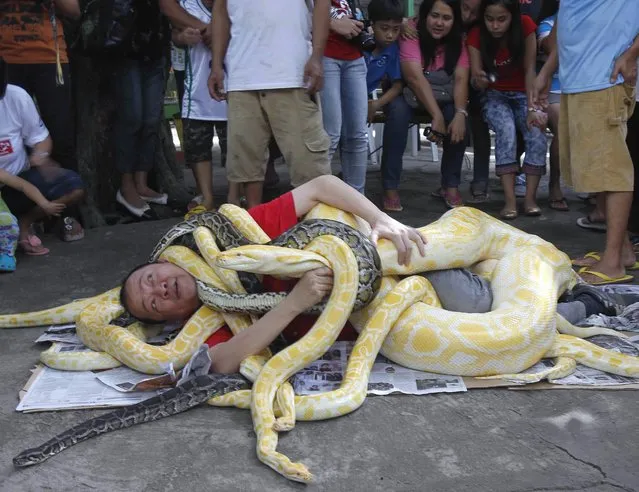
A man is seen wrapped with pythons, some which include the Albino Burmese Python, as part of a show celebrating the coming Year of the Snake in the Chinese calendar, while spectators look on, in Malabon city, north of Manila, Philippines, December 28, 2012. (Photo by Romeo Ranoco/Reuters)
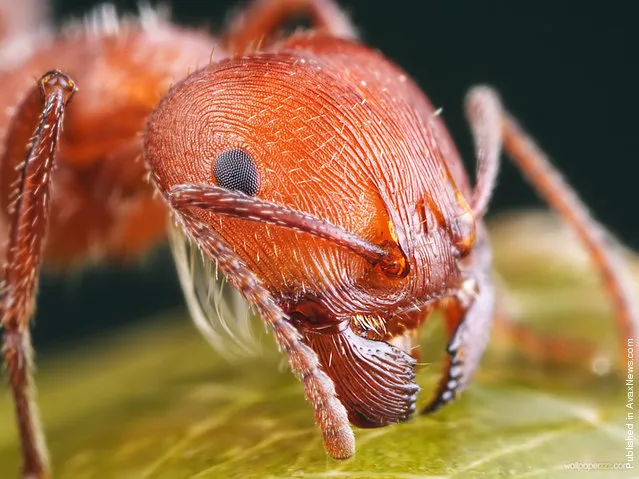
Once upon a time a myth was born that insects, unlike animals, are just a machines that not capable of learning and survive only based on their instincts. That myth has become the widespread opinion. Of course, this opinion is indeed erroneous, like many other widespread opinions. Let us try to find out which part is a myth and which part is true.
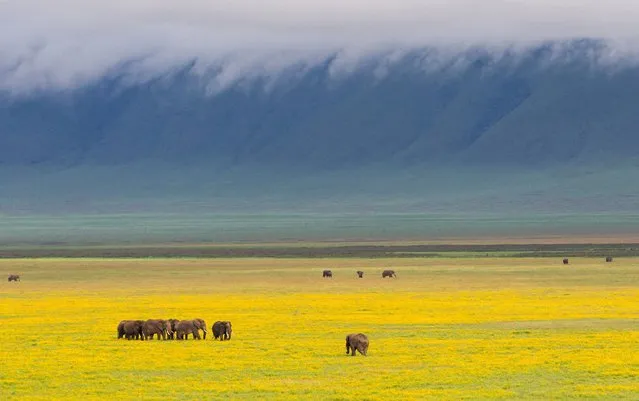
Ngorongoro Crater (Tanzania). At 610m deep and 260 sq km, this is the largest unflooded caldera in the world. A blue-green vision from above it's a haven for engangered wildlife and Maasai livestock. The crater was formed three million years ago when a giant volcano, which could have been as high as Kilimanjaro, exploded and collapsed. The caldera formed the concentric fractures in the crust cracked down to a magma reservoir deep underground. (Photo by John Bryant/Getty Images)