Loading...
Done
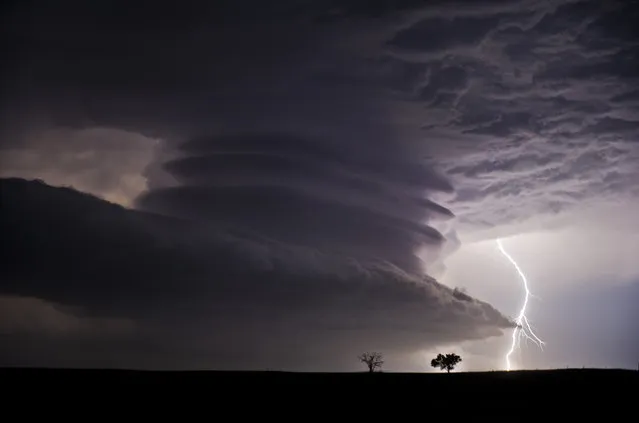
“Stacked Supercell with Lightning”. This huge mesocyclone supercell was near the Nebraska / Kansas border on the night of June 22nd, 2012. What a stunning structure! (Photo and caption by Jennifer Brindley/National Geographic Traveler Photo Contest)

“Stacked Supercell with Lightning”. This huge mesocyclone supercell was near the Nebraska / Kansas border on the night of June 22nd, 2012. What a stunning structure! (Photo and caption by Jennifer Brindley/National Geographic Traveler Photo Contest)

ATTENTION! All pictures are presented in high resolution. To see Hi-Res images – just TWICE click on any picture. In other words, click small picture – opens the BIG picture. Click BIG picture – opens VERY BIG picture.
Details
25 Jun 2013 13:12:00
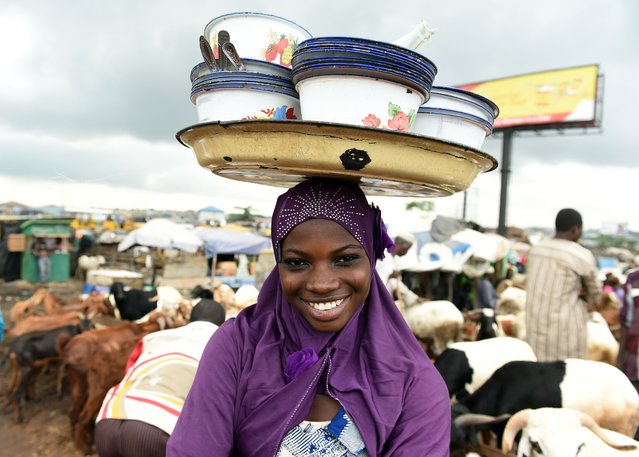
A young vendor hawks food on a market in Kara in the state of Ogun, on September 23, 2015. Nigeria imposed tight movement restrictions in the restive northeast after Boko Haram bombings that killed more than 100 raised fears of fresh attacks over the Eid al-Adha festival. The military said the use of all vehicles would be banned throughout Borno state during the Muslim festival, which is known as Sallah in Nigeria and marked with two days' public holiday from Thursday. (Photo by Pius Utomi Ekpei/AFP Photo)

A young vendor hawks food on a market in Kara in the state of Ogun, on September 23, 2015. Nigeria imposed tight movement restrictions in the restive northeast after Boko Haram bombings that killed more than 100 raised fears of fresh attacks over the Eid al-Adha festival. The military said the use of all vehicles would be banned throughout Borno state during the Muslim festival, which is known as Sallah in Nigeria and marked with two days' public holiday from Thursday. (Photo by Pius Utomi Ekpei/AFP Photo)
Details
24 Sep 2015 12:08:00
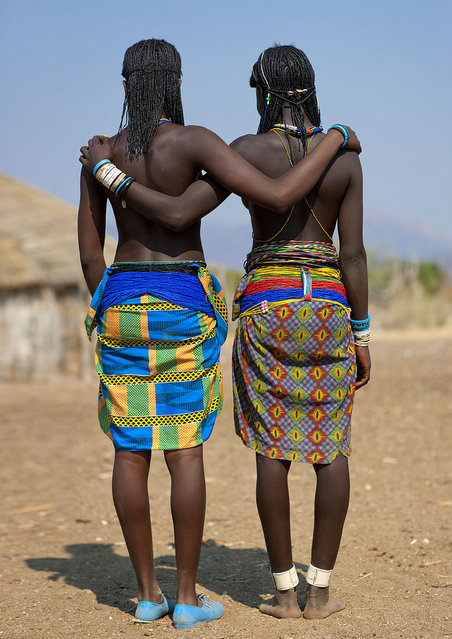
“Show us our butts! Mucawana tribe – Angola. In Soba village, the Muhacaona (Mucawana) tribe, perhaps the best place i have visited. They use cow dung and fat to make this so nice haircut, and love the beads. They asked me to make pictures of their backs... and butts to see on the camera screen if everything was perfect!”. (Eric Lafforgue)

“Show us our butts! Mucawana tribe – Angola. In Soba village, the Muhacaona (Mucawana) tribe, perhaps the best place i have visited. They use cow dung and fat to make this so nice haircut, and love the beads. They asked me to make pictures of their backs... and butts to see on the camera screen if everything was perfect!”. (Photo and comments by Eric Lafforgue)
Details
09 Nov 2012 15:04:00
Dancer Beth Bracegirdle of the Balbir Singh Dance Company practises at the Billingham Forum pool in Billingham, UK on July 20, 2016, ahead of the 52nd Billingham international folklore festival of world dance in August. (Photo by Owen Humphreys/PA Wire)

Dancer Beth Bracegirdle of the Balbir Singh Dance Company practises at the Billingham Forum pool in Billingham, UK on July 20, 2016, ahead of the 52nd Billingham international folklore festival of world dance in August. (Photo by Owen Humphreys/PA Wire)
Details
21 Jul 2016 14:01:00
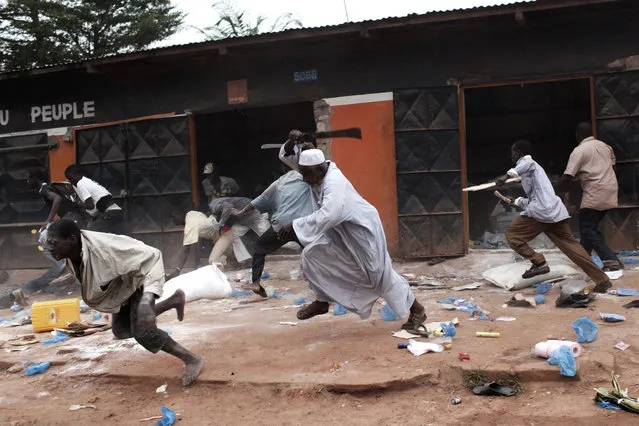
Christians looting a Muslim shop in the “Combattants” district of Bangui. (Photo by Pierre Terdjman/Paris Match)

The 26th annual Visa Pour l’Image, the “Cannes Film Festival” of photojournalism kicks off, filling the French city of Perpignan with more than 3,000 of the world’s best photojournalists and photo editors, along with agencies from around the world. This year’s Visa Pour l’Image showcases 26 exhibitions around the city. Photo: Christians looting a Muslim shop in the “Combattants” district of Bangui. (Photo by Pierre Terdjman/Paris Match)
Details
02 Sep 2014 12:47:00
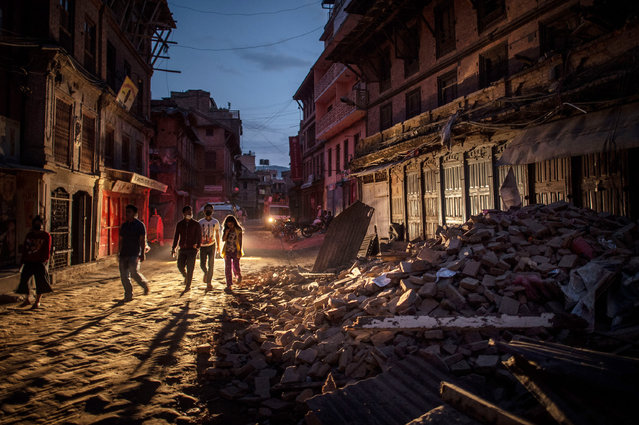
People walk past debris on May 3, 2015 in Bhaktapur, Nepal. A major 7.8 earthquake hit Kathmandu mid-day on Saturday, and was followed by multiple aftershocks that triggered avalanches on Mt. Everest that buried mountain climbers in their base camps. (Photo by David Ramos/Getty Images)

People walk past debris on May 3, 2015 in Bhaktapur, Nepal. A major 7.8 earthquake hit Kathmandu mid-day on Saturday, and was followed by multiple aftershocks that triggered avalanches on Mt. Everest that buried mountain climbers in their base camps. (Photo by David Ramos/Getty Images)
Details
09 May 2015 11:38:00
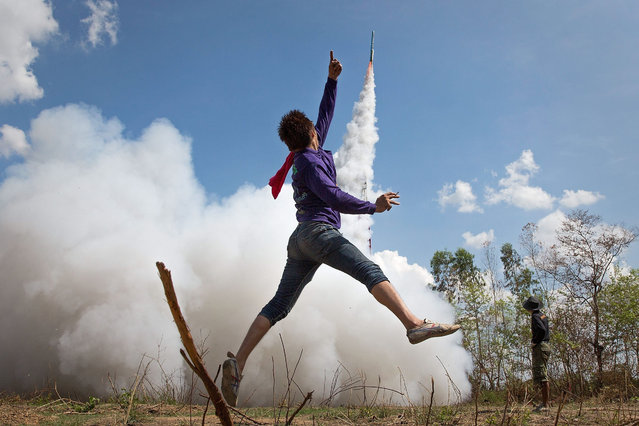
A young Thai man jumps in the air and cheers as his rocket takes off at the Bun Bang Fai Rocket Festival on May 10, 2015 in Yasothon, Thailand. During the Bun Bang Fai rocket festival, Thai residents launch enormous home-made rockets into the air to gain Buddhist merit and to celebrate the beginning of the rainy season. (Photo by Taylor Weidman/Getty Images)

A young Thai man jumps in the air and cheers as his rocket takes off at the Bun Bang Fai Rocket Festival on May 10, 2015 in Yasothon, Thailand. During the Bun Bang Fai rocket festival, Thai residents launch enormous home-made rockets into the air to gain Buddhist merit and to celebrate the beginning of the rainy season. (Photo by Taylor Weidman/Getty Images)
Details
16 May 2015 13:16:00
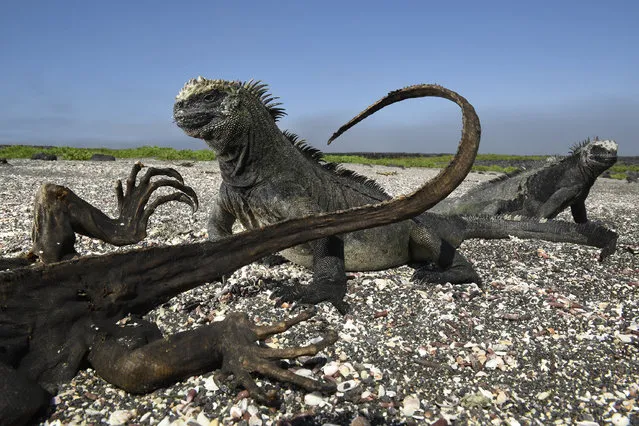
Galapagos – Rocking the Cradle: Four major ocean currents converge along the Galapagos archipelago, creating the conditions for an extraordinary diversity of animal life, April 25, 2016. The islands are home to at least 7,000 flora and fauna species, of which 97 percent of the reptiles, 80 percent of the land birds, 50 percent of the insects and 30 percent of the plants are endemic. The local ecosystem is highly sensitive to the changes in temperature, rainfall and ocean currents that characterize the climatic events known as El Niño and La Niña. These changes cause marked fluctuations in weather and food availability. Many scientists expect the frequency of El Niño and La Niña to increase as a result of climate change, making the Galapagos a possible early-warning location for its effects. (Photo by Thomas P. Peschak for National Geographic/World Press Photo)

Galapagos – Rocking the Cradle: Four major ocean currents converge along the Galapagos archipelago, creating the conditions for an extraordinary diversity of animal life, April 25, 2016. The islands are home to at least 7,000 flora and fauna species, of which 97 percent of the reptiles, 80 percent of the land birds, 50 percent of the insects and 30 percent of the plants are endemic. (Photo by Thomas P. Peschak for National Geographic/World Press Photo)
Details
16 Apr 2018 00:01:00