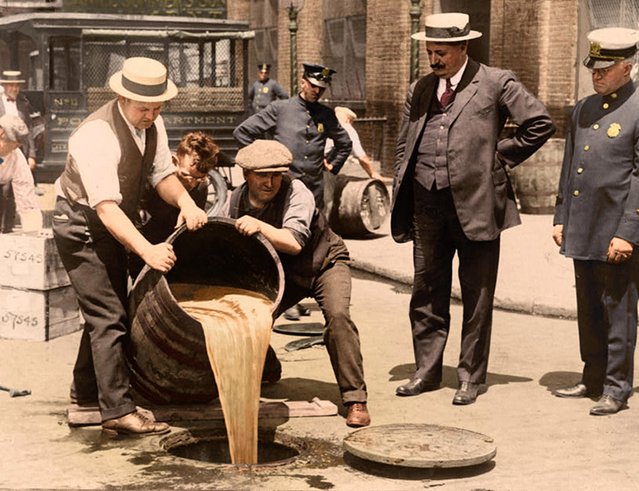
New York City Deputy Police Commissioner John A. Leach, right, watching agents pour liquor into sewer following a raid during the height of prohibition, circa 1921. (Photo by Tom Marshall/Mediadrumworld)
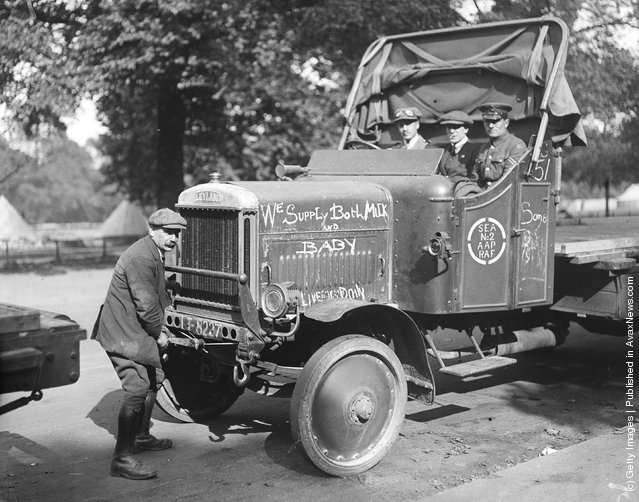
A Leyland lorry during the railway strike, “we supply both milk and baby” is chalked on the bonnet. (Photo by A. R. Coster/Topical Press Agency/Getty Images). 3rd October 1919
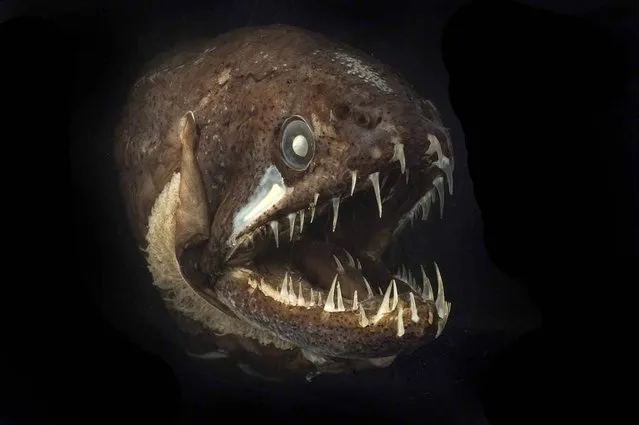
Imagine living in the sea where it is permanently dark, cold, and food is hard to find. For many animals at depth, it may be weeks to months between meals. If you find something to eat, you have to hang on to it. This is why so many deep-sea fishes have lots of big teeth. This dragonfish, spotted off the coast of Australia, even has teeth on its tongue. They would be terrifying animals ... if they weren’t the size of a banana. (Photo by Julian Finn/Museum Victoria)
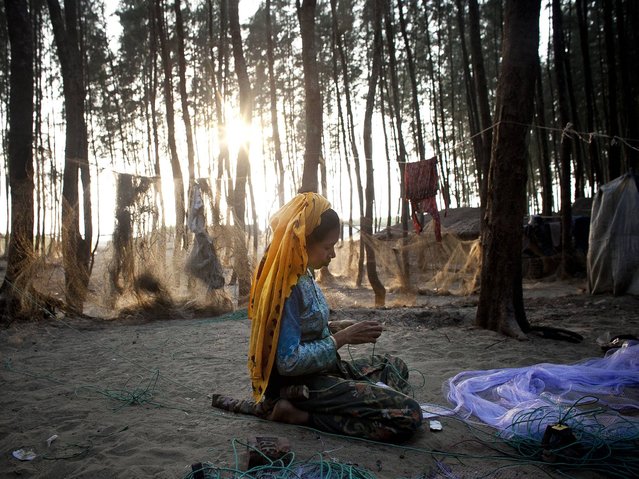
32 year old Mahada Khatum repairs a fishing net outside her home in the Shamalapur Rohingya refugee settlement on April 11, 2014 in Chittagong district, Bangladesh. Some years ago she escaped violence and discrimination from the Zomgara Baharchara village in the Meherulla district of Myanmar. (Photo by Getty Images/Stringer)
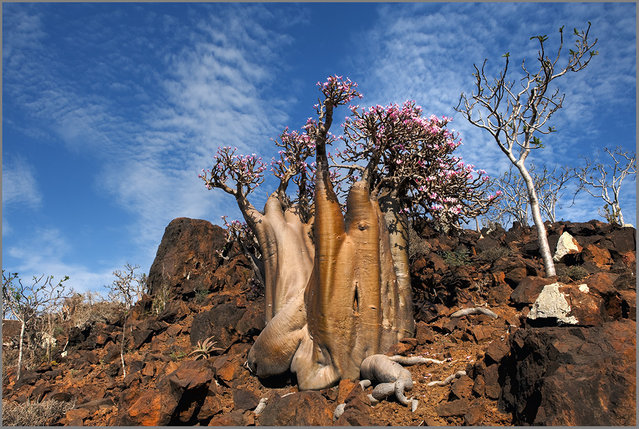
The largest island, also called Socotra, is about 95% of the landmass of the archipelago. It lies some 240 kilometres (150 mi) east of the Horn of Africa and 380 kilometres (240 mi) south of the Arabian Peninsula. The island is very isolated and through the process of speciation, a third of its plant life is found nowhere else on the planet. It has been described as the most alien-looking place on Earth. The island measures 132 kilometres (82 mi) in length and 49.7 kilometres (30.9 mi) in width.