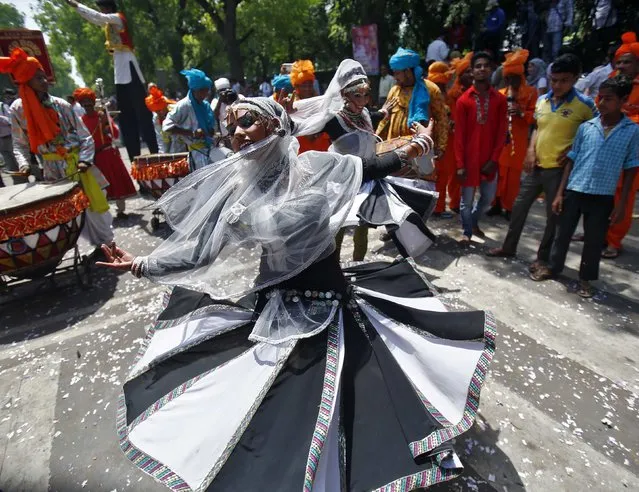
A supporter of BJP dances during celebrations after learning of initial poll results outside the party headquarters in New Delhi, on May 16, 2014. (Photo by Anindito Mukherjee/Reuters)
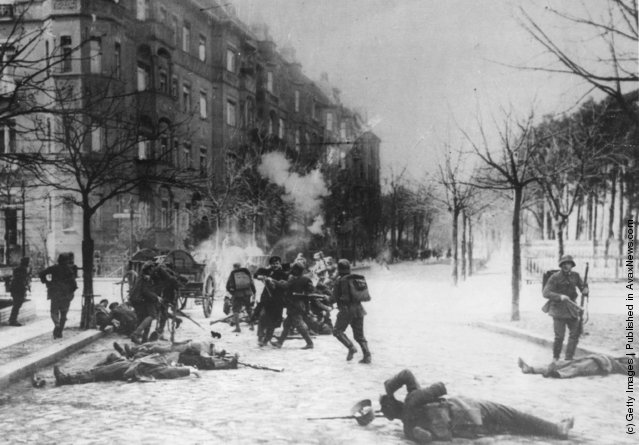
Street fighting in Berlin between Government troops and Spartacists, during the Spartacist uprising which followed Germany's defeat in World War I. (Photo by Keystone/Getty Images). 1919
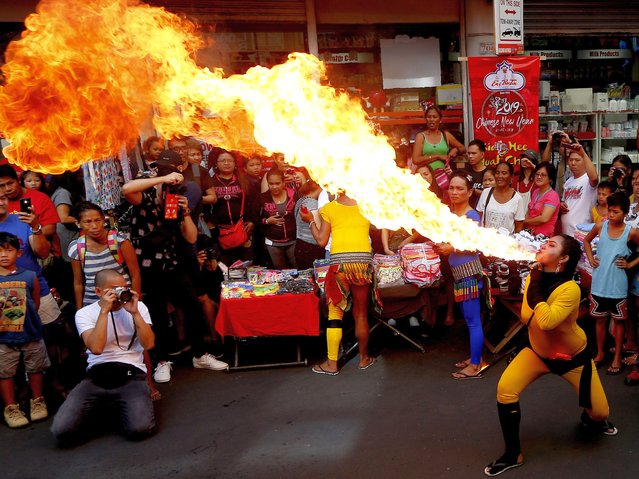
In this Tuesday, February 5, 2019, photo, fire-eater performs during celebrations of the Lunar New Year in the Chinatown district of Manila, Philippines. This year is the Year of the Earth Pig in the Chinese Lunar calendar and is supposed to represent abundance, diligence and generosity. (Photo by Bullit Marquez/AP Photo)
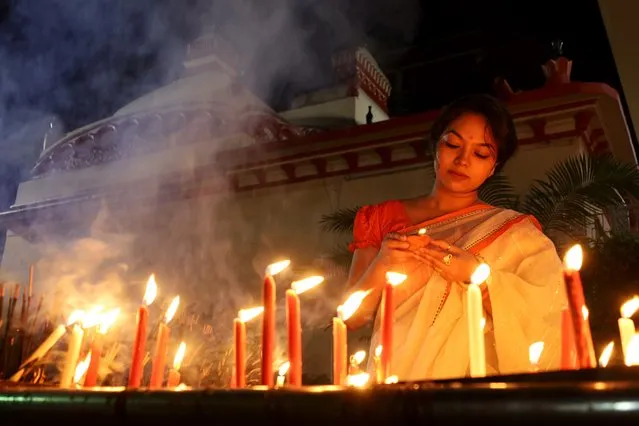
Hindu devotees celebrate Diwali with oil lamps, candles, Incense and flowers at Dhakeshwari Temple in Dhaka on November 12, 2023. (Photo by Syed Mahabubul Kader/ZUMA Press Wire/Rex Features/Shutterstock)
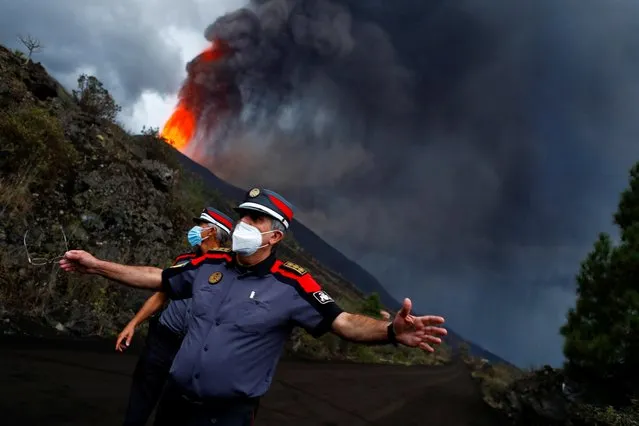
Police officers block a road as lava rises following the eruption of a volcano on the Island of La Palma, in Tacande, Spain on September 22, 2021. (Photo by Borja Suarez/Reuters)
Kamo Mphela, a South African dancer and singer performs Amapiano, a South African musical export that has crossed borders and cultural barriers, reaching as far as Japan, during a music concert in Pretoria, South Africa, July 22, 2022. (Photo by Shafiek Tassiem/Reuters)
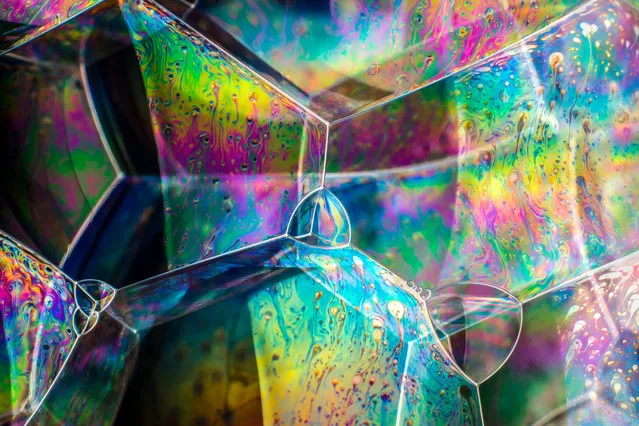
Soap Bubble Structures by Kym Cox. Bubbles optimise space and minimise their surface area for a given volume of air. This phenomenon makes them a useful tool in many areas of research, in particular, materials science and “packing” – how things fit together. Bubble walls drain under gravity, thin at the top, thick at the bottom, which interferes with travelling lightwaves to create bands of colour. Black spots show the wall is too thin for interference colours, indicating the bubble is about to burst. (Photo by Kym Cox/2019 Science Photographer of the Year/RPS)