08 Dec 2013 12:09:00,post received
0 comments

Details
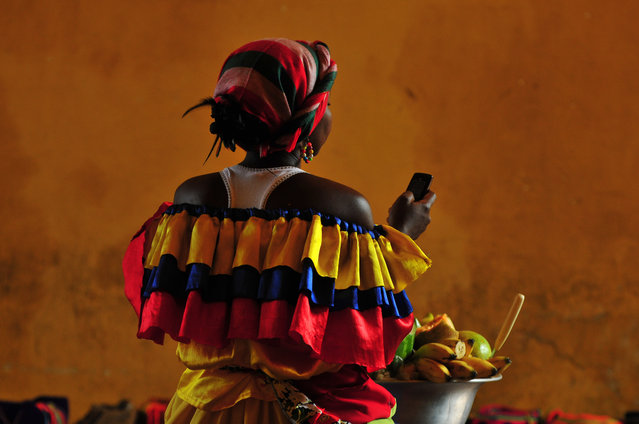
Winner. “I took this picture of a woman in traditional clothing in Cartagena, Colombia”. PAUL GOLDSTEIN, JUDGE: “The blaze of colour from every angle, the boldness of the picture, taken from behind, which gives it so much more allure and frankly a superb get up. Did I mention the colours? Oh, and that looks suspiciously like a Nokia”. (Photo by Stanislav Shmelev/The Guardian)
30 Mar 2017 11:05:00,post received
0 comments
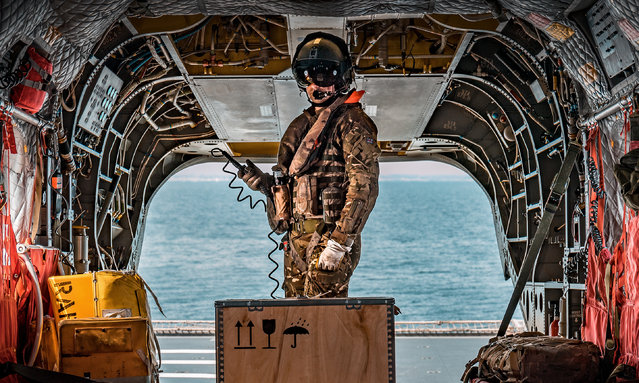
“This Way Up”. Photographic section portfolio, first prize. A Chinook CH-47 weapon systems operator prepares his aircraft during a training exercise in June 2018. (Photo bu SAC Ed Wright/RAF)
31 Aug 2018 00:01:00,post received
0 comments
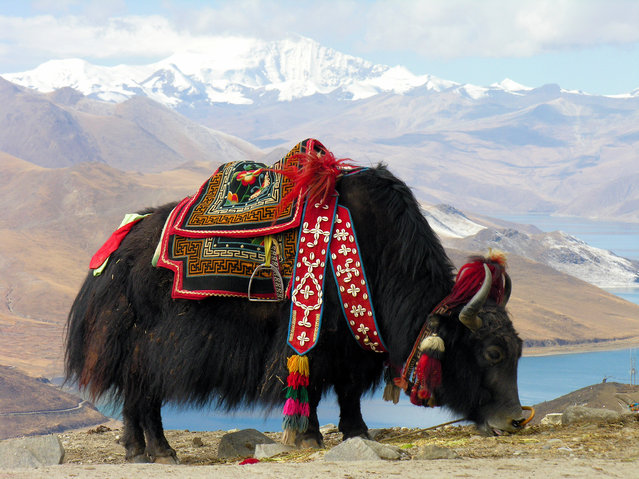
Yak near Yamdrok lake, Tibet. It is a long-haired bovinae found throughout the Himalayan region of south Central Asia, the Tibetan Plateau and as far north as Mongolia and Russia. The Tibetan economy is dominated by subsistence agriculture. Due to limited arable land, the primary occupation of the Tibetan Plateau is raising livestock, such as sheep, cattle, goats, camels, yaks, dzo, and horses. The Tibetan yak is an integral part of Tibetan life. (Photo by Dennis Jarvis)
10 Jun 2015 10:48:00,post received
0 comments

Workers demonstrate outside the factory of Hua Yang Printing Holdings Co Ltd on October 30, 2007 in Shenzhen of Guangdong Province, China. Over 1,000 workers of the company have blocked the 107 State Highway where the firm is located, to protest against their employer, who owed half a month's salary to the workers. (Photo by China Photos/Getty Images)
17 Jun 2011 11:43:00,post received
0 comments
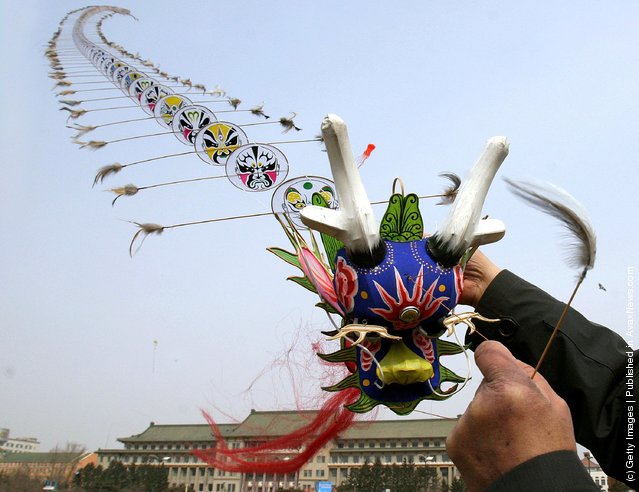
A man flies a dragon-shaped kite at a square on March 31, 2006 in Changchun of Jilin Province, China. (Photo by China Photos/Getty Images)
31 Dec 2011 10:29:00,post received
0 comments

A couple walks across the Francis Scott Key Bridge as the setting sun lights up the clouds in Washington, Friday, October 30, 2020. (Photo by J. David Ake/AP Photo)
19 Nov 2020 00:03:00,post received
0 comments
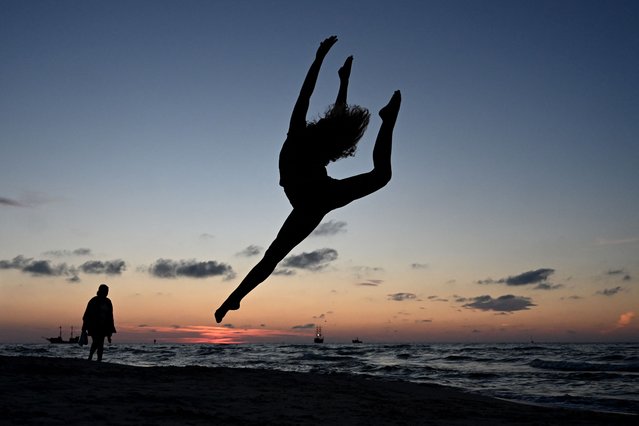
A member of the Grupa Magnifica acrobatics club poses for a photo on the Baltic Sea beach during sunset in the town of Leba, Pomeranian region, on August 6, 2024. (Photo by Sergei Gapon/AFP Photo)
02 Sep 2024 03:12:00,post received
0 comments