Loading...
Done

Godzilla - Game Boy Ad


Missing that old days of gaming when games were GAMES and not a dunghill of marketing bullshit with DLC? Sick of all this "press X to win"? So remember the CLASSIC!
Details
08 Jan 2014 10:43:00
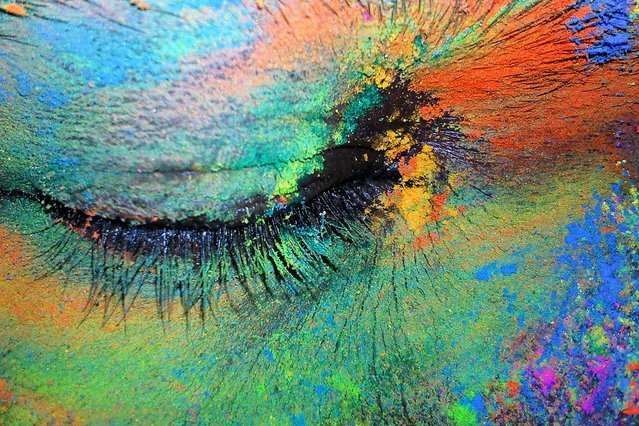
This close-up image – of a Holi Festival celebrant in Vrindivan, India, coated in neon-colored powder – was submitted to National Geographic’s Your Shot in the last week of March. On April 1 we published it on our Daily News site, along with seven other bright scenes captured during the Hindu spring Festival of Colors. (Photo by Tinto Alencherry/National Geographic)

This close-up image – of a Holi Festival celebrant in Vrindivan, India, coated in neon-colored powder – was submitted to National Geographic’s Your Shot in the last week of March. On April 1 we published it on our Daily News site, along with seven other bright scenes captured during the Hindu spring Festival of Colors. (Photo by Tinto Alencherry/National Geographic)
Details
06 Jan 2014 12:30:00
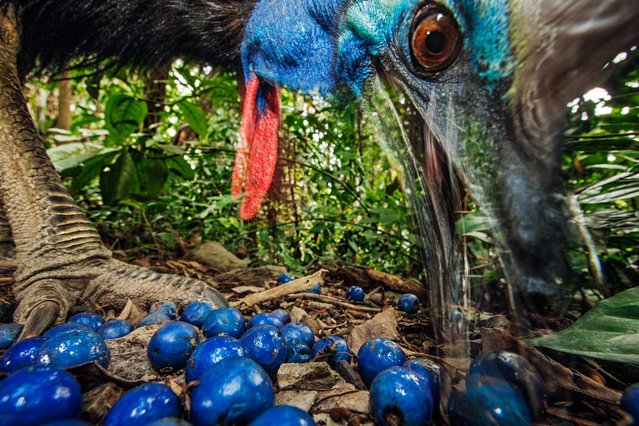
“Cassowaries are large, flightless birds related to emus and (more distantly) to ostriches, rheas, and kiwis”, writes Olivia Judson in the September issue of National Geographic magazine. (Photo by Christian Ziegler/National Geographic)

“Cassowaries are large, flightless birds related to emus and (more distantly) to ostriches, rheas, and kiwis”, writes Olivia Judson in the September issue of National Geographic magazine. How large? People-size: Adult males stand well over five foot five and top 110 pounds. Females are even taller, and can weigh more than 160 pounds. Dangerous when roused, they’re shy and peaceable when left alone. But even birds this big and tough are prey to habitat loss. The dense New Guinea and Australia rain forests where they live have dwindled. Today cassowaries might number 1,500 to 2,000. And because they help shape those same forests – by moving seeds from one place to another – “if they vanish”, Judson writes, “the structure of the forest would gradually change” too. (Photo by Christian Ziegler/National Geographic)

Details
06 Jan 2014 12:21:00
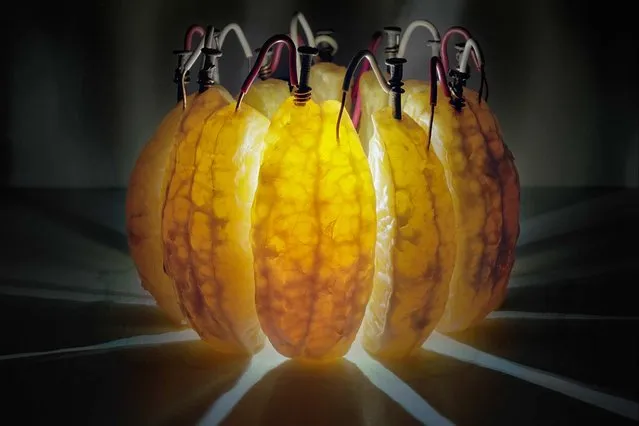
Wedges of an orange generate enough current and electrical juice – 3.5 volts – to power an LED. The fruit’s citric acid helps electrons flow from galvanized nails to copper wire in this 14-hour exposure. This image was published in September’s Visions of Earth, a trio of photos that appear in each issue of National Geographic. (Photo by Caleb Charland/National Geographic)

Wedges of an orange generate enough current and electrical juice – 3.5 volts – to power an LED. The fruit’s citric acid helps electrons flow from galvanized nails to copper wire in this 14-hour exposure. This image was published in September’s Visions of Earth, a trio of photos that appear in each issue of National Geographic. (Photo by Caleb Charland/National Geographic)
Details
06 Jan 2014 12:09:00
Head in the Clouds By Kaitlin Rebesco

“Head in the Clouds” – a series of a photographer from Brooklyn, Kaitlin Rebesco. She creates unique portraits of Paris, focusing on the tops of the iconic buildings.
Details
05 Jan 2014 12:42:00
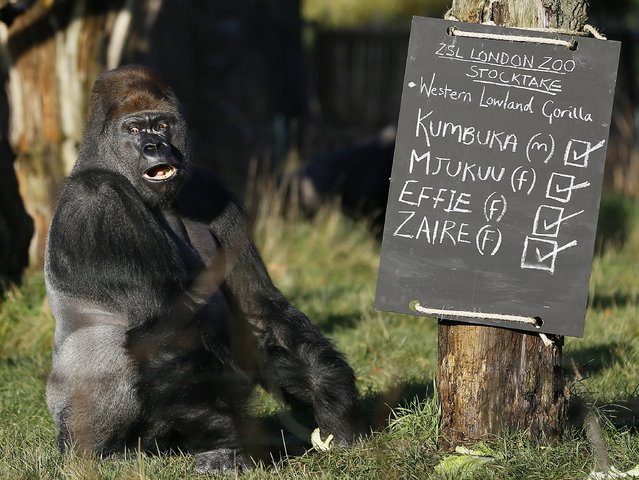
Kumbuka, a male silverback gorilla sits next to the keeper's chalk board in his enclosure at London Zoo, Thursday, January 2, 2014. Home to more than 850 different species, zoo keepers welcomed in the New Year armed with clipboards as they made a note of every single animal. The compulsory annual count is required as part of ZSL London Zoo's zoo license, and every creature, from the tiny leaf cutter ants to the huge silverback gorilla is duly noted and accounted for. (Photo by Kirsty Wigglesworth/AP Photo)

Kumbuka, a male silverback gorilla sits next to the keeper's chalk board in his enclosure at London Zoo, Thursday, January 2, 2014. Home to more than 850 different species, zoo keepers welcomed in the New Year armed with clipboards as they made a note of every single animal. The compulsory annual count is required as part of ZSL London Zoo's zoo license, and every creature, from the tiny leaf cutter ants to the huge silverback gorilla is duly noted and accounted for. (Photo by Kirsty Wigglesworth/AP Photo)
Details
03 Jan 2014 11:03:00
Polar Bear club swimmers take their annual swim in the sea at Coney Island in New York City on January 1, 2014. (Photo by Curtis Means/ACE/INFphoto.com)

Polar Bear club swimmers take their annual swim in the sea at Coney Island in New York City on January 1, 2014. (Photo by Curtis Means/ACE/INFphoto.com)
Details
03 Jan 2014 10:38:00
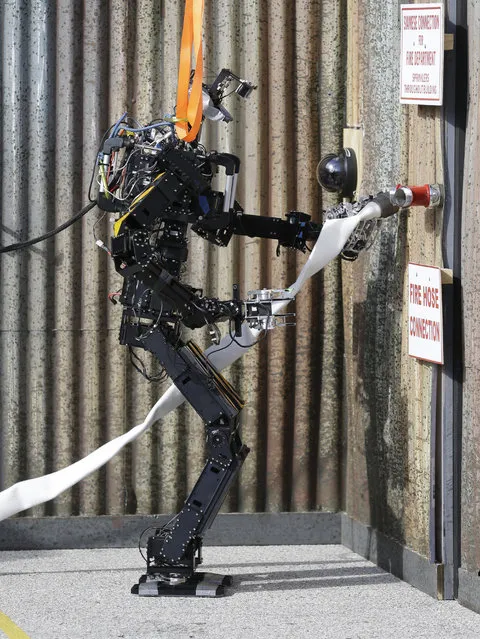
Thor, Virginia Tech College of Engineering, Robotics and Mechanisms Laboratory, tries to connect the hose to a firehose connection during the hose task at the Homestead-Miami Speedway, Friday, December 20, 2013, in Homestead, Fla. Seventeen teams from the United States, China, Japan, and Korea are participating in the DARPA Rpbotics Challenge Trials. The event is a test of some of the most advanced robots in the world. (AP Photo/Alan Diaz)

Thor, Virginia Tech College of Engineering, Robotics and Mechanisms Laboratory, tries to connect the hose to a firehose connection during the hose task at the Homestead-Miami Speedway, Friday, December 20, 2013, in Homestead, Fla. (Photo by Alan Diaz/AP Photo)
Details
03 Jan 2014 09:26:00