Loading...
Done
LEGO Street Art

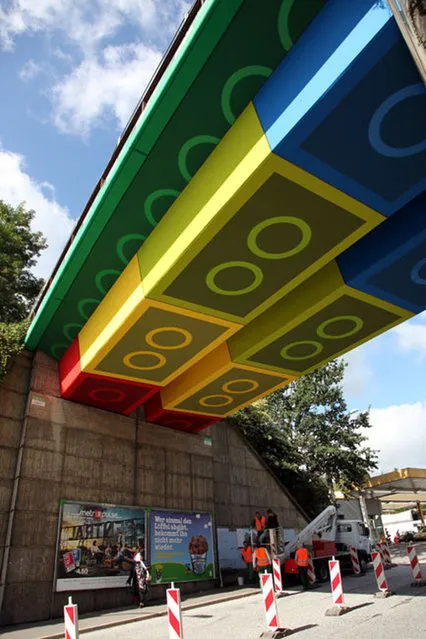
German graffiti artist, Martin Heuwold aka MEGX, has painted a bridge with an area of 250 square meters to look like it was made from LEGO bricks.

This realistic 3-dimensional LEGO bridge took Heuwold four weeks to complete, with the help of city officials.
Details
06 May 2015 08:08:00
The Bottled Smoke Artworks By Jim Dingilian

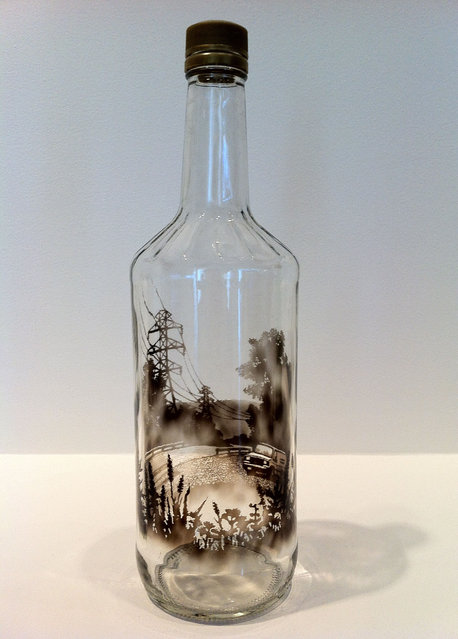
Jim Dingilian’s incredible bottle art is much more complex than the traditional building of ships inside of bottles. The detailed scenes trapped inside recycled glass bottles are made with just candle smoke. The artist burns the inside, then carefully etches away the residue, revealing imagery of trees, cars, and industrial landscapes within the confines of each bottle.
Details
27 Jan 2014 12:39:00


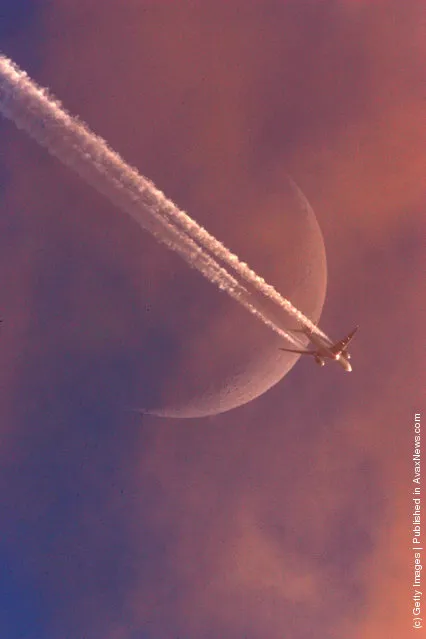
“Contrails (short for “condensation trails”) or vapour trails are artificial clouds that are the visible trails of condensed water vapour made by the exhaust of aircraft engines. As the hot exhaust gases cool in the surrounding air they may precipitate a cloud of microscopic water droplets or, if the air is cold enough, tiny ice crystals”. – Wikipedia

Photo: An airplane leaves a vapor trail as it flies in front of he moon on January 17, 2007 above Hanover, Germany. (Photo by Alexander Hassenstein/Getty Images)
Details
04 Jul 2011 10:39:00
Orpheus Pavement

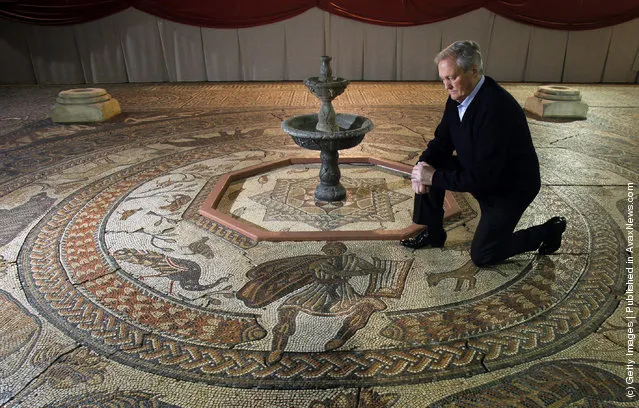
Bob Woodward looks at the reconstruction he built of the Orpheus Pavement at Prinknash Abbey on March 31, 2010 in Gloucester, England. The replica mosiac, made of more than one-and-a-half million pieces of stone is described as one of the most significant archaeological projects of recent times. (Photo by Matt Cardy/Getty Images)
Details
03 Oct 2011 09:24:00
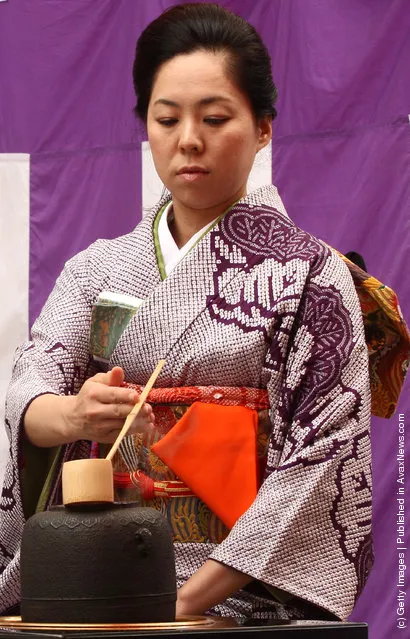
Tea ceremony in Kobe, Japan

A tea ceremony master use the Hishaku made by bamboo and makes a tea during the outdoor tea ceremony at Zuihoji Temple Park on November 3, 2011 in Kobe, Japan. The tea ceremony began in 1950 to commemorate the 14th century governor Toyotomi Hideyoshi and his tea master Sen no Rikyu, who are said to visit this area and enjoyed tea ceremonies. (Photo by Buddhika Weerasinghe/Getty Images)
Details
04 Nov 2011 13:34:00
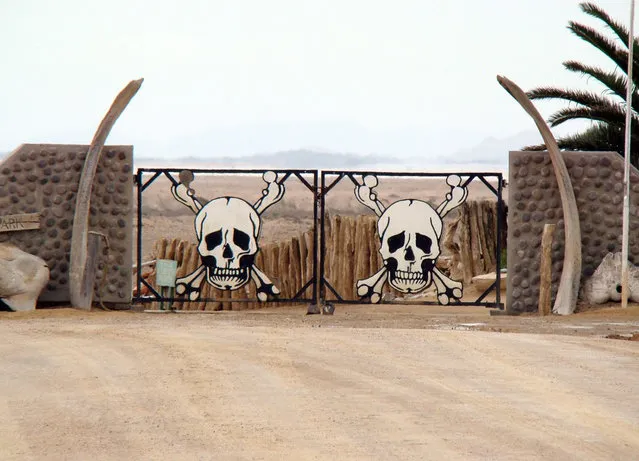
The Skeleton Coast, Namibia

The Skeleton Coast is the northern part of the Atlantic Ocean coast of Namibia and south of Angola from the Kunene River south to the Swakop River, although the name is sometimes used to describe the entire Namib Desert coast. The Bushmen of the Namibian interior called the region "The Land God Made in Anger", while Portuguese sailors once referred to it as "The Gates of Hell".
Details
23 Feb 2014 09:27:00


宇多田ヒカル (Utada Hikaru) –One Last Kiss. Utada Hikaru is a Japanese-American singer-songwriter and producer. By the end of the 2000s, Utada was deemed “the most influential artist of the decade” in the Japanese music landscape by The Japan Times. Utada's commercial success has made her one of Japan's top-selling recording artists of all time.
Details
21 Jun 2021 07:19:00
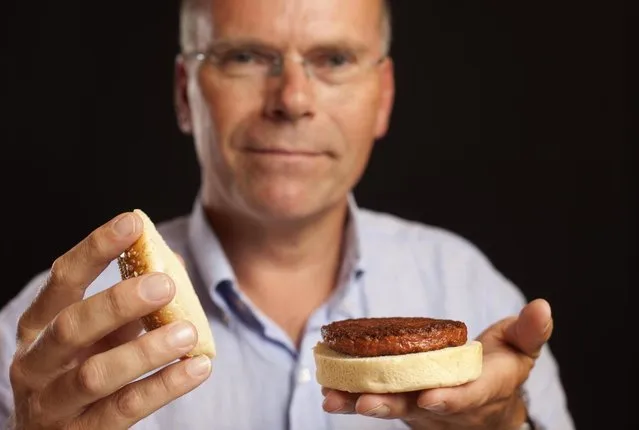
In this handout image provided by Ogilvy, a burger made from cultured beef, which has been developed by Professor Mark Post of Maastricht University in the Netherlands (pictured) is shown to the media during a press conference on August 5, 2013 in London, England. Cultured Beef could help solve the coming food crisis and combat climate change with commercial production of Cultured Beef beginning within ten to twenty years. (Photo by David Parry via Getty Images)

In this handout image provided by Ogilvy, a burger made from cultured beef, which has been developed by Professor Mark Post of Maastricht University in the Netherlands (pictured) is shown to the media during a press conference on August 5, 2013 in London, England. The in-vitro burger, cultured from cattle stem cells, the first example of what its creator says could provide an answer to global food shortages and help combat climate change, was fried in a pan and tasted by two volunteers. The burger is the result of years of research by Dutch scientist Mark Post, a vascular biologist at the University of Maastricht, who is working to show how meat grown in petri dishes might one day be a true alternative to meat from livestock.The meat in the burger has been made by knitting together around 20,000 strands of protein that has been cultured from cattle stem cells in Post's lab. (Photo by David Parry)

Details
06 Aug 2013 08:48:00