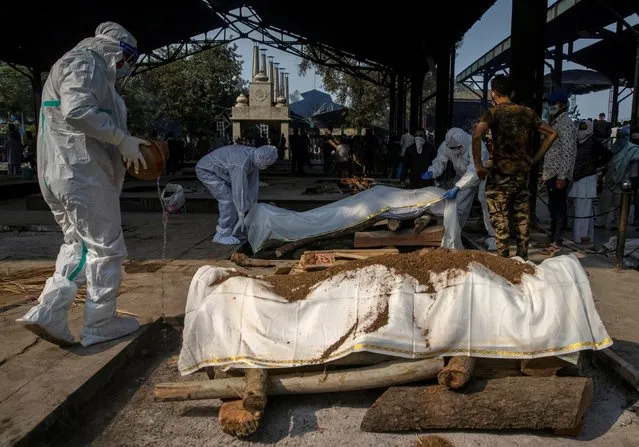
A relative performs rituals for a man who died of coronavirus disease (COVID-19), before his cremation at a crematorium in New Delhi, India, November 19, 2020. (Photo by Danish Siddiqui/Reuters)
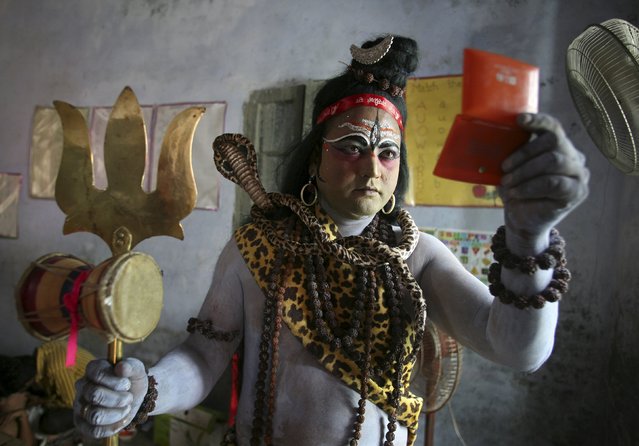
A man dressed as Hindu Lord Shiva looks into the mirror as he gets ready to take part in a religious procession on the eve of Janmashtami festival in Amritsar, India, September 4, 2015. The festival, which marks the birth anniversary of Lord Krishna, will be celebrated across India on Saturday. (Photo by Munish Sharma/Reuters)
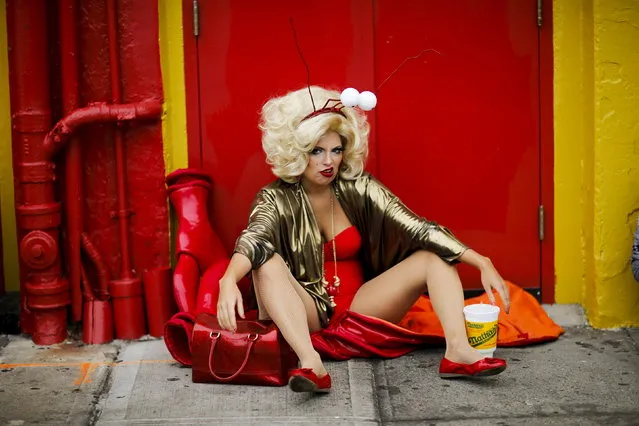
A participant rests while people take part in the Mermaid Parade at Coney Island, in Brooklyn, New York, June 20, 2015. The annual parade, founded in 1983, seeks to bring mythology to life for residents, create confidence in the district and to allow artistic self-expression in public, according to the parade's website. (Photo by Eduardo Munoz/Reuters)
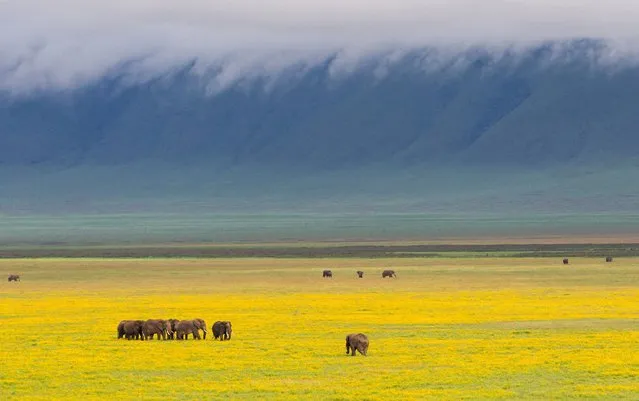
Ngorongoro Crater (Tanzania). At 610m deep and 260 sq km, this is the largest unflooded caldera in the world. A blue-green vision from above it's a haven for engangered wildlife and Maasai livestock. The crater was formed three million years ago when a giant volcano, which could have been as high as Kilimanjaro, exploded and collapsed. The caldera formed the concentric fractures in the crust cracked down to a magma reservoir deep underground. (Photo by John Bryant/Getty Images)
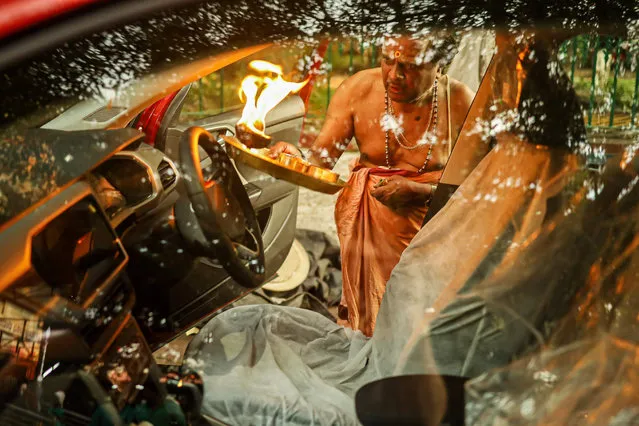
In this picture taken on August 1, 2022, a priest performs a ritual on a newly purchased car to seek blessings from the deities for safety outside a temple in Bangalore. (Photo by Sebastien Berger/AFP Photo)
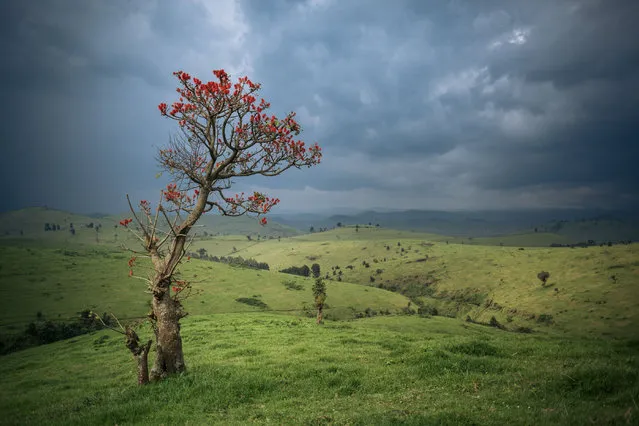
This photograph, taken on September 28, 2019, shows an Erythrina Abyssinica planted in a pasture on Ferme Espoir, owned by former President Joseph Kabila, in Masisi territory, northeast of the Democratic Republic of Congo. (Photo by Alexis Huguet/AFP Photo)
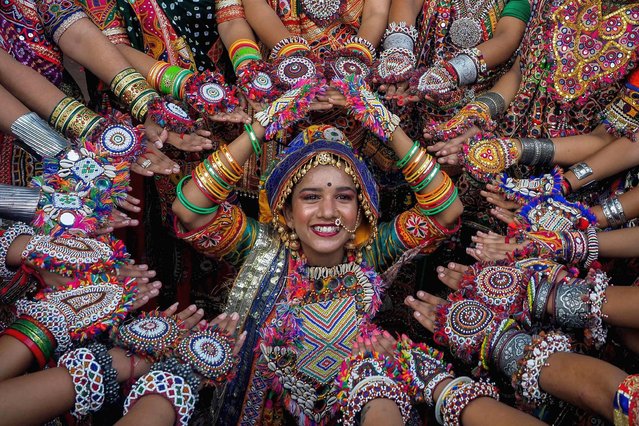
Participants from an art group wearing traditional dresses rehearse Garba dance ahead of the Navratri festival in Ahmedabad on September 20, 2022. (Photo by Sam Panthaky/AFP)