Loading...
Done
What the World Eats By Peter Menzel And Faith D'Aluisio Part 2

A stunning photographic collection featuring portraits of people from 30 countries and the food they eat in one day. In this fascinating study of people and their diets, 80 profiles are organized by the total number of calories each person puts away in a day. Featuring a Japanese sumo wrestler, a Massai herdswoman, world-renowned Spanish chef Ferran Adria, an American competitive eater, and more, these compulsively readable personal stories also include demographic particulars, including age, activity level, height, and weight. Essays from Harvard primatologist Richard Wrangham, journalist Michael Pollan, and others discuss the implications of our modern diets for our health and for the planet. This compelling blend of photography and investigative reportage expands our understanding of the complex relationships among individuals, culture, and food.
Details
02 May 2014 09:20:00
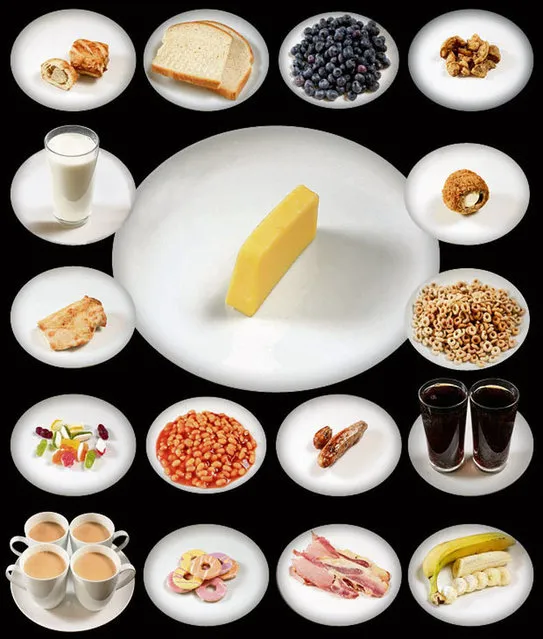
What 200 Calories Looks Like In Different Foods Part 3

Some foods have significantly more Calories than others but what does the difference actually look like. Each of the photographs below represents 200 Calories of the particular type of food; the images are sorted from low to high calorie density. When you consider that an entire plate of broccoli contains the same number of Calories as a small spoonful of peanut butter, you might think twice the next time you decide what to eat. According to the U.S. Department of Agriculture, the average adult needs to consume about 2000 – 2500 Calories to maintain their weight. In other words, you have a fixed amount of Calories to "spend" each day; based on the following pictures, which would you eat?


See Also: Ppart 1 _ Part 2
Details
02 Aug 2014 09:53:00


Models Miranda Kerr, Candice Swanepoel, Adriana Lima and Erin Heatherton attend The Reveal of the What Is s*xy? List celebrated by Victoria's Secret Bombshells at The Beverly on May 12, 2011 in Los Angeles, California. (Photo by Charley Gallay/Getty Images for Victoria's Secret)
Details
14 May 2011 14:00:00
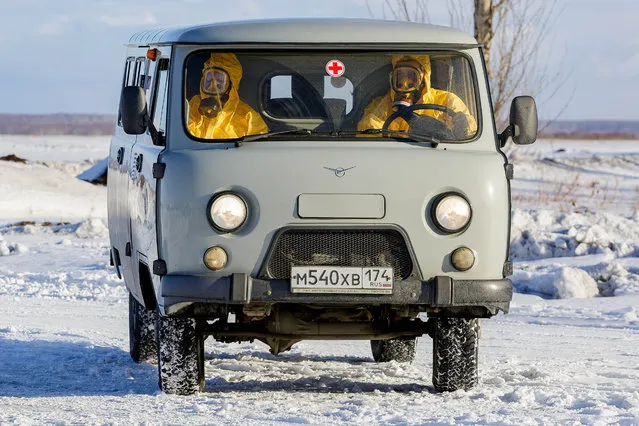
Chelyabinsk Airport employees take part in an exercise to evacuate aircraft passengers showing symptoms of the 2019-nCoV pneumonia-like coronavirus on February 5, 2020. (Photo by Nail Fattakhov/TASS)

Chelyabinsk Airport employees take part in an exercise to evacuate aircraft passengers showing symptoms of the 2019-nCoV pneumonia-like coronavirus on February 5, 2020. (Photo by Nail Fattakhov/TASS)
Details
05 Mar 2020 00:01:00
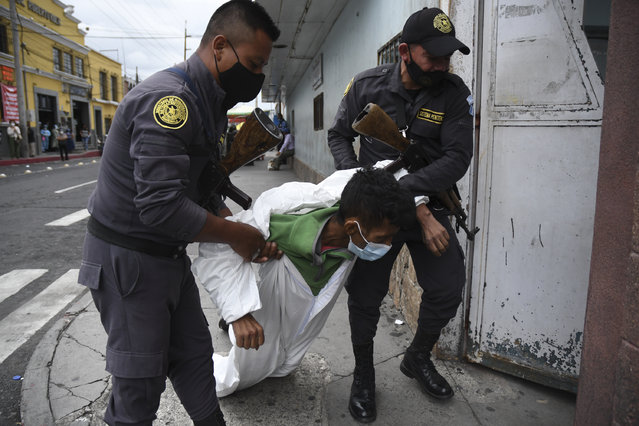
Penitentiary system guards carry an inmate with symptoms related to the novel coronavirus at the COVID-19 unit of San Juan de Dios hospital in Guatemala City on July 13, 2020. (Photo by Johan Ordonez/AFP Photo)

Penitentiary system guards carry an inmate with symptoms related to the novel coronavirus at the COVID-19 unit of San Juan de Dios hospital in Guatemala City on July 13, 2020. (Photo by Johan Ordonez/AFP Photo)
Details
16 Jul 2020 00:03:00
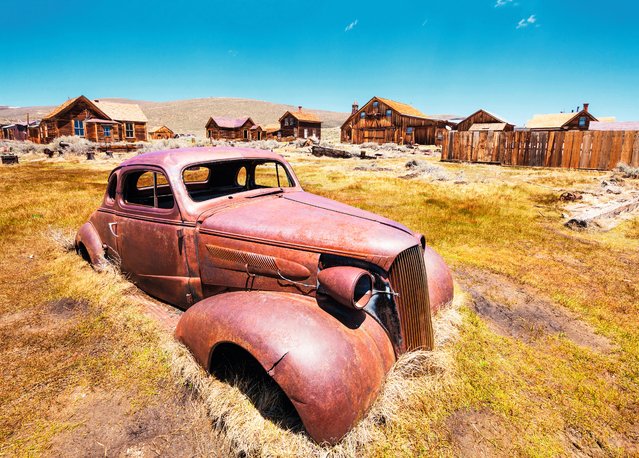
Bodie, Mono County, California. Gold was discovered at Bodie in 1859 (just after the initial California gold rush) and it went from mining camp to boomtown. Its decline began in 1880, when word spread of new boomtowns elsewhere. The Standard Consolidated Mine closed in 1913, and four years later the Bodie Railway was abandoned. By 1940 the population was down to 40. Today, Bodie is maintained in a state of arrested decay as a visitor attraction. (Photo by Alamy Stock Photo)

Kieron Connolly’s new book of photographs of more than 100 once-busy and often elegant buildings gives an idea of how the world might look if humankind disappeared. Here: Bodie, Mono County, California. Gold was discovered at Bodie in 1859 (just after the initial California gold rush) and it went from mining camp to boomtown. Its decline began in 1880, when word spread of new boomtowns elsewhere. The Standard Consolidated Mine closed in 1913, and four years later the Bodie Railway was abandoned. By 1940 the population was down to 40. Today, Bodie is maintained in a state of arrested decay as a visitor attraction. (Photo by Alamy Stock Photo)
Details
07 Sep 2016 09:50:00
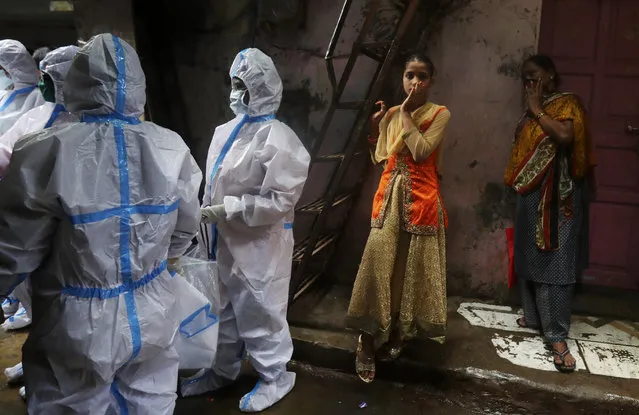
Health workers screen residents for COVID-19 symptoms at Dharavi, one of Asia's biggest slums, in Mumbai, India, Monday, August 3, 2020. India is the third hardest-hit country by the pandemic in the world after the United States and Brazil. (Photo by Rafiq Maqbool/AP Photo)

Health workers screen residents for COVID-19 symptoms at Dharavi, one of Asia's biggest slums, in Mumbai, India, Monday, August 3, 2020. India is the third hardest-hit country by the pandemic in the world after the United States and Brazil. (Photo by Rafiq Maqbool/AP Photo)
Details
05 Aug 2020 00:07:00
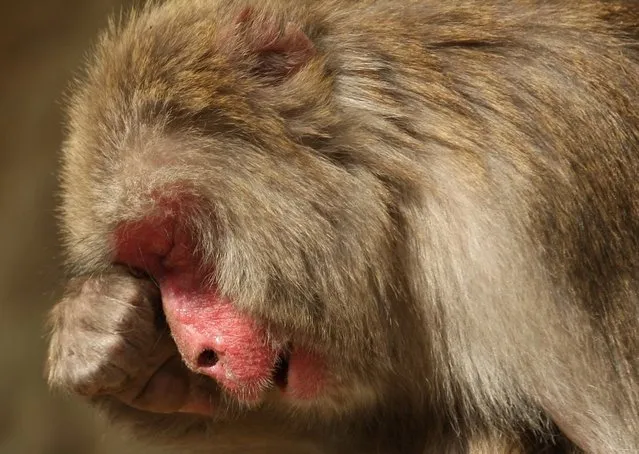
A 20-year-old Japanese macaque monkey named Monday scratches her eyes while suffering an allergy to pollen from the cedar tree at Awajishima Monkey Centre on March 17, 2013 in Sumoto, Japan. Many monkeys are suffering the effects of hay fever at this time of the year, with the typical symptoms being the same as with humans.  According to Awajishima Monkey center this year hay fever is higher than last year, the pollen season is from February to April.  (Photo by Buddhika Weerasinghe)

A 20-year-old Japanese macaque monkey named Monday scratches her eyes while suffering an allergy to pollen from the cedar tree at Awajishima Monkey Centre on March 17, 2013 in Sumoto, Japan. Many monkeys are suffering the effects of hay fever at this time of the year, with the typical symptoms being the same as with humans. According to Awajishima Monkey center this year hay fever is higher than last year, the pollen season is from February to April. (Photo by Buddhika Weerasinghe)
Details
18 Mar 2013 09:48:00