Loading...
Done
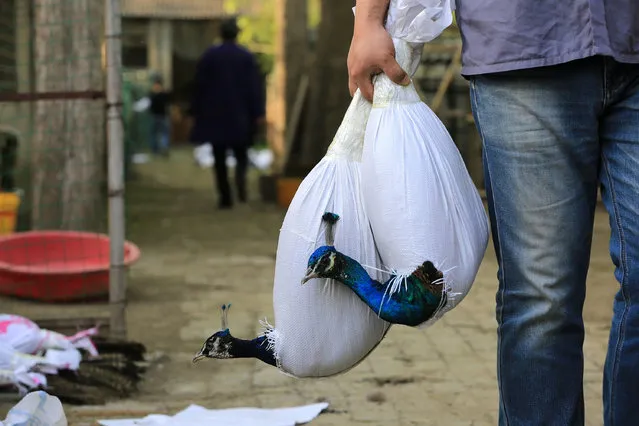
Peacocks are seen covered in bags as a protection of their plume during transportation, in Xiangyang, Hubei province, China April 12, 2017. (Photo by Reuters/Stringer)

Peacocks are seen covered in bags as a protection of their plume during transportation, in Xiangyang, Hubei province, China April 12, 2017. (Photo by Reuters/Stringer)
Details
18 Apr 2017 08:55:00
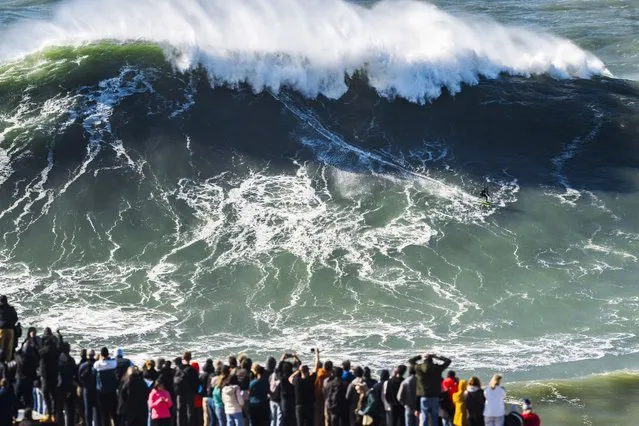
German surfer Sebastian Steudtner rides a big wave during a free surfing session at Praia do Norte, in Nazare, Portugal, 05 November 2023. The Nazare surfing spot in Portugal is one of the world's biggest wave spots in winter time. (Photo by Jean-Christophe Bott/EPA)

German surfer Sebastian Steudtner rides a big wave during a free surfing session at Praia do Norte, in Nazare, Portugal, 05 November 2023. The Nazare surfing spot in Portugal is one of the world's biggest wave spots in winter time. (Photo by Jean-Christophe Bott/EPA)
Details
08 Jan 2024 19:37:00
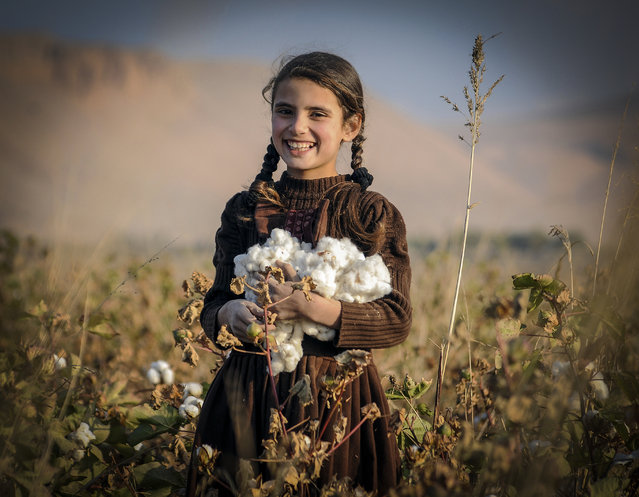
An Afghan girl harvests Cotton buds at a field on the outskirts of Balkh province, Afghanistan, November 15, 2014. (Photo by Sayed Mustafa/EPA)

An Afghan girl harvests Cotton buds at a field on the outskirts of Balkh province, Afghanistan, November 15, 2014. (Photo by Sayed Mustafa/EPA)
Details
22 Nov 2014 13:08:00


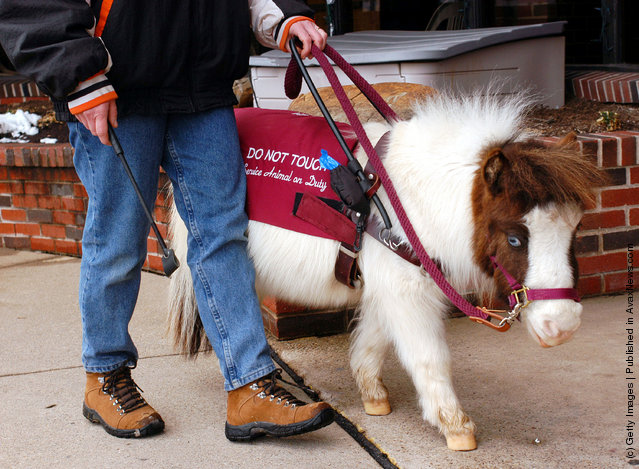
“A guide horse is an experimental mobility option for blind people who do not wish to or cannot use a guide dog. They are provided by The Guide Horse Foundation, founded in 1999 to provide miniature horses as assistance animals to blind users living in rural environments”. – Wikipedia

Photo: Shari Bernstiel, of Lansdale, Pennsylvania is helped along the sidewalk by Tonto, her guide horse March 19, 2004 in Lansdale, Pennsylvania. Tonto, a minature horse who went through one year of training, acts as Sheri's seeing eye dog and is one of three working guide horses in the United States. (Photo by William Thomas Cain/Getty Images)
Details
20 Jun 2011 14:05:00
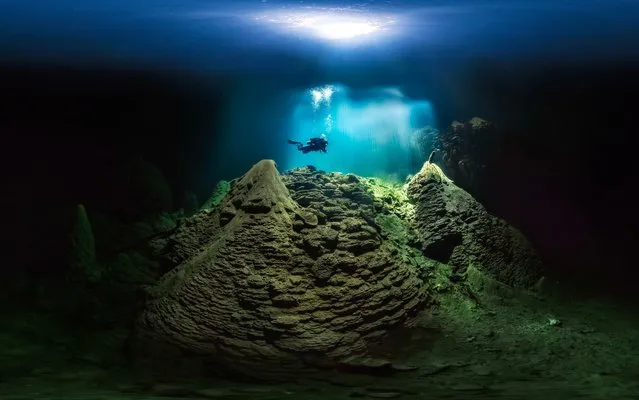
Cave Diver, Anhumas Abyss, Bonito, Brazil: The Anhumas Abyss is an underground cavern with a crystal-clear lake below, more than 260 feet (79 m) deep. A visitor must enter through a narrow opening at the top of the chamber and rappel into the cave. Snorkeling and scuba diving in the lake reveal amazing scenery. Distinctive, conical limestone stalagmites and stalactites occupy the lake and the surrounding area, some reaching 65 feet (20 m) high. “One must rappel about 235 feet (72 m) to get down into this deep lake. The photo was taken at a depth of 50 feet (15 m). It was a challenge to create the image because of the high contrast, plus the diver could not see into the darkness, making communication impossible”. (Photo by Marcio Cabral/Nature’s Best Photography Awards 2017)

Cave Diver, Anhumas Abyss, Bonito, Brazil: The Anhumas Abyss is an underground cavern with a crystal-clear lake below, more than 260 feet (79 m) deep. A visitor must enter through a narrow opening at the top of the chamber and rappel into the cave. Snorkeling and scuba diving in the lake reveal amazing scenery. Distinctive, conical limestone stalagmites and stalactites occupy the lake and the surrounding area, some reaching 65 feet (20 m) high. (Photo by Marcio Cabral/Nature’s Best Photography Awards 2017)
Details
26 Oct 2017 08:10:00
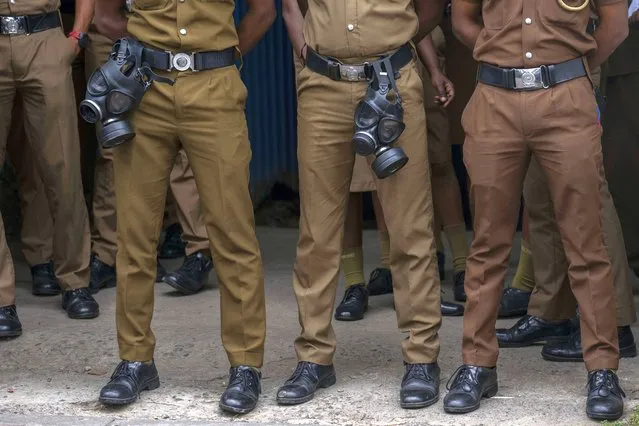
Policemen stand guard during a protest in Colombo, Sri Lanka, Monday, July 11, 2022. (Photo by Rafiq Maqbool/AP Photo)

Policemen stand guard during a protest in Colombo, Sri Lanka, Monday, July 11, 2022. (Photo by Rafiq Maqbool/AP Photo)
Details
15 Jul 2022 05:20:00


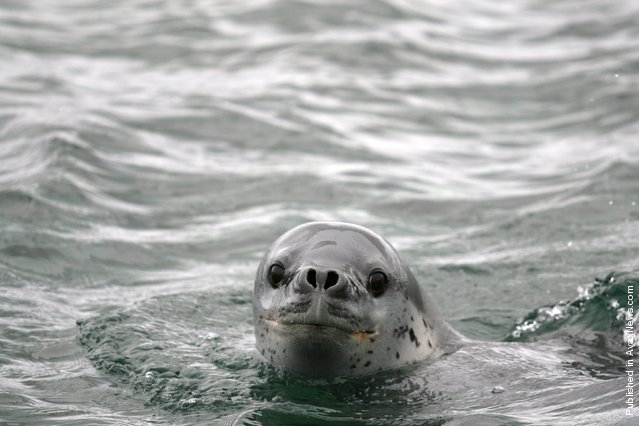
“The leopard seal (Hydrurga leptonyx), also referred to as the sea leopard, is the second largest species of seal in the Antarctic (after the southern elephant seal). It is most common in the southern hemisphere along the coast of Antarctica and on most sub-Antarctic islands, but can also be found on the coasts of southern Australia, Tasmania, South Africa, New Zealand, Lord Howe Island, Tierra del Fuego, the Cook Islands, and the Atlantic coast of South America. It can live twenty-six years, possibly more. Orcas and large sharks are the only natural predators of leopard seals”. – Wikipedia

Photo by: Gilad Rom; Source: Flickr
Details
13 Nov 2011 11:24:00
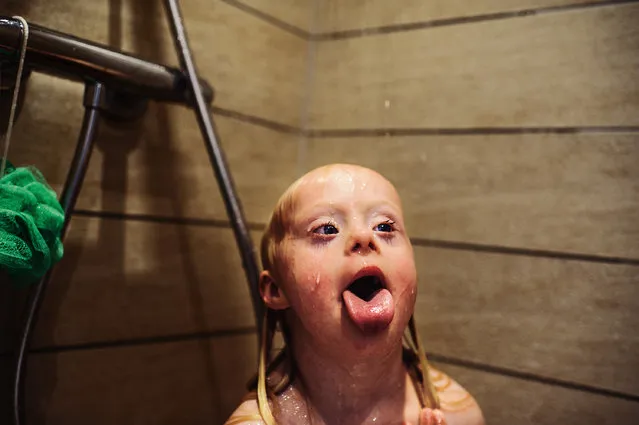
“One in Eight Hundred” by Mario Wezel, from Germany, is the winner of the “People” category. The title refers to the odds given to Martin and Karina at their prenatal screening before their daughter, Emmy, was born. The five-year-old from Denmark has Down's Syndrome. (Photo by Mario Wezel/Sony World Photography Awards)

“One in Eight Hundred” by Mario Wezel, from Germany, is the winner of the “People” category. The title refers to the odds given to Martin and Karina at their prenatal screening before their daughter, Emmy, was born. The five-year-old from Denmark has Down's Syndrome. (Photo by Mario Wezel/Sony World Photography Awards)
Details
02 May 2014 10:53:00