Loading...
Done
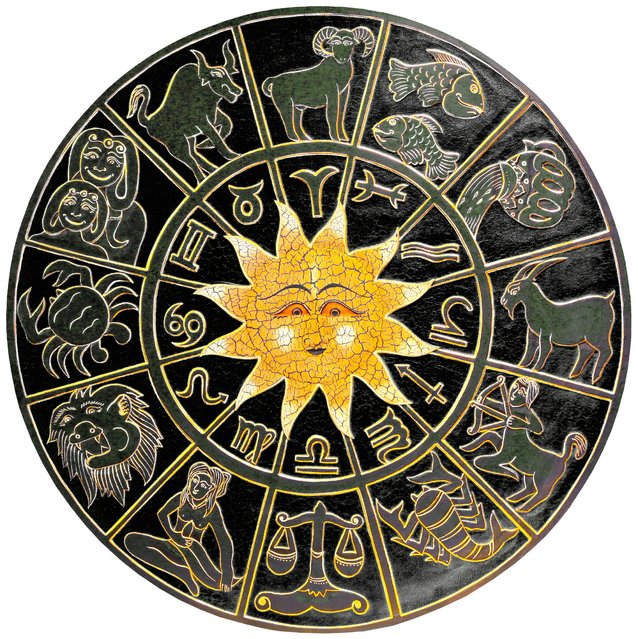
Black horoscope wheel. (Photo by Toma Petrovic)

Find out what 2014 has in store for you and your cash. Provided by Russell Grant Horoscopes. (Photo by Toma Petrovic)


Details
24 Mar 2014 08:58:00
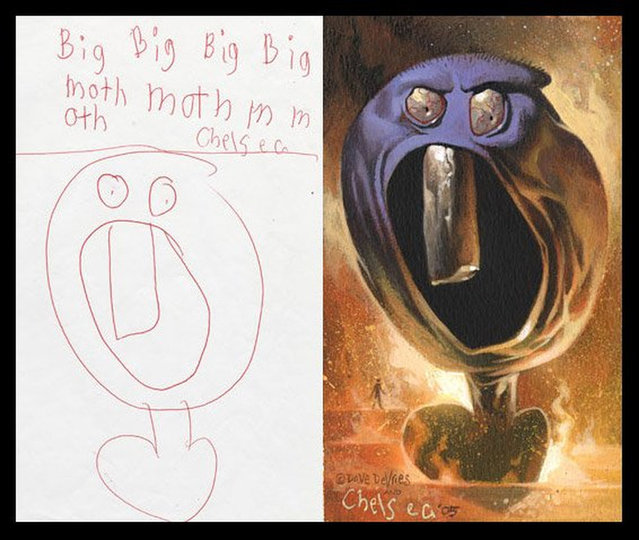
Children’s Drawings Transformed by Dave Devries

Dave Devries applied his skills to transform children’s drawings to what they might try to express.
Details
19 Sep 2012 12:53:00
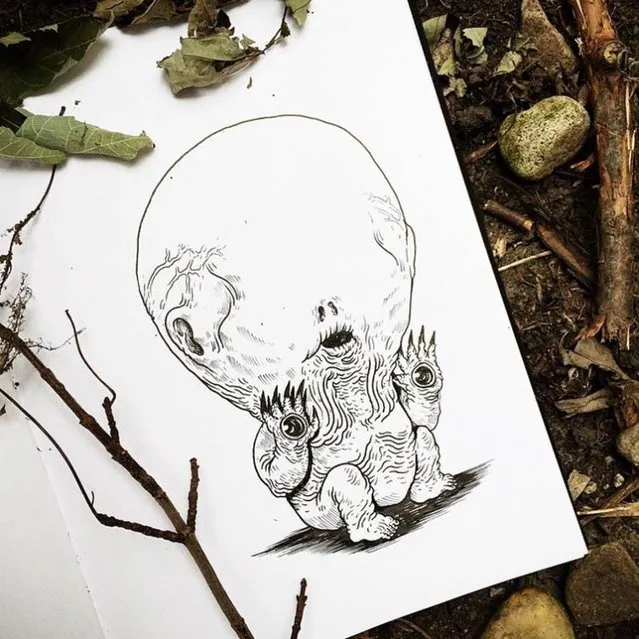
Alex Solis By Baby Terrors

Chicago-based illustrator Alex Solis created an ink drawing a day with a bizarre theme – he re-imagined what some of the most popular horror characters ever might look like as cute little (murderous) babies.
Details
21 May 2015 16:38:00
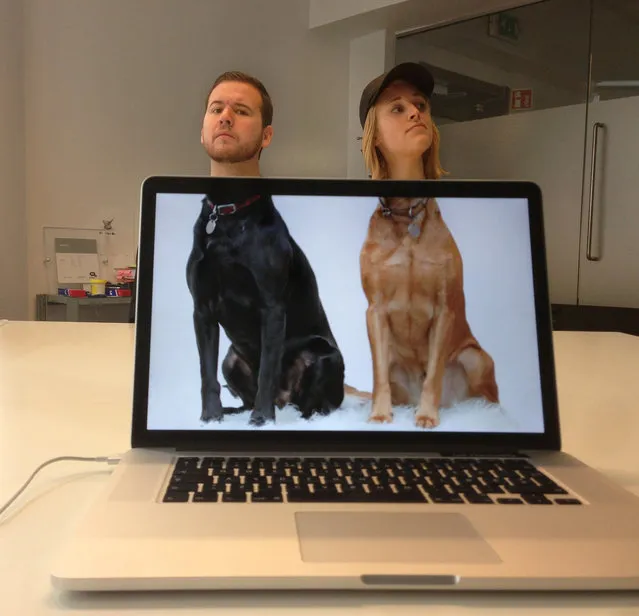
Desk Safari By Mike Whiteside. Part2

Desk Safari is a new office phenomenon where you align your coworker’s head with an animal body on your desktop and take a photo. This is especially amusing if your coworker isn’t aware of what’s going on.
Details
26 Jul 2013 12:44:00
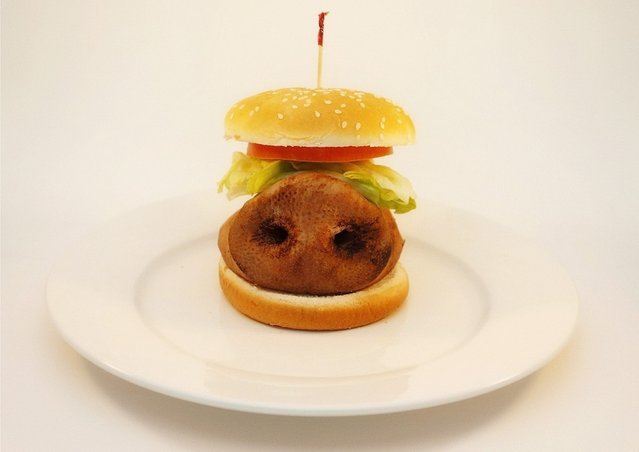
Mystery Meat By Peter Augustus

Texan-born photographer Peter Augustus has challenged our notions of what exactly is in mystery meat with a series of photographs showing the ingredient in its original form.
Details
13 Aug 2014 09:09:00
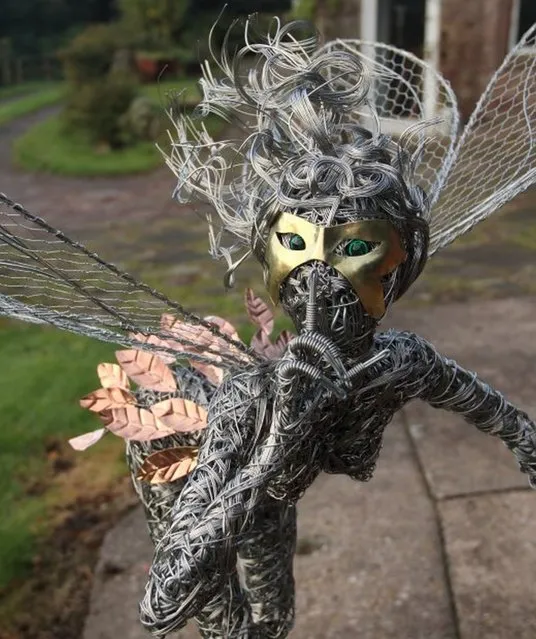
Fantasy Wire Fairies Sculptures By Robin Wight

Sculptor Robin Wight couldn’t help but remember this phenomenon after noticing a distortion in a photo he took a few years ago. Inspired, he began creating what has become an incredible series of fairy wire sculptures.
Details
28 Sep 2014 09:49:00
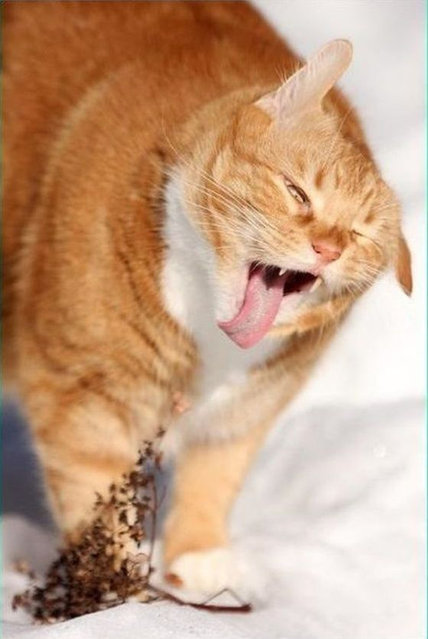
A Cat Didn't Like It

See What Happens when This Cat Enjoys a Less Than Tasty Meal
Details
01 Oct 2013 11:11:00
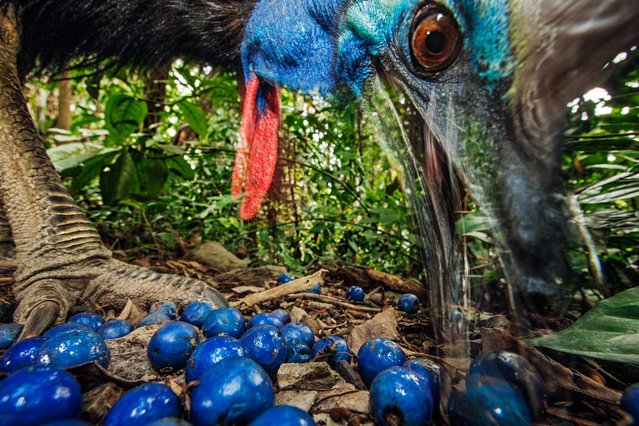
“Cassowaries are large, flightless birds related to emus and (more distantly) to ostriches, rheas, and kiwis”, writes Olivia Judson in the September issue of National Geographic magazine. (Photo by Christian Ziegler/National Geographic)

“Cassowaries are large, flightless birds related to emus and (more distantly) to ostriches, rheas, and kiwis”, writes Olivia Judson in the September issue of National Geographic magazine. How large? People-size: Adult males stand well over five foot five and top 110 pounds. Females are even taller, and can weigh more than 160 pounds. Dangerous when roused, they’re shy and peaceable when left alone. But even birds this big and tough are prey to habitat loss. The dense New Guinea and Australia rain forests where they live have dwindled. Today cassowaries might number 1,500 to 2,000. And because they help shape those same forests – by moving seeds from one place to another – “if they vanish”, Judson writes, “the structure of the forest would gradually change” too. (Photo by Christian Ziegler/National Geographic)
Details
06 Jan 2014 12:21:00