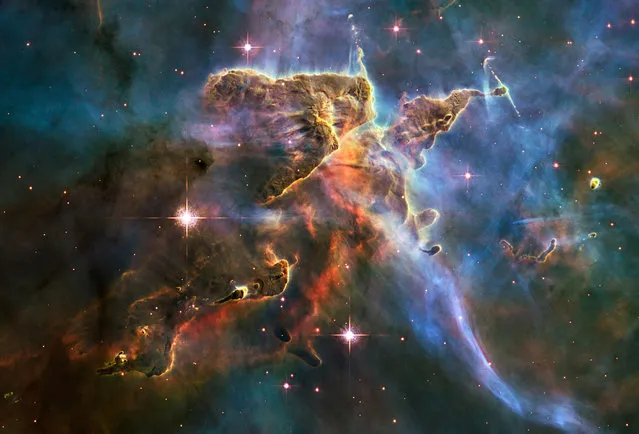
The tempestuous stellar nursery called the Carina Nebula, located 7,500 light-years away from Earth in the southern constellation Carina. (Photo by Reuters/NASA)
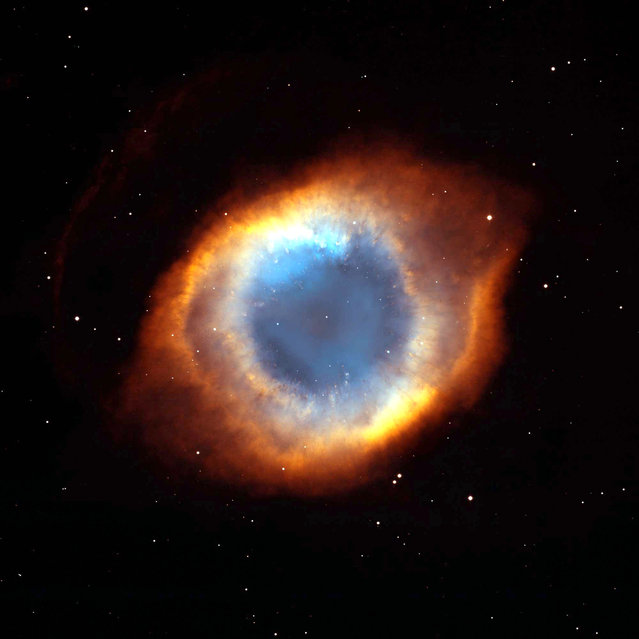
A coil-shaped Helix Nebula showing a fine web of filamentary “bicycle-spoke” features embedded in the colorful red and blue ring of gas. At 650 light-years away, the Helix is one of the nearest planetary nebulae to Earth. A planetary nebula is the glowing gas around a dying, Sun-like star. (Photo by Reuters/NASA)
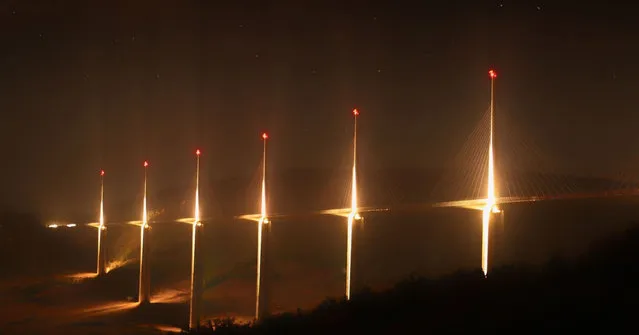
The Millau Viaduct is a cable-stayed bridge that spans the valley of the River Tarn near Millau in southern France. Designed by the French structural engineer Michel Virlogeux and British architect Norman Foster, it is the tallest bridge in the world with one mast's summit at 343.0 metres (1,125 ft) above the base of the structure.
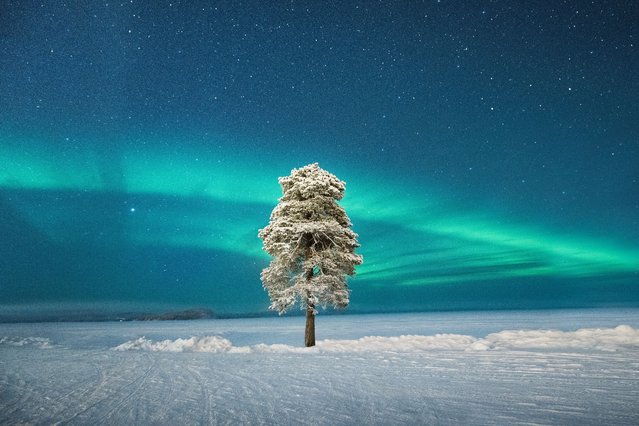
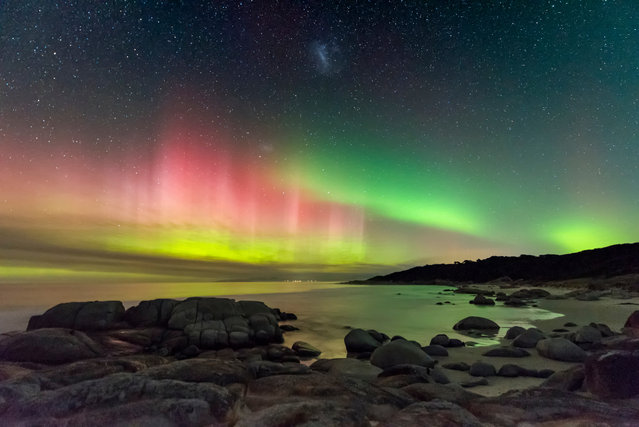
Aurorae category runner-up: Lone Tree under a Scandinavian Aurora by Tom Archer (UK). The photographer decided to explore the area around the hotel on a very crisp -35C evening in Finnish Lapland. When he found this tree, he decided to wait for the misty conditions to change and could not believe his luck when the sky cleared and the aurora came out in the perfect spot. Archer spent about an hour photographing it before his camera started to lock up because of the harsh conditions, but by then he was happy to call it a night. (Photo by Tom Archer/2020 Astronomy Photographer of the Year)
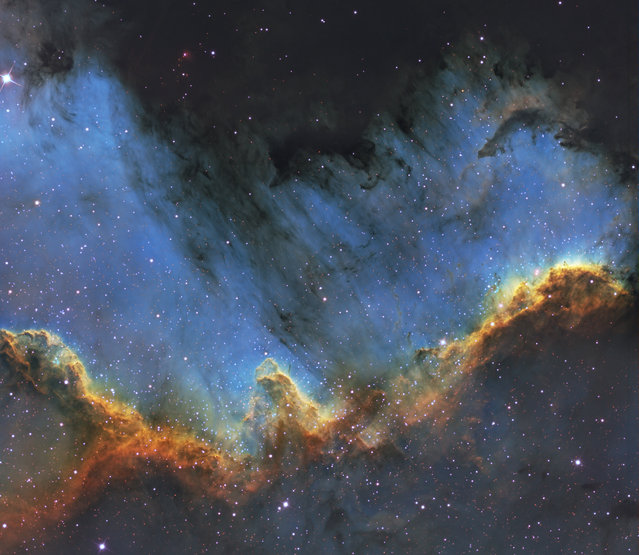
Amateur astronomer Bill Snyder has been involved with astrophotography since 2007. Photo: The Cygnus Wall is in the southern area of NGC7000 also known as the North America Nebula. It is approximately 1800 light years from Earth, and is in the constellation Cygnus. The Wall is an energized shock front and contains the most concentrated star formations in the nebula. The size of the North America Nebula is about 4 full moons. (Photo and caption by Bill Snyder)