Loading...
Done


Japanese toy maker Takara Tomy's world's smallest humanoid robot “i-Sobot” is displayed during the Toy Forum 2007 on January 23, 2007 in Tokyo, Japan. The 165mm height robot is able to walk, play the drums and keep its balance. (Photo by Koichi Kamoshida/Getty Images)
Details
19 Apr 2011 13:01:00


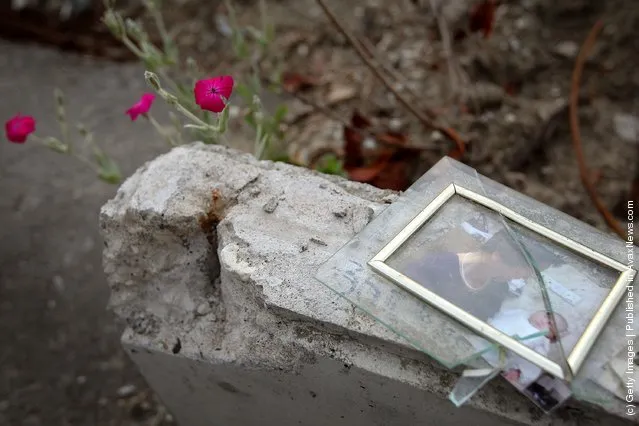
A broken picture frame is left in the tsunami-hit Arahama area, three months and two days after the magnitude 9.0 earthquake and subsequent tsunami on June 13, 2011 in Sendai, Miyagi, Japan. Japanese government has been struggling to deal with the earthquake and tsunami as well as the troubled Fukushima Daiichi Nuclear Power Plant. The fear on outbreak of virus infectious disease are mounting due to the humid rainy season on the corner and delay of the clearing the debris. (Photo by Kiyoshi Ota/Getty Images)
Details
14 Jun 2011 09:23:00
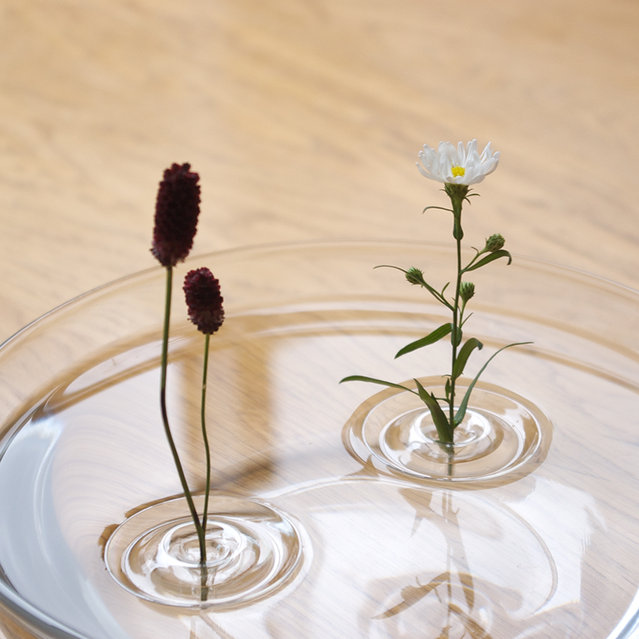
Floating Vases By ooDesign

This vase is simple as a piece of cake but it’s so special at the same time – it’s Floating Ripple vase by ooDesign. It’s a piece manufactured in glass that allows any transparent vase to look like ripples in water.
Long-stemmed flowers float vertically in the water and according to the movement of the air, they change their position within the container – so, what can I say? Japanese designers continue to create genially simple and natural-looking philosophic pieces that inspire everybody.
Details
14 Jun 2015 08:58:00


Rina Sawayama – XS (Official Video). Rina Sawayama is a Japanese-British singer, songwriter and model. Born in Niigata, she was raised from a young age in London, where she currently resides. Her debut extended play, Rina, was released in 2017, before her debut studio album, Sawayama, was released on 17 April 2020.
Details
28 Jul 2020 00:03:00
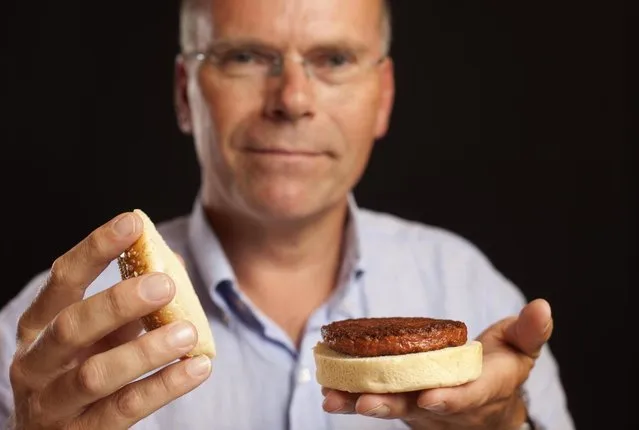
In this handout image provided by Ogilvy, a burger made from cultured beef, which has been developed by Professor Mark Post of Maastricht University in the Netherlands (pictured) is shown to the media during a press conference on August 5, 2013 in London, England. Cultured Beef could help solve the coming food crisis and combat climate change with commercial production of Cultured Beef beginning within ten to twenty years. (Photo by David Parry via Getty Images)

In this handout image provided by Ogilvy, a burger made from cultured beef, which has been developed by Professor Mark Post of Maastricht University in the Netherlands (pictured) is shown to the media during a press conference on August 5, 2013 in London, England. The in-vitro burger, cultured from cattle stem cells, the first example of what its creator says could provide an answer to global food shortages and help combat climate change, was fried in a pan and tasted by two volunteers. The burger is the result of years of research by Dutch scientist Mark Post, a vascular biologist at the University of Maastricht, who is working to show how meat grown in petri dishes might one day be a true alternative to meat from livestock.The meat in the burger has been made by knitting together around 20,000 strands of protein that has been cultured from cattle stem cells in Post's lab. (Photo by David Parry)
Details
06 Aug 2013 08:48:00
A performer wearing a lion mask performs the Ise Daikagura lion dance at the remote village of Yamanawa on February 08, 2021 in Ryuo, Japan. Ise Daikagura is a group of traditional Lion Dance performers who pray in front of farmers houses and businesses for good grain harvests and disease-free lives. Performers play sacred music using drums and flutes with two lion mask dancers. A lion mask is considered a symbol of God, who enters the house and performs in front of the Shinto God, a statue placed inside the house, mostly in the kitchen. These prayers are called “Kamodo Barai”. After the prayers, they are gifted with money, rice, sake and Japanese sweets from the householders. A group can travel for more than one hundred days to thousands of households and businesses throughout rural-villages in western Japan, and pray to those who are unable to visit the country’s most sacred shrine, the Grand Ise Shrine in Mie Prefecture. The group started its performance in the Edo era between 1603 to 1868 according to Japanese history. The Japanese government designated it as an important folk cultural national property in 1981. (Photo by Buddhika Weerasinghe/Getty Images)

A performer wearing a lion mask performs the Ise Daikagura lion dance at the remote village of Yamanawa on February 08, 2021 in Ryuo, Japan. Ise Daikagura is a group of traditional Lion Dance performers who pray in front of farmers houses and businesses for good grain harvests and disease-free lives. (Photo by Buddhika Weerasinghe/Getty Images)
Details
18 Feb 2021 09:27:00
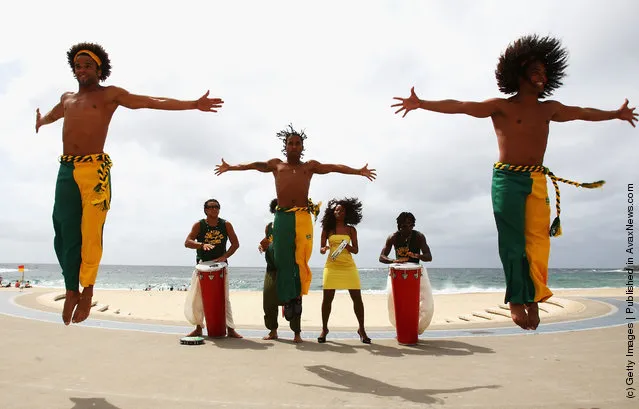
Warriors Of Brazil: Capoeira Spectacular

“Capoeira is a Brazilian art form that combines elements of martial arts, sports, and music. It was created in Brazil mainly by descendants of African slaves with Brazilian native influences, probably beginning in the 16th century. It is known by quick and complex moves, using mainly power kicks and quick leg sweeps, with some ground and aerial acrobatics, knee strikes, take-downs, elbow strikes, punches and headbutts. The word capoeira comes from Tupi, referring to the areas of low vegetation in the Brazilian interior”. – Wikipedia

Photo: The Warriors of Brazil perform on Coogee Beach on November 23, 2009 in Sydney, Australia. The Warriors of Brazil show is a spectacular stage show which combines the extraordinary martial art of Capoeira with the uplifting music and dance of Carnival. (Photo by Ryan Pierse/Getty Images)

Details
19 Sep 2011 14:13:00


“Takeru Kobayashi (born March 15, 1978) is a Japanese competitive eater. He held the world record for hot dog eating for nearly six years, and holds several other eating records, including four Guinness Records for hot dogs, meatballs, hamburgers, and pasta”. – Wikipedia

Photo: Takeru Kobayashi challeges 2011 Nathan's Famous Hot Dog Eating Competition contestants via satellite at 230 Fifth Avenue on July 4, 2011 in New York City. (Photo by Cindy Ord/Getty Images)
Details
05 Jul 2011 11:36:00