Loading...
Done
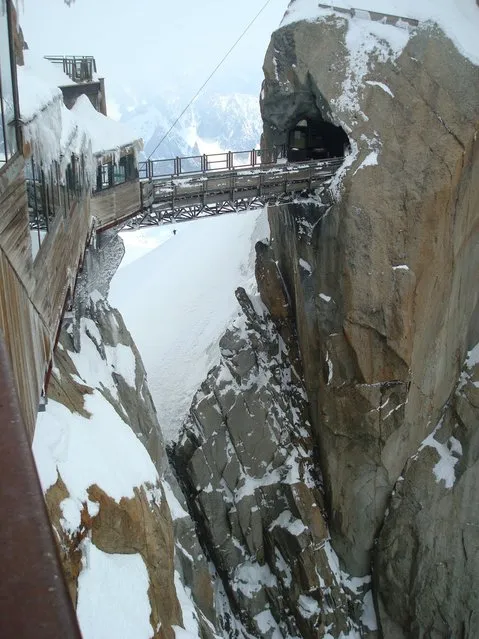
Aiguille du Midi In The French Alps

The name “Aiguille du Midi” translates literally as “Needle of the Noon” or “Needle of the South”. It gets its name from its tapered form and from its position when viewed from Chamonix: it approximately indicates noon when the sun passes over its summit.
Details
27 Dec 2013 10:52:00
Village Gasadalur

Gásadalur is located on the west-side of Vágar, Faroe Islands, and enjoys a panoramic view over the island of Mykines.
Details
27 Jun 2012 09:36:00


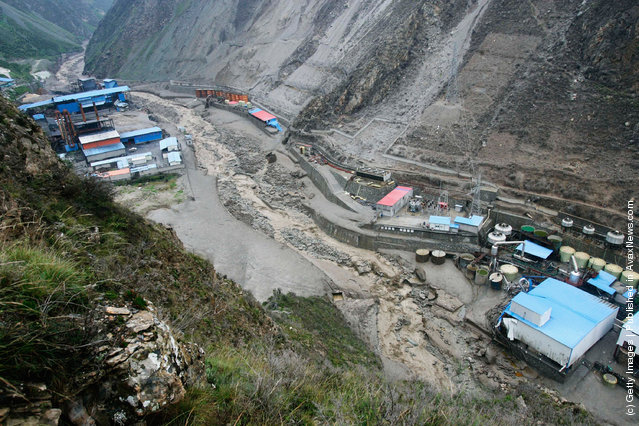
A general view of the landslide-hit Miancu Village on July 3, 2011 in Maixian County, Sichuan Province of China. Eight people are still missing after a dormitory building of a chemical plant was hit by a rain-triggered mudslide in Maoxian County on Sunday morning. Rescue efforts are underway. (Photo by ChinaFotoPress/Getty Images)
Details
04 Jul 2011 10:17:00


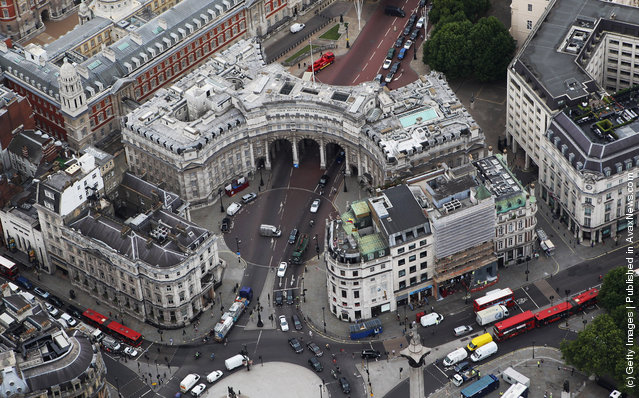
An Aerial view Admiralty Arch at the top of The Mall on July 26, 2011 in London, England. (Photo by Tom Shaw/Getty Images)
Details
28 Jul 2011 11:33:00
Blankets cover the bodies of a woman (right) and a man (left background) hit by a northbound Penn Central train (background) as they waited with a crowd at Pennsylvania Railroad station in Elizabeth, N.J. on June 8, 1968 to view the southbound train carrying the body of Sen. Robert F. Kennedy to Washington. The woman was identified as Mrs. Antoinette Severini, 54, and the man, John Curia (age unavailable), both of Elizabeth. (Photo by AP Photo)

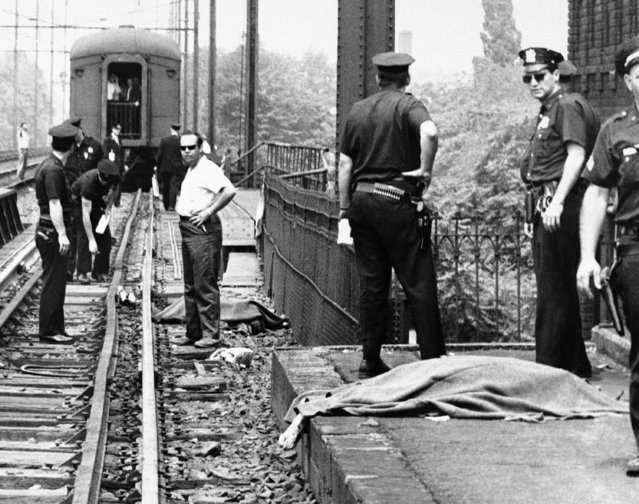
Blankets cover the bodies of a woman (right) and a man (left background) hit by a northbound Penn Central train (background) as they waited with a crowd at Pennsylvania Railroad station in Elizabeth, N.J. on June 8, 1968 to view the southbound train carrying the body of Sen. Robert F. Kennedy to Washington. The woman was identified as Mrs. Antoinette Severini, 54, and the man, John Curia (age unavailable), both of Elizabeth. (Photo by AP Photo)
Details
09 Dec 2017 02:15:00
Britain's Queen Elizabeth, second left, sits next to fashion editor Anna Wintour, third left, and Caroline Rush, chief executive of the British Fashion Council (BFC) as they view Richard Quinn's runway show before presenting him with the inaugural Queen Elizabeth II Award for British Design, as she visits London Fashion Week's BFC Show Space in central London, Tuesday, February 20, 2018. (Photo by Yui Mok/Pool photo via AP Photo)

Britain's Queen Elizabeth, second left, sits next to fashion editor Anna Wintour, third left, and Caroline Rush, chief executive of the British Fashion Council (BFC) as they view Richard Quinn's runway show before presenting him with the inaugural Queen Elizabeth II Award for British Design, as she visits London Fashion Week's BFC Show Space in central London, Tuesday, February 20, 2018. (Photo by Yui Mok/Pool photo via AP Photo)
Details
22 Feb 2018 08:32:00
An aerial view of the new Panama Canal expansion project on the Atlantic side of the Panama Canal during an organized media tour by Italy's Salini Impregilo, one of the main sub contractors of the Panama Canal Expansion project, in Panama City May 11, 2016. The newly expanded Panama Canal will be inaugurated on June 26, 2016. (Photo by Carlos Jasso/Reuters)

An aerial view of the new Panama Canal expansion project on the Atlantic side of the Panama Canal during an organized media tour by Italy's Salini Impregilo, one of the main sub contractors of the Panama Canal Expansion project, in Panama City May 11, 2016. The newly expanded Panama Canal will be inaugurated on June 26, 2016. (Photo by Carlos Jasso/Reuters)
Details
13 May 2016 11:54:00
Developed for the British American Ambulance Corps, this new motorcycle ambulance is capable of speeding wounded soldiers 90 miles an hour from the front lines to field hospitals. Its springs are synchronized with the patient?s heartbeat to avoid increasing fever when traveling over various Terrain. Viewing it in New York  August 27, 1941, are left to right: constable Herbert Scott of England, driver; William E. Detlor, whose firm developed the vehicle; M. W. Stand, inspector-general of Civilian Defense, and Maj. Edward Riekert, also. (Photo by AP Photo)

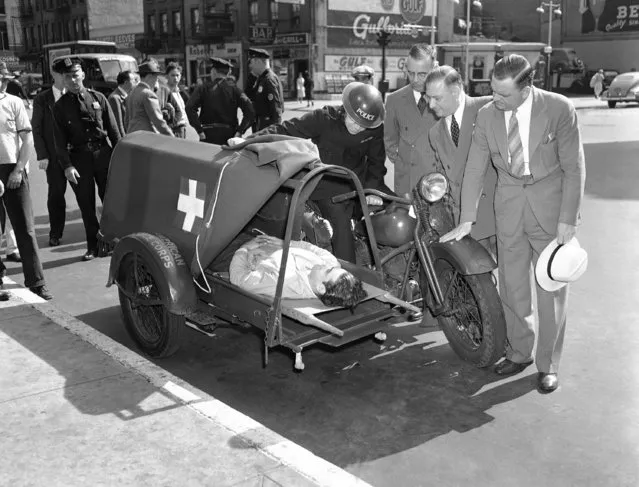
Developed for the British American Ambulance Corps, this new motorcycle ambulance is capable of speeding wounded soldiers 90 miles an hour from the front lines to field hospitals. Its springs are synchronized with the patient's heartbeat to avoid increasing fever when traveling over various Terrain. Viewing it in New York August 27, 1941, are left to right: constable Herbert Scott of England, driver; William E. Detlor, whose firm developed the vehicle; M. W. Stand, inspector-general of Civilian Defense, and Maj. Edward Riekert, also. (Photo by AP Photo)
Details
28 Aug 2015 11:51:00