Loading...
Done
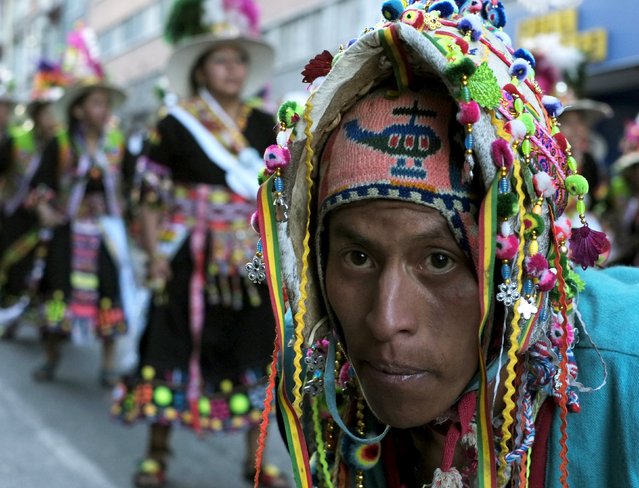
Thinku dancers perform during the "Senor del Gran Poder" (Lord of Great Power) parade in La Paz, May 30, 2015. According to local media, thousands of dancers participated in this annual pagan religious celebration. REUTERS/David Mercado

Thinku dancers perform during the "Senor del Gran Poder" (Lord of Great Power) parade in La Paz, May 30, 2015. According to local media, thousands of dancers participated in this annual pagan religious celebration. REUTERS/David Mercado
Details
06 Jun 2015 12:04:00
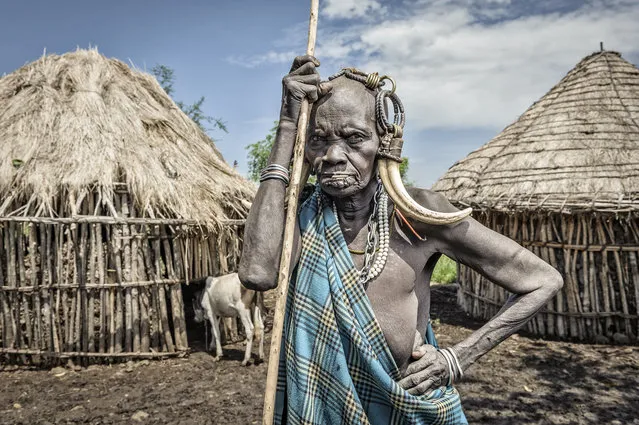
“Old Mursi woman”. Old woman by the huts of her village. Location: Marenke, Omo valley, Ethiopia. (Photo and caption by Jorge Fernandez/National Geographic Traveler Photo Contest)

“Old Mursi woman”. Old woman by the huts of her village. Location: Marenke, Omo valley, Ethiopia. (Photo and caption by Jorge Fernandez/National Geographic Traveler Photo Contest)

ATTENTION! All pictures are presented in high resolution. To see Hi-Res images – just TWICE click on any picture. In other words, click small picture – opens the BIG picture. Click BIG picture – opens VERY BIG picture.
Details
24 Jun 2013 09:55:00
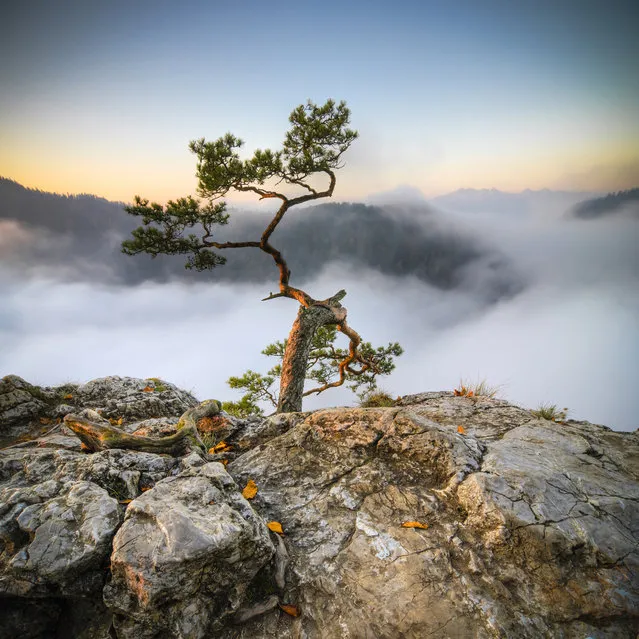
“Sokolica”. Sokolica, Poland. (Photo and caption by Marcin Kęsek/National Geographic Traveler Photo Contest)

“Sokolica”. Sokolica, Poland. (Photo and caption by Marcin Kęsek/National Geographic Traveler Photo Contest)

ATTENTION! All pictures are presented in high resolution. To see Hi-Res images – just TWICE click on any picture. In other words, click small picture – opens the BIG picture. Click BIG picture – opens VERY BIG picture.
Details
25 Jun 2013 09:13:00
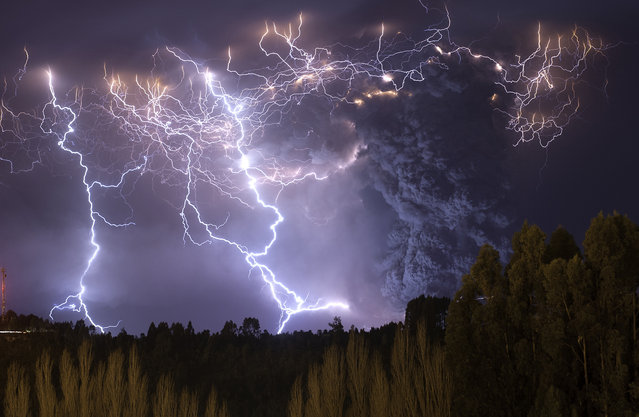
The eruption of Cordon Caulle began on June 4, 2011, located in the Region of Los Rios in Chile. For about 12 months, people and animals became accustomed to living with the daily fall of ash, which also caused problems in the air traffic in South America. The explosions and lightning during first days of the eruption could be seen from hundreds of miles around. This photograph was taken on the second night of eruption from the town of Lago Ranco. (Photo and caption by Francisco Negroni/National Geographic Traveler Photo Contest)

The eruption of Cordon Caulle began on June 4, 2011, located in the Region of Los Rios in Chile. For about 12 months, people and animals became accustomed to living with the daily fall of ash, which also caused problems in the air traffic in South America. The explosions and lightning during first days of the eruption could be seen from hundreds of miles around. This photograph was taken on the second night of eruption from the town of Lago Ranco. (Photo and caption by Francisco Negroni/National Geographic Traveler Photo Contest)

ATTENTION! All pictures are presented in high resolution. To see Hi-Res images – just TWICE click on any picture. In other words, click small picture – opens the BIG picture. Click BIG picture – opens VERY BIG picture.
Details
23 Jun 2013 11:24:00


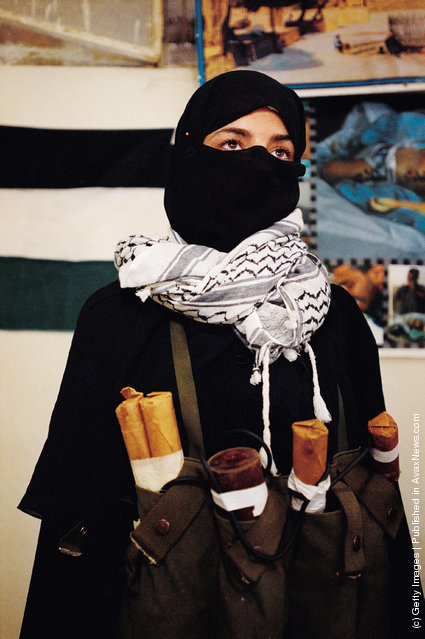
A Palestinian female volunteers for the al- Aqsa Martyrs Brigade, a militant group part of Fatah movement, stands with her weapon in this undated photo. Unlike Hamas and Islamic Jihad, the ideology of al-Aqsa is rooted in Palestinian nationalism not political Islam, and is the only Palestinian group that accepts and trains women to be “martyrs”. (Photograph by Courtney Kealy/Getty Images)
Details
22 May 2011 12:09:00


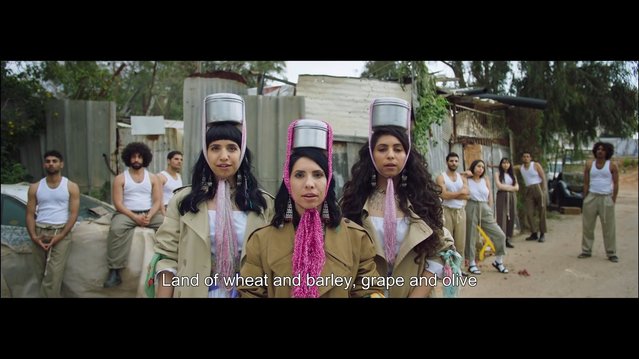
A-WA – Hana Mash Hu Al Yaman (Official Video)
Details
21 Aug 2019 00:03:00
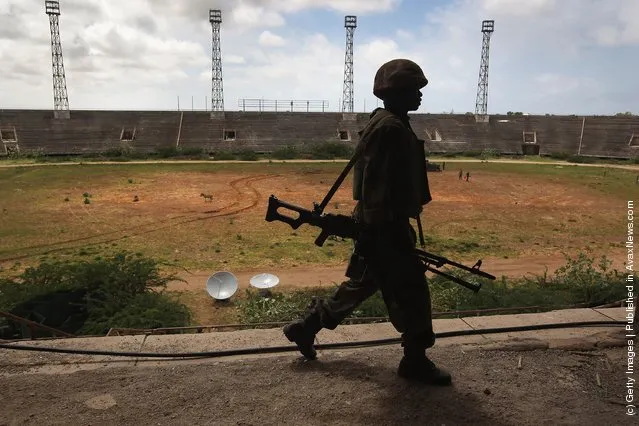
A Ugandan soldier, part of the 9,000-strong African Union Mission in Somalia, (AMISOM) walks through the Banadir soccer stadium in Mogadishu, Somalia

A Ugandan soldier, part of the 9,000-strong African Union Mission in Somalia, (AMISOM) walks through the Banadir soccer stadium on August 15, 2011 in Mogadishu, Somalia. The stadium, Somalia's largest soccer facility, had been under control by Islamic extremist Shabab militants for the past two years until they withdrew from the capital more than a week ago. (Photo by John Moore/Getty Images)
Details
18 Aug 2011 10:56:00
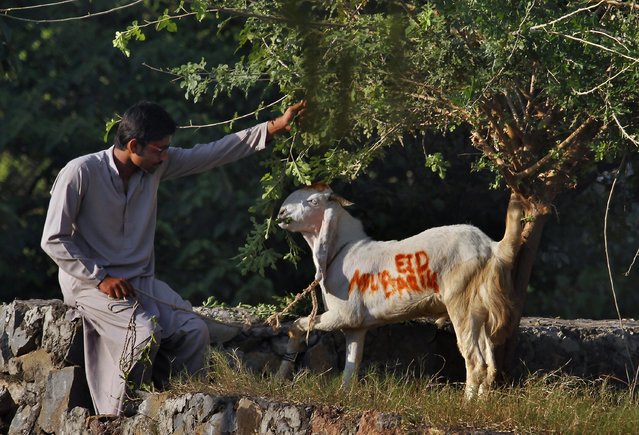
A Pakistani feeds his goat wearing the words “Eid Mubarak” or “Eid Greeting”, to be slaughtered on the Muslim holiday of Eid al-Adha, or “Feast of Sacrifice”, in Islamabad, Pakistan on Tuesday, October 15, 2013. Muslims all over the world are celebrating Eid al-Adha by sacrificing sheep, goats, cows and camels, to commemorate the Prophet Abraham's readiness to sacrifice his son, Ismail, on God's command. (Photo by Anjum Naveed/AP Photo)

A Pakistani feeds his goat wearing the words “Eid Mubarak” or “Eid Greeting”, to be slaughtered on the Muslim holiday of Eid al-Adha, or “Feast of Sacrifice”, in Islamabad, Pakistan on Tuesday, October 15, 2013. Muslims all over the world are celebrating Eid al-Adha by sacrificing sheep, goats, cows and camels, to commemorate the Prophet Abraham's readiness to sacrifice his son, Ismail, on God's command. (Photo by Anjum Naveed/AP Photo)
Details
17 Oct 2013 07:56:00