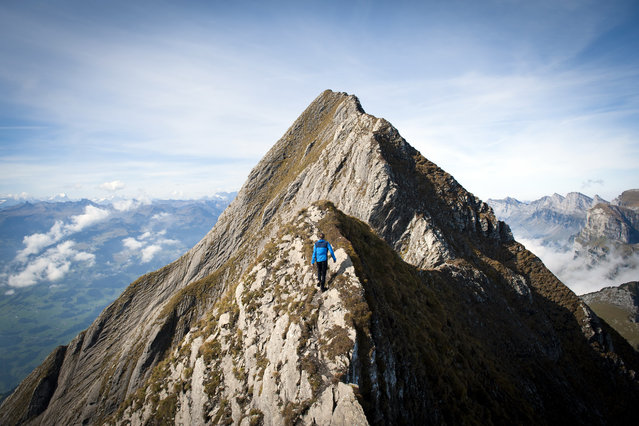
A climber walks on the ridge beneath the eastern peak of the Gamsberg (2385 meters above sea level) near Grabs, Switzerland, Friday, October 3, 2014. (Photo by Gian Ehrenzeller/AP Photo/Keystone)
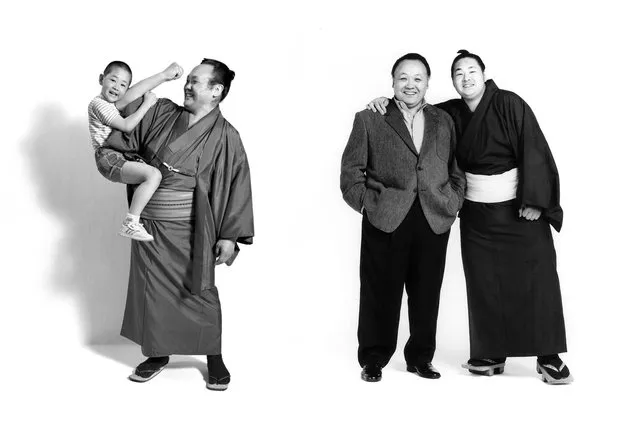
TOKYO (majirox news) — It takes a lot of time and effort to create the perfect shot, and tremendous creativity to compose an original series. Yet, photographer Bruce Osborn has done just that.
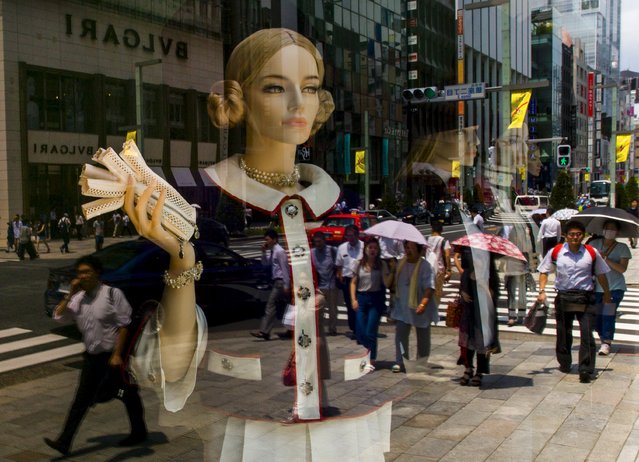
People are reflected in a shop window as they walk along a street in a shopping district in Tokyo, Japan June 25, 2015. (Photo by Thomas Peter/Reuters)
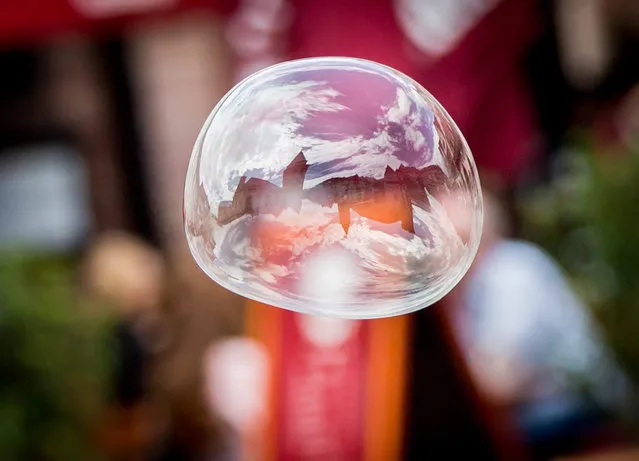
A blurred panaroma of Roemerberg historic center is reflected in a soap bubble in Frankfurt am Main, Germany, 09 July 2015. (Photo by Frank Rumpenhorst/EPA)
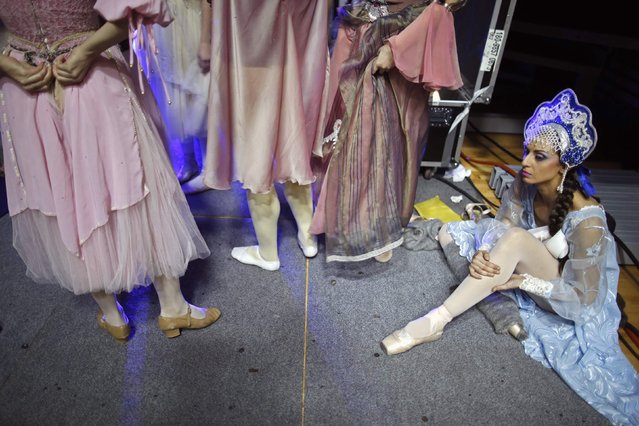
The Imperial Russian Ballet members wait to perform Tchaikovsky's “Swan Lake” at Arena hall in central Bosnian town of Zenica December 7, 2014. (Photo by Dado Ruvic/Reuters)
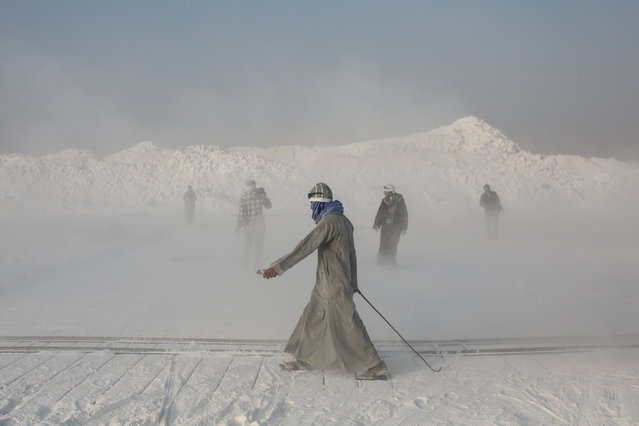
In this Wednesday, March 18, 2015 photo, limestone quarry workers walk through a cloud of dust spewed into the air by rotor blades of the stone-cutting machinery in the desert of Minya, southern Egypt. Around 45,000 people, including children, work in an estimated 1,500 quarries, digging out stones that later will be used in construction or powdered to be used by pharmaceutical and ceramic companies. (Photo by Mosa'ab Elshamy/AP Photo)
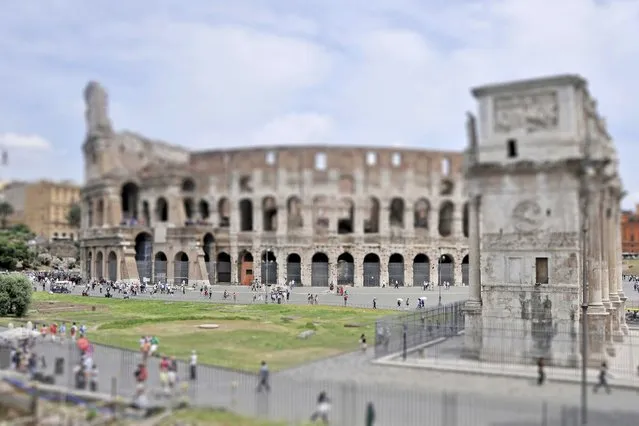
Richard Silver's photographs show us the world's biggest sights like Machu Picchu in Peru or Copacabana in Brazil. His photos, however, are not simply depictions of the landmarks but planned, artistic visual constructions that, with their playful combinations of sharpness and blur, create new worlds of experience. Photo: Coliseum, Rome. (Photo by Richard Silver)
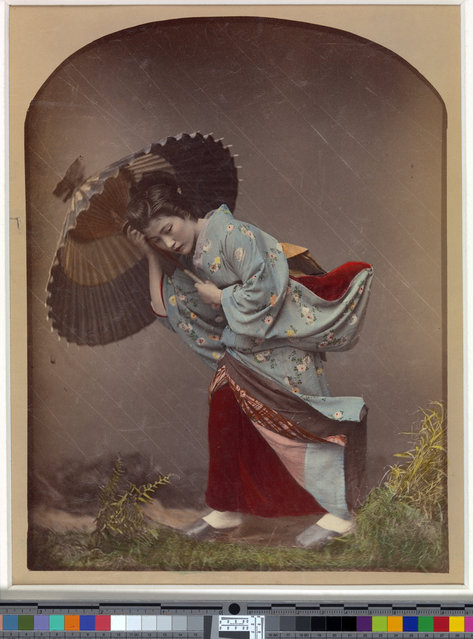
“Woman with Umbrella in Rain” by Raimund von Stillfried. Artist: Kusakabe Kimbei (Japanese, 1841–1934), 1870s. Commercial photography studios in Meiji-era Japan were renowned for the subtlety and refinement of their coloring techniques. This hand-tinted image of a young woman caught in a heavy rainstorm achieved its naturalistic effect by knitting together multiple strands of artifice: the greenery in the foreground was a studio prop; the flaps of the kimono were suspended by thin wires to create the impression of a strong wind; and long, diagonal marks were made on the negative to suggest streaks of rain. (Photo courtesy of The Metropolitan Museum of Art)