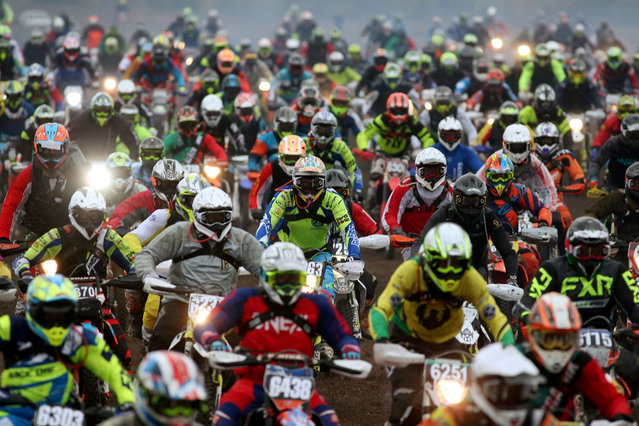
A view of the start of the 37th Gotland Grand National motocross race in Visby, Sweden on October 24, 2020. (Photo by Soren Andersson/TT News Agency via Reuters)
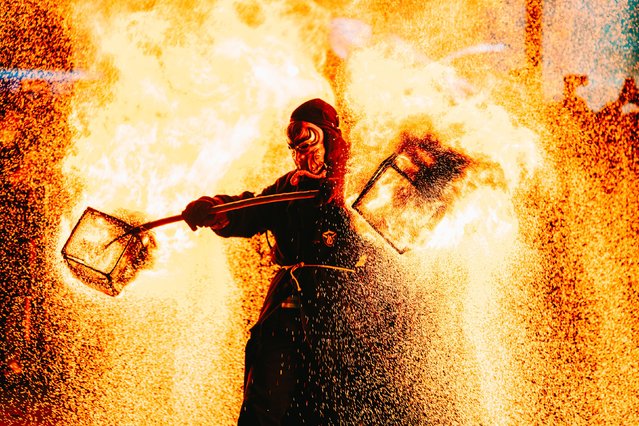
A folk artist shakes iron nets with hot charcoals to create sparks during Huohu (fire pot) performance on December 28, 2024 in Nanjing, Jiangsu Province of China. (Photo by VCG/VCG via Getty Images)
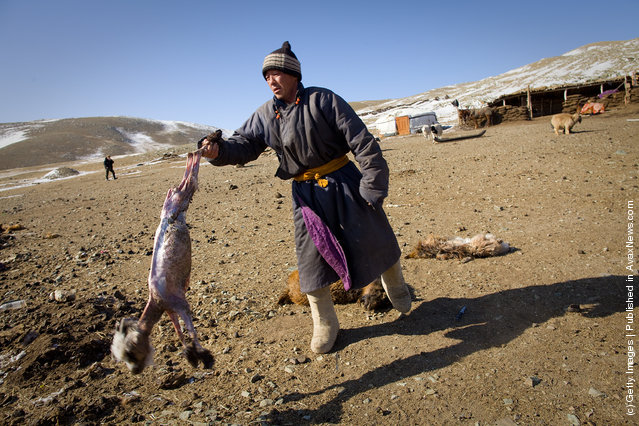
Mongolian herder, Khurelsukh, throws the carcass of a goat onto a heap as he struggles to deal with losing a quarter of his herd, on March 8, 2010 in Bayantsogt, Tuv province, Mongolia. (Photo by Paula Bronstein /Getty Images)
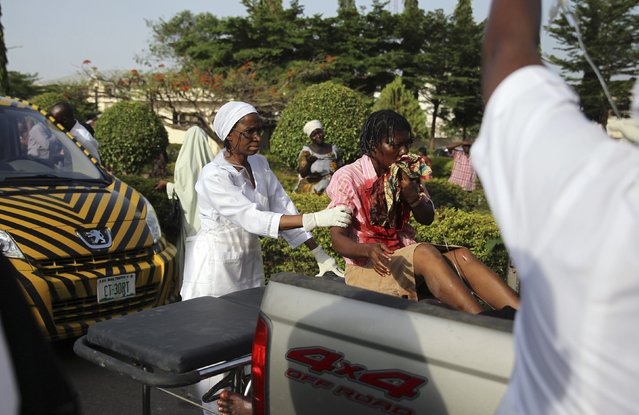
A nurse helps an injured bomb victim sitting at the back of a pickup truck at the Asokoro General Hospital in Abuja, April 14, 2014. A morning rush-hour bomb killed at least 35 people at a Nigerian bus station near the capital on Monday, raising concerns about the spread of an Islamist insurgency after the first such attack on Abuja for two years. Suspicion fell on Boko Haram, though there was no immediate claim of responsibility from the Islamist group mainly active in the northeast. Five hours after the blast, officials had given no death toll. Reuters journalists counted at least 35 bodies. (Photo by Afolabi Sotunde/Reuters)
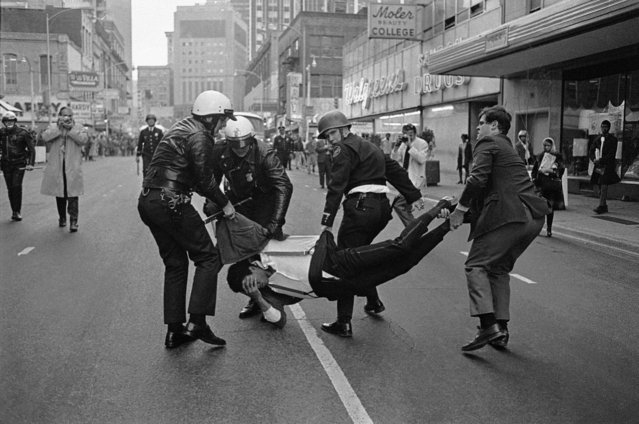
Police haul a youth to the paddy wagon as an undetermined number of arrest were made in downtown Atlanta, Georgia, February 25, 1971, as police moved in to disperse black youths after windows were broken and rocks and fruit thrown in what officers called “a major disturbance”. (Photo by Charles Kelly/AP Photo)
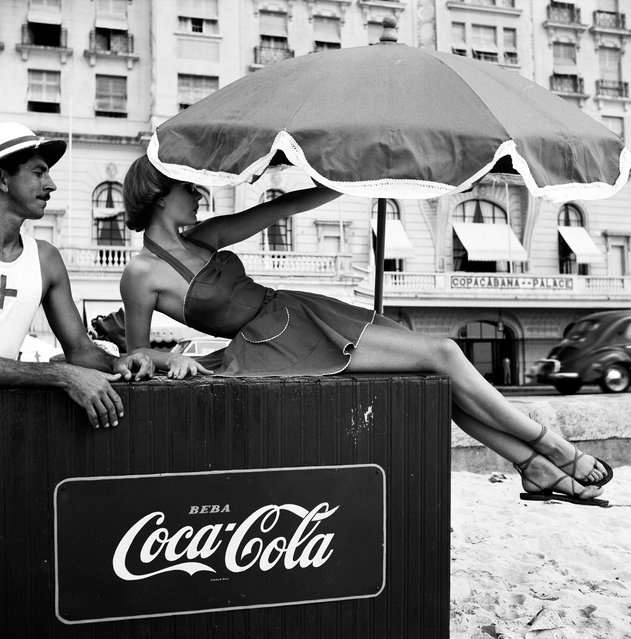
“Grit and Glamour”, a retrospective of the late British photographer Elsbeth Juda, who fled Nazi occupation and came to England in 1933, is at the Jewish Museum, in London, until July 1, 2018. Here: Shelagh Wilson, Copacabana beach, Rio de Janeiro, 1951. (Photo by Elsbeth Juda Archive/Victoria and Albert Museum)
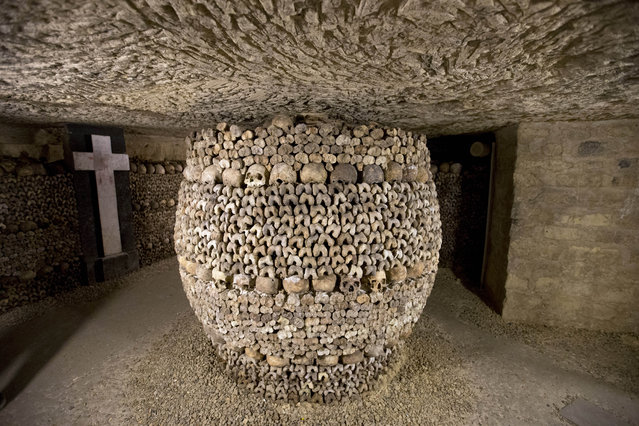
In this photo taken Tuesday, October 14, 2014, skulls and bones are stacked at the Catacombs in Paris, France. The subterranean tunnels, stretching 2 kilometers (1.24 miles), cradle the bones of some 6 million Parisians from centuries past and once gave refuge to smugglers. The site used to close at 5 p.m., but is now staying open until 8 p.m. The change is mainly aimed at allowing more people to visit and reducing long lines, since it can only hold a limited number of people at a time and visits can't be reserved in advance. (Photo by Francois Mori/AP Photo)