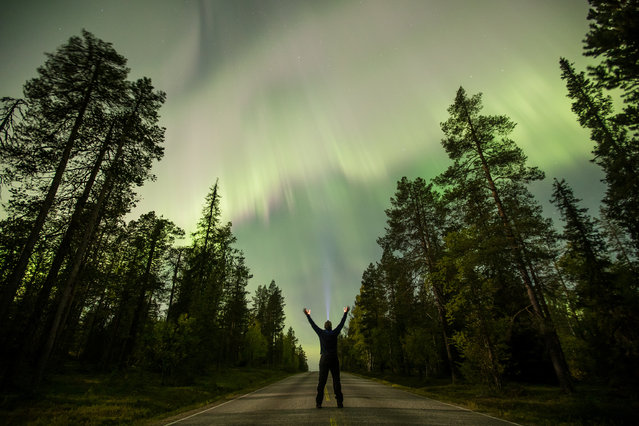
The Aurora Borealis (Northern Lights) lights up the sky near the village of Pallas (Muonio region) of Lapland, Finland September 8, 2017. (Photo by Alexander Kuznetsov/Reuters/All About Lapland)
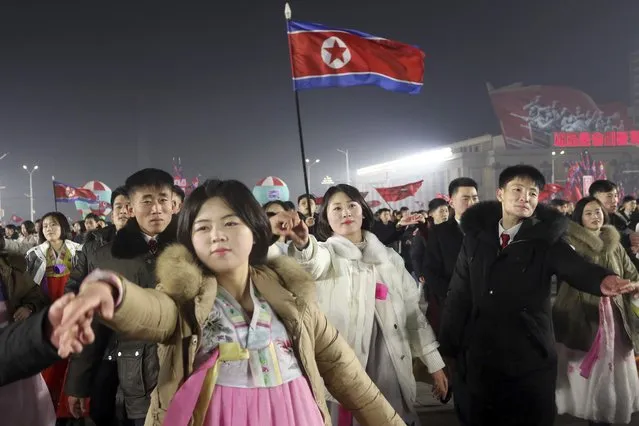
People attend the New Year's eve gala of youth and students at Kim Il Sung Square in Pyongyang, North Korea Sunday, December 31, 2023. (Photo by Jon Chol Jin/AP Photo)
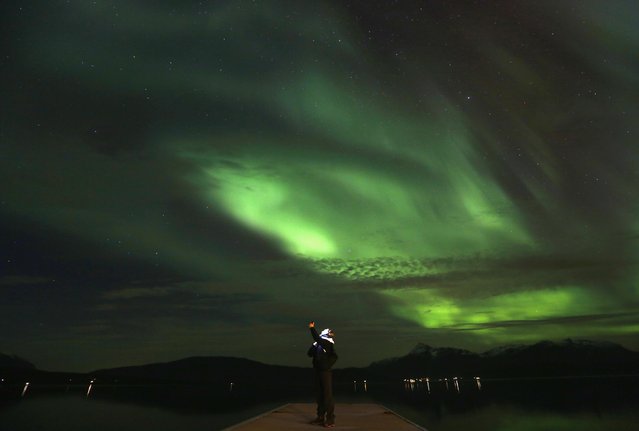
A tourist takes photos of an Aurora Borealis display (Northern Lights) over the Bals-Fiord north of the Arctic Circle, near the village of Mestervik late September 30, 2014. (Photo by Yannis Behrakis/Reuters)
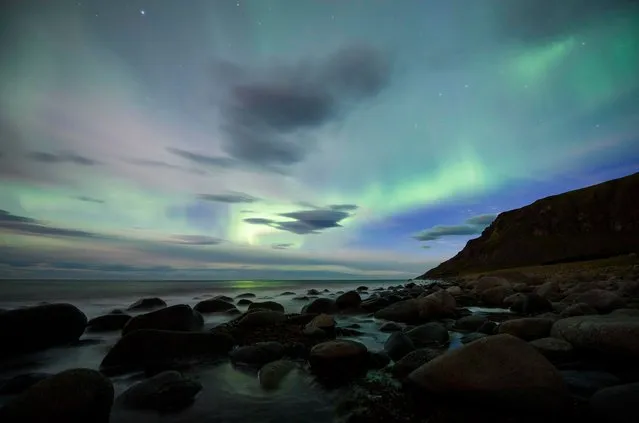
The northern lights, or aurora borealis, illuminate the sky over Flakstad beach on Lofoten Islands in the Arctic Circle on September 5, 2017. (Photo by Jonathan Nackstrand/AFP Photo)
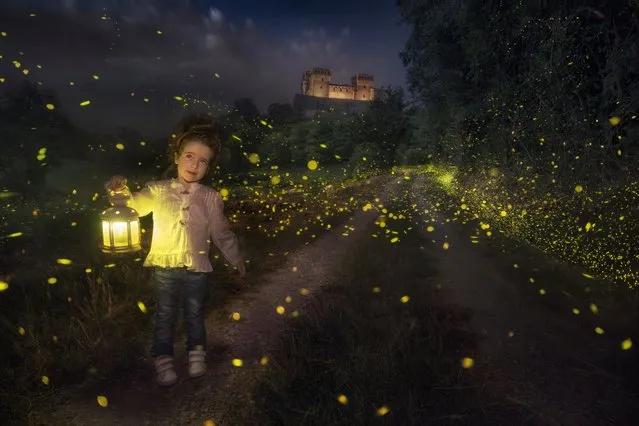
Thousands of fireflies dance around Aurora Ghizzi Panizza, age 4, in the grounds of the 15th-century Castello di Torrechiara in Parma, Italy on July 16, 2022. (Photo by Alberto Ghizzi Panizza/Animal News Agency)
Protestors break through the barriers of the DNC in Park #578 during the March on the DNC 2024 in Chicago, IL on Monday, August 19, 2024. (Photo by Laura Thompson/Rex Features/Shutterstock)
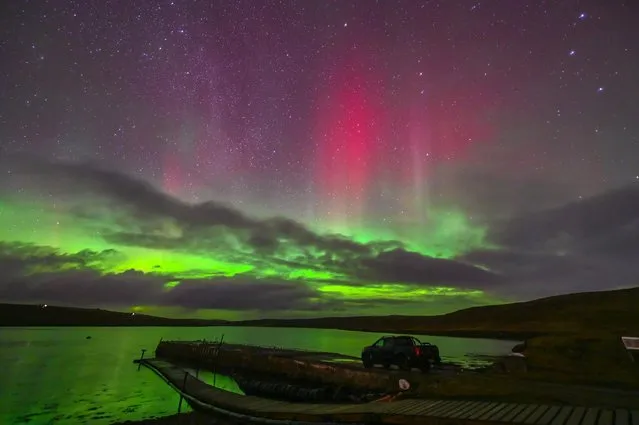
The northern lights as seen from from Yell in the Shetland Islands, Scotland on January 15, 2023. The aurora borealis is caused by collisions between electrically charged particles released from the sun that enter the Earth’s atmosphere and collide with gases such as oxygen and nitrogen. (Photo by Ryan Nisbet/Capture Media Agency)
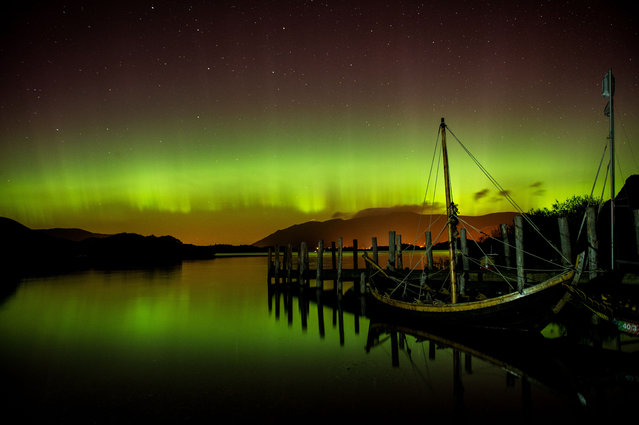
The aurora borealis, or the northern lights occur over Derwentwater, near Keswick, England, Thursday October 8, 2015. The northern lights are the result of collisions between gaseous particles in the Earth's atmosphere with charged particles released from the sun. (Photo by Owen Humphreys/PA Wire via AP Photo)