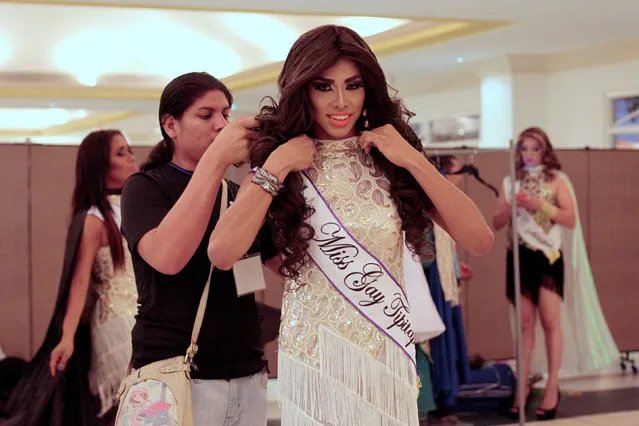
A participant gets ready backstage before the start of the “Miss Gay Nicaragua 2016” beauty pageant in Managua, Nicaragua June 25, 2016. Picture taken June 25, 2016. (Photo by Oswaldo Rivas/Reuters)
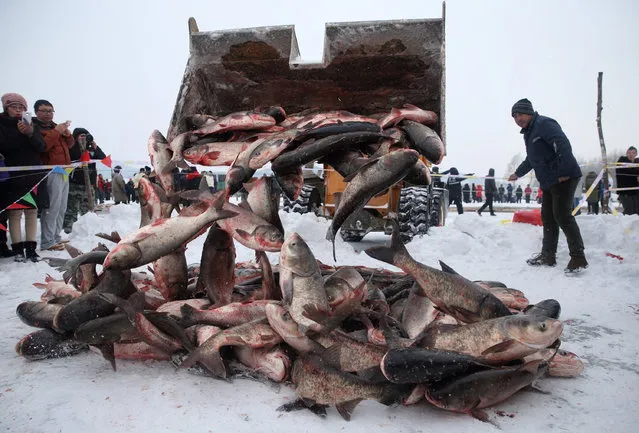
People participate in a winter fishing event in Changchun, Jilin province, China, December 25, 2016. Picture taken December 25, 2016. (Photo by Reuters/Stringer)
Chris Hondros, a Getty Images photographer, was fatally wounded on April 20, 2011, in a mortar attack by government forces while covering the civil war in Libya. Hondros' work is woven in our history as he covered everything from politics to marathons. A new film will focus on his life as told through his images. Here's a look at some of his finest and final work. Some of these images are graphic in nature
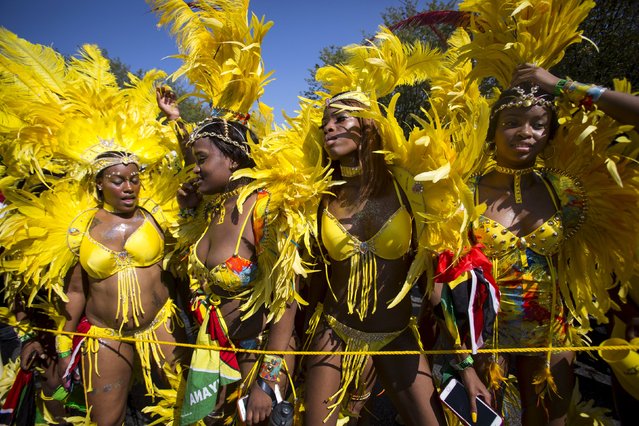
Women dance in costume during the West Indian Day Parade in Brooklyn, New York September 7, 2015. The parade, which takes place annually, celebrates Caribbean culture and history. (Photo by Andrew Kelly/Reuters)
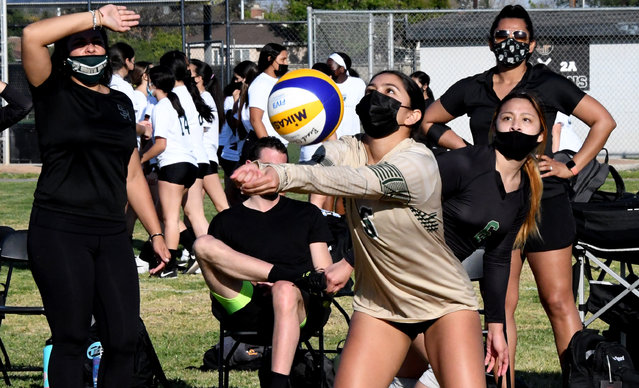
Jaida Zuniga #5 returns a volley against Northview during a girls volleyball match on grass as part of the newly formed Grass Valley League at Northview High School in West Covina on Thursday, March 4, 2021. South Hills defeated Northview (21-25), 25-13, 25-9, 25-12. (Photo by Keith Birmingham, Pasadena Star-News/SCNG)
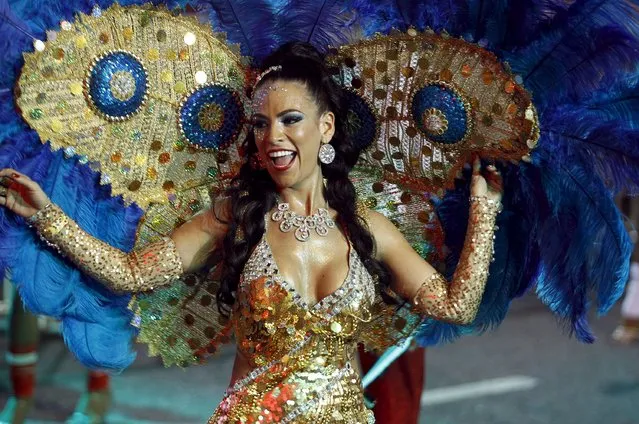
A salsa dancer performs in the “Salsodromo” parade, which marks the start of the Fair of Cali, Colombia, December 25, 2015. Picture taken December 25, 2015. (Photo by Jaime Saldarriaga/Reuters)
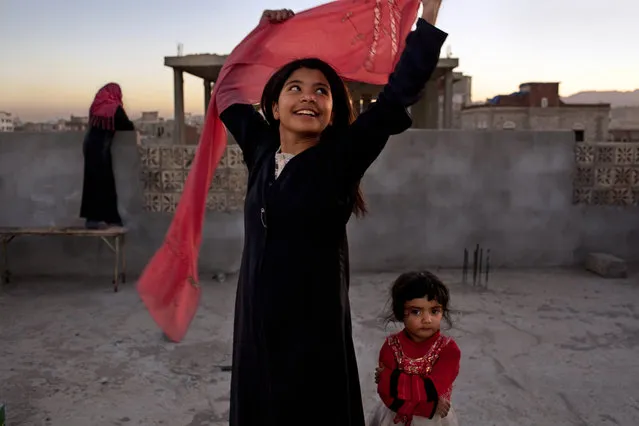
Some of the most powerful narratives of the past decade have been produced by a forward-thinking generation of women photojournalists as different as the places and the subjects they have covered. National Geographic's “Women of Vision” exhibit features the work of 11 photographers and is on display at the Fernbank Museum of Natural History in Atlanta until January 3, 2016. Here: Nujood Ali stunned the world in 2008 by obtaining a divorce at age 10 in Yemen, striking a blow against forced marriage. (Photo by Stephanie Sinclair/National Geographic)
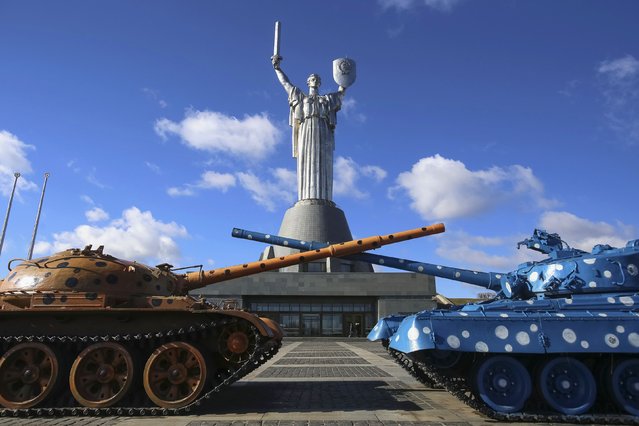
The 100-metre (300-foot), sword-wielding statue of “The Motherland” is seen in the National Museum of the History of the Great Patriotic War in Kiev March 17, 2014. On a blustery day on the banks of the Dnieper, the statue of “The Motherland”, a Soviet hammer and sickle on her shield, towered overhead, a reminder of the common cause Ukrainians and Russians died for side by side in their millions in World War Two and which Russian President Vladimir Putin thinks Ukraine has betrayed by turning to “fascism” and the West. (Photo by Konstantin Grishin/Reuters)