Loading...
Done
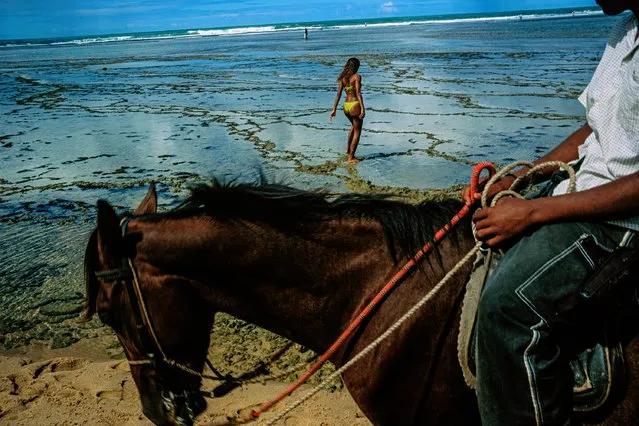
Praia du Forte, Bahia. “This was the lead picture for a National Geographic story on Bahia, because it was both mysterious as well as a “geography” picture showing where the slaves arrived from Nigeria. Beach pictures seem like they should be easy to take, but for me they are actually quite difficult. Too easy to fall into cliche. When I saw the kid coming on the horse, I quickly ran to see if I could make something with a woman in a bikini that was not a bikini shot”. (Photo by David Alan Harvey/The Guardian)

Praia du Forte, Bahia. “This was the lead picture for a National Geographic story on Bahia, because it was both mysterious as well as a “geography” picture showing where the slaves arrived from Nigeria. Beach pictures seem like they should be easy to take, but for me they are actually quite difficult. Too easy to fall into cliche. When I saw the kid coming on the horse, I quickly ran to see if I could make something with a woman in a bikini that was not a bikini shot”. (Photo by David Alan Harvey/The Guardian)
Details
20 Aug 2016 11:35:00
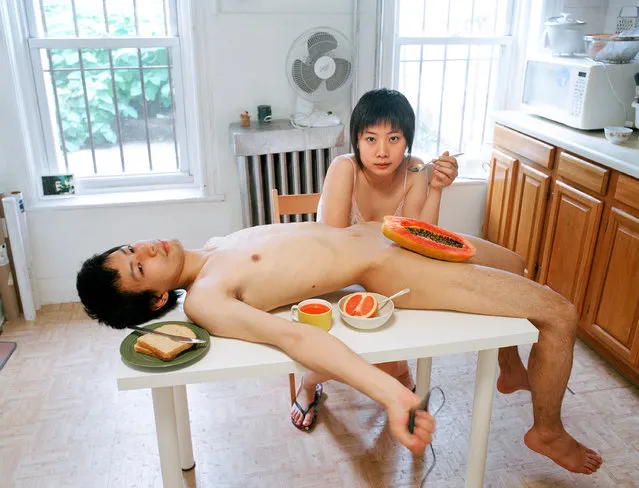
“Start your day with a good breakfast together”, 2009. “There was this trend of eating sushi from a woman’s naked body. So when I found the perfect papaya, I knew exactly how to shoot it”. (Photo by Pixy Liao/The Guardian)

“Start your day with a good breakfast together”, 2009. “There was this trend of eating sushi from a woman’s naked body. So when I found the perfect papaya, I knew exactly how to shoot it”. (Photo by Pixy Liao/The Guardian)
Details
02 Jun 2019 00:03:00
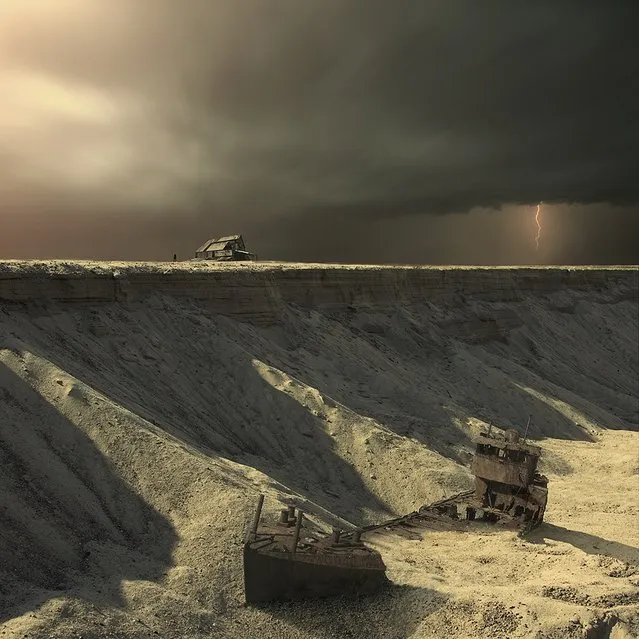
“Last Outpost”. (Photo by Michal Karcz)

“I was born in 1977 in Warsaw, Poland. I had graduated from the High School of Art in Warsaw. My journey into the world of photography began in the early 90's, but at that time my biggest passion was painting. Painting helped me develop vision that was hard to create. Unfortunately I had to leave the paintbrush and canvas. A few years ago, I opened “the door” to my own world with help of a different key”... – Michal Karcz. Photo: “Last Outpost”. (Photo by Michal Karcz)
Details
07 Aug 2013 14:15:00
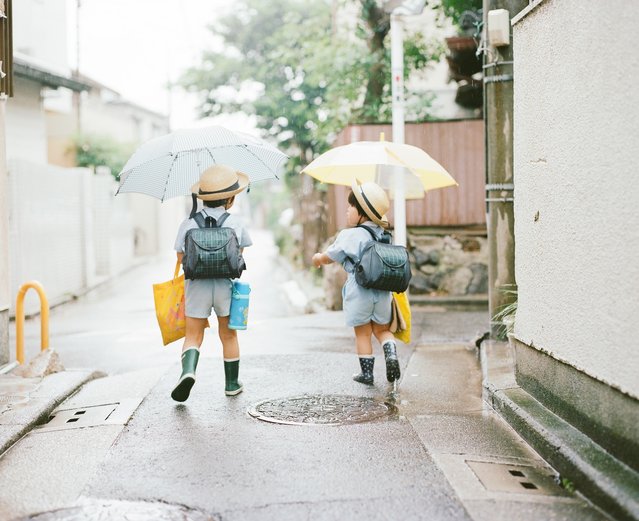
“Rainy days and mondays #1”. (Photo and caption by Hideaki Hamada)

“My children are not only my little darlings but off-shoots of myself. When I look at them, I have a strange feeling – as if I am watching myself re-living my life. What I want to show is their “living form”. – Hideaki Hamada. Photo: “Rainy days and mondays #1”. (Photo and caption by Hideaki Hamada)
Details
23 Mar 2015 09:56:00
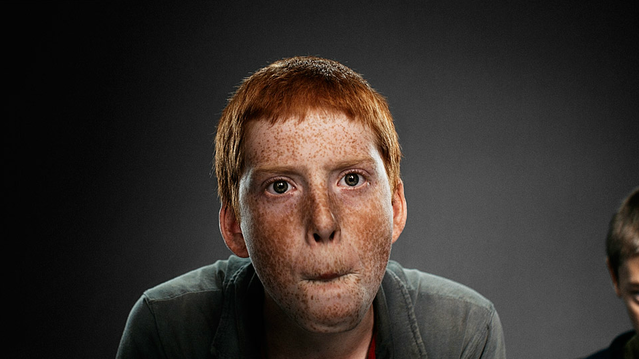
Robbie Cooper - Immersion

Robbie Cooper is a British artist working in photography, video and 3D. In 2008 he began his project ‘Immersion’ in which he filmed people’s faces as they watched TV, played video games and using the internet. His images have been of interest to me because they link to how playing video games affects your behaviour out of the game. I think that there is a definite link between gaming and behaviour. I think violent games such as Grand Theft Auto and Call of Duty do affect behaviour and can be linked to criminality.
Details
22 Sep 2013 12:21:00
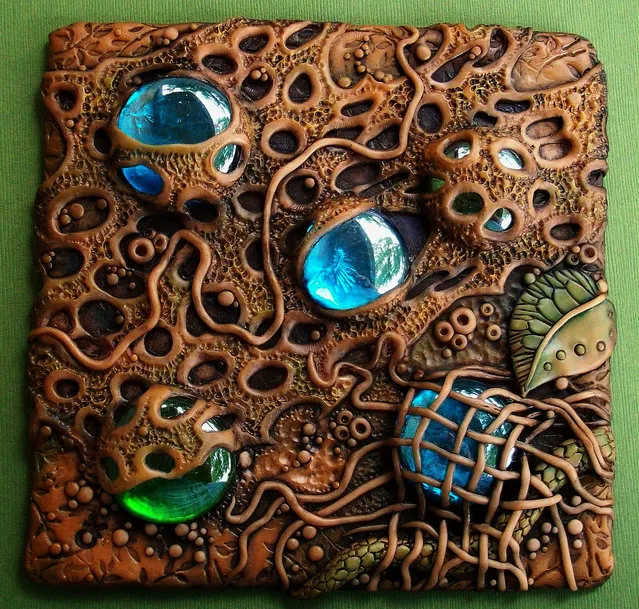
The Craft And Art Of Clay By Chris Kapono

My name is Chris Kapono and I am a self-taught artist living in Missouri. I have been drawing and painting ever since I can remember and art has been a big part of my life. My love of animals and nature is reflected in my art and sometimes interesting things I find on walks in the woods will find their way into some of my pieces!

Chris Kapono

Details
26 Aug 2015 14:25:00
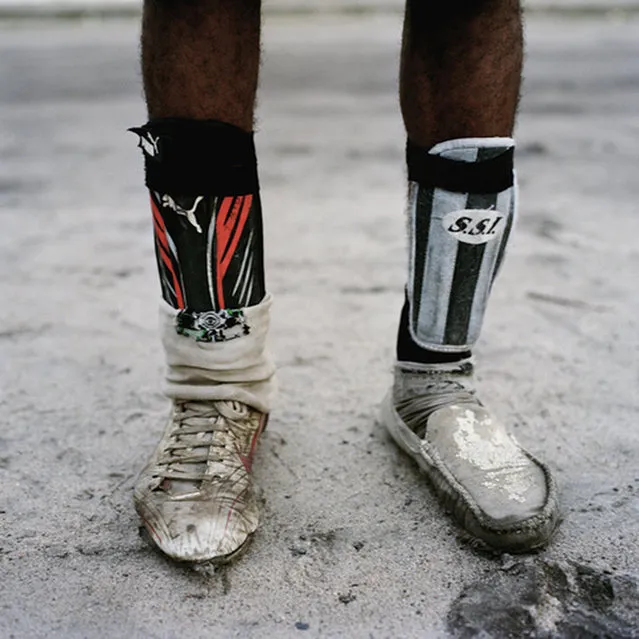
Jessica Hilltout : Amen-Grassroots Football

The images in Jessica Hilltout‘s Amen tell a gripping story of the joy soccer provides for Africa’s less fortunate. Inspired by her father, Hilltout set off to photograph soccer in Africa in all its shapes and sizes, coming to the conclusion that “the beautiful game exists in its purest form in what I saw — people playing for the joy of playing.”
Details
18 Oct 2012 10:49:00
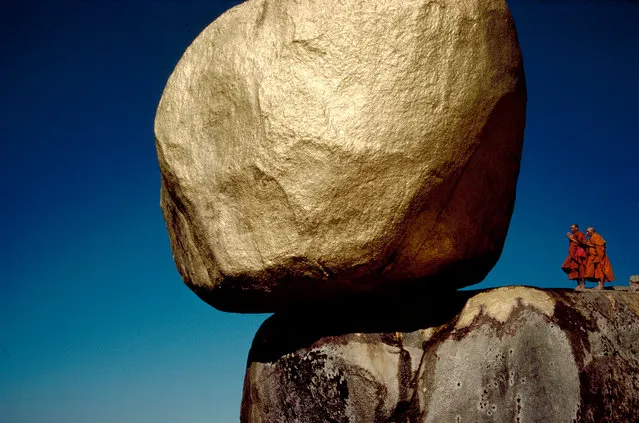
Kyaiktiyo, Burma, 1978. The Golden Rock at Shwe Pyi Daw (the Golden Country), the Buddhist holy place. Hiroji Kubota writes: “I was desperate to keep a distance from America for a while; luckily, I found Burma and its gentle and compassionate people. In the spring of 1978, on the top of the hill where I took this photo, I had two Leica bodies: the one with Tri-X and the other with Kodachrome 64. Soon after, I realised that the colour one looked very colourful and was more powerful. That was my decisive moment, to become a colour photographer”. (Photo by Hiroji Kubota/Magnum Photos)

Kyaiktiyo, Burma, 1978. The Golden Rock at Shwe Pyi Daw (the Golden Country), the Buddhist holy place. Hiroji Kubota writes: “I was desperate to keep a distance from America for a while; luckily, I found Burma and its gentle and compassionate people. In the spring of 1978, on the top of the hill where I took this photo, I had two Leica bodies: the one with Tri-X and the other with Kodachrome 64. Soon after, I realised that the colour one looked very colourful and was more powerful. That was my decisive moment, to become a colour photographer”. (Photo by Hiroji Kubota/Magnum Photos)
Details
10 Jun 2016 13:30:00