Loading...
Done
Astronomy Photographer Of The Year 2013 Part2

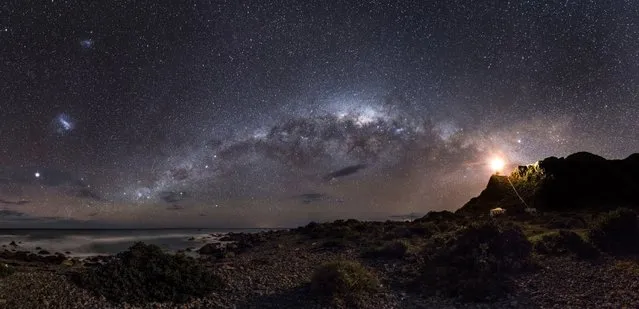
The Royal Observatory just announced its Astronomy Photographer Of The Year 2013 winners. Australian photographer Mark Gee was chosen among a thousand amateur and professional photographers around the globe to win the top title. His work is part of an exhibition of the winning photographers, which opened on Sept. 19 at the Royal Observatory Greenwich. The Royal Observatory shared with us the winners and notable mentions of the competition. Their descriptions of the prizewinners can be found below the images.
Details
05 Oct 2013 12:23:00
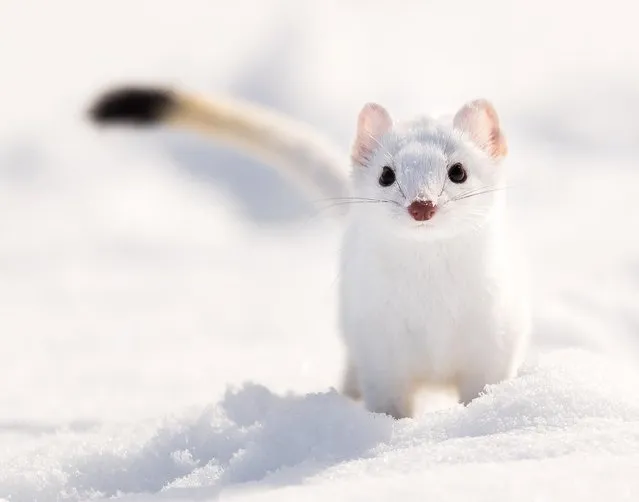
On Dale A. Browne’s first trip to Yellowstone, he “got the best shot” he’d ever taken after chasing this weasel for 30 minutes. The trip for the 58-year-old from Manassas, Va., was a gift from his wife and an opportunity to improve his photography skills with the help of guide and professional photographer Tom Murphy. (Murphy did not assist in the taking of this photo). (Photo by Dale A. Browne)

On Dale A. Browne’s first trip to Yellowstone, he “got the best shot” he’d ever taken after chasing this weasel for 30 minutes. The trip for the 58-year-old from Manassas, Va., was a gift from his wife and an opportunity to improve his photography skills with the help of guide and professional photographer Tom Murphy. (Murphy did not assist in the taking of this photo). (Photo by Dale A. Browne)
Details
26 Jul 2016 10:31:00
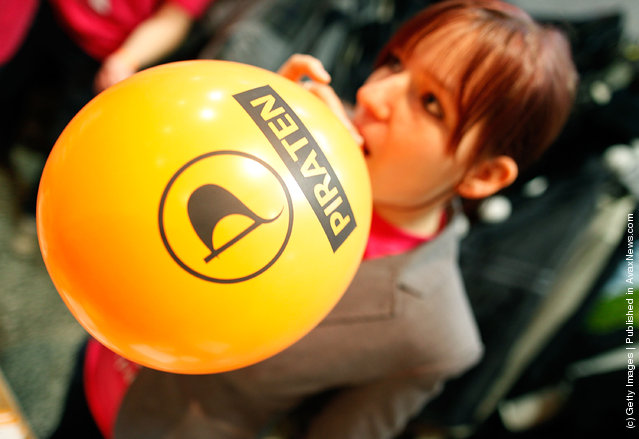
Pirate Party Holds Federal Congress

A young lady blows a balloon during a federal conference of the German Pirate Party (Piratenpartei) on December 3, 2011 in Offenbach, Germany. (Photo by Ralph Orlowski/Getty Images)
Details
04 Dec 2011 12:15:00
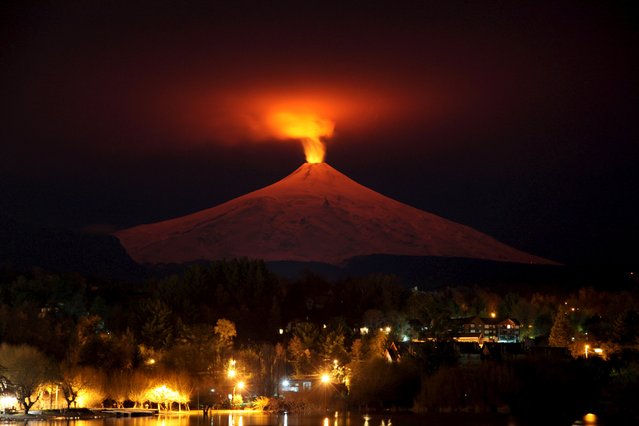
The Villarrica Volcano is seen at night from Pucon town, Chile, July 12, 2015. Villarrica, located near the popular tourist resort of Pucon, is among the most active volcanoes in South America. (Photo by Cristobal Saavedra/Reuters)

The Villarrica Volcano is seen at night from Pucon town, Chile, July 12, 2015. Villarrica, located near the popular tourist resort of Pucon, is among the most active volcanoes in South America. (Photo by Cristobal Saavedra/Reuters)
Details
13 Jul 2015 11:55:00
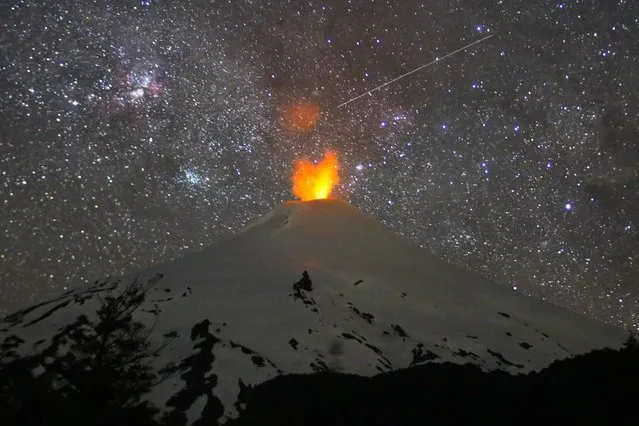
The Villarrica volcano shows signs of activity, as seen from Pucon, some 800 kilometers south of Santiago, on November 21, 2022. Villarrica volcano is among the most active in South America. (Photo by Mario Quilodran/AFP Photo)

The Villarrica volcano shows signs of activity, as seen from Pucon, some 800 kilometers south of Santiago, on November 21, 2022. Villarrica volcano is among the most active in South America. (Photo by Mario Quilodran/AFP Photo)
Details
17 Aug 2023 04:03:00
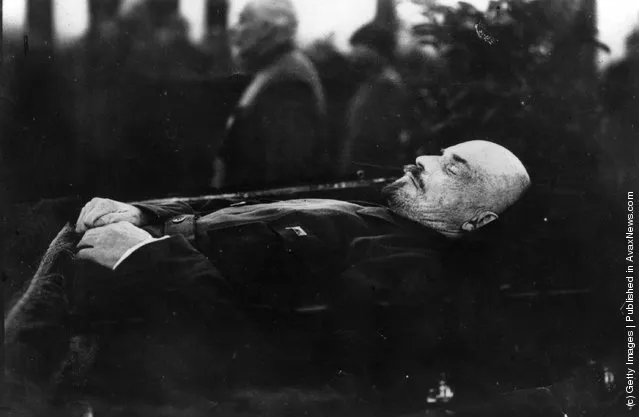
1924:  Vladimir Ilyich Lenin lying in state in the Kremlin

Photo: Vladimir Ilyich Lenin (1870 – 1924) lying in state in the Kremlin. (Photo by Hulton Archive/Getty Images). 1924

Important! For the same article in Russian language click here.

Something quite intriguing is happening within Russian-speaking internet during the last few – should you type a fully academic inquiry (at least, according to Russian academic requirements) in national search engines for "Lenin's mausoleum" – the first thing you get (even in top 10 searches) is website pages talking about black magic and occult. Website authors view this construction differently, but unconditionally agree on one thing: the mausoleum of the "leader of the world proletariat” – the essence of a magical artifact, a sort of “energy vampire”. It was built with a certain purpose: to drain the energy out of miserable Soviet citizens on one hand; and to poison the anthroposphere of one-sixth part of the earth with its vibes (the exact territory that was occupied by the former Soviet Union), depriving the Russian people of will to resist on the other hand. Complete nonsense? No doubt. Nevertheless, an intriguing one. Well, probably because some oddities do exist in mausoleum's history. These oddities are the thing we are going to discuss this time. First, let me refresh you memory on the subject.
Details
16 Oct 2011 11:27:00
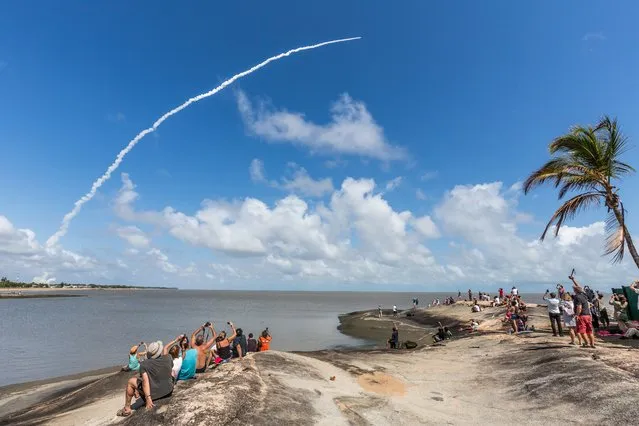
People take photos as an Ariane 5 space rocket with a payload of four Galileo satellites lifts off from ESA's European Spaceport in Kourou, French Guiana, on November 17, 2016. Ariane 5 successfully launched on November 17 four satellites which will be part of the Galileo global satellite navigation system. (Photo by Jody Amiet/AFP Photo)

People take photos as an Ariane 5 space rocket with a payload of four Galileo satellites lifts off from ESA's European Spaceport in Kourou, French Guiana, on November 17, 2016. Ariane 5 successfully launched on November 17 four satellites which will be part of the Galileo global satellite navigation system. (Photo by Jody Amiet/AFP Photo)
Details
18 Nov 2016 15:38:00
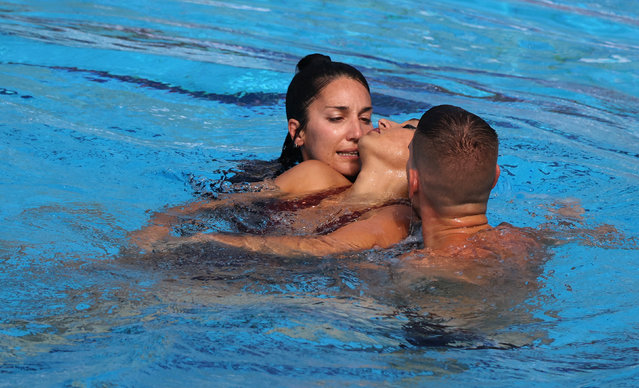
A member of Team USA (L) recovers USA's Anita Alvarez (C), from the bottom of the pool during an incendent in the women's solo free artistic swimming finals, during the Budapest 2022 World Aquatics Championships at the Alfred Hajos Swimming Complex in Budapest on June 22, 2022. (Photo by Peter Kohalmi/AFP Photo)

A member of Team USA (L) recovers USA's Anita Alvarez (C), from the bottom of the pool during an incendent in the women's solo free artistic swimming finals, during the Budapest 2022 World Aquatics Championships at the Alfred Hajos Swimming Complex in Budapest on June 22, 2022. (Photo by Peter Kohalmi/AFP Photo)
Details
23 Jun 2022 04:25:00