Loading...
Done
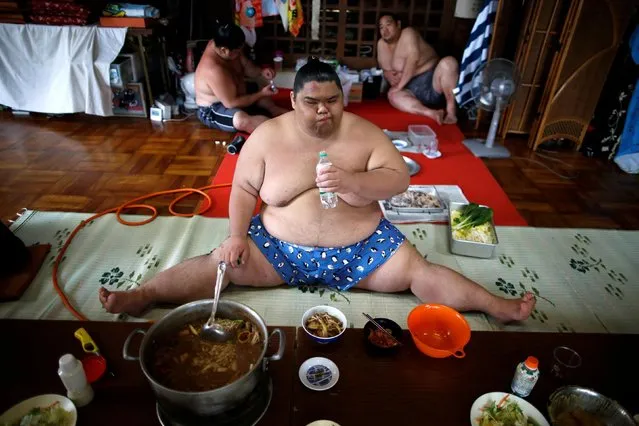
Sumo wrestler Kaiho eats a “chanko” meal in Nagoya, Japan on July 18, 2017. After ending practice at 10:30 a.m., the wrestlers mingle with fans, sign autographs and pose for photos before the first of their two daily meals. (Photo by Issei Kato/Reuters)

Sumo wrestler Kaiho eats a “chanko” meal in Nagoya, Japan on July 18, 2017. After ending practice at 10:30 a.m., the wrestlers mingle with fans, sign autographs and pose for photos before the first of their two daily meals. (Photo by Issei Kato/Reuters)
Details
20 Jul 2017 07:49:00
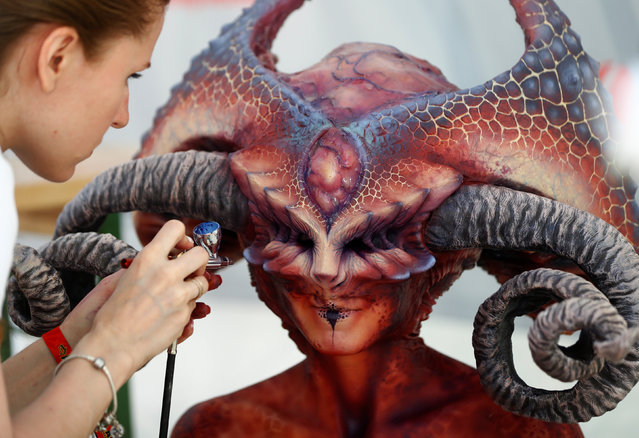
An artist airbrushes a model during the “World Bodypainting Festival 2017” in Klagenfurt, Austria on July 28, 2017. (Photo by Leonhard Foeger/Reuters)

An artist airbrushes a model during the “World Bodypainting Festival 2017” in Klagenfurt, Austria on July 28, 2017. (Photo by Leonhard Foeger/Reuters)
Details
29 Jul 2017 08:00:00
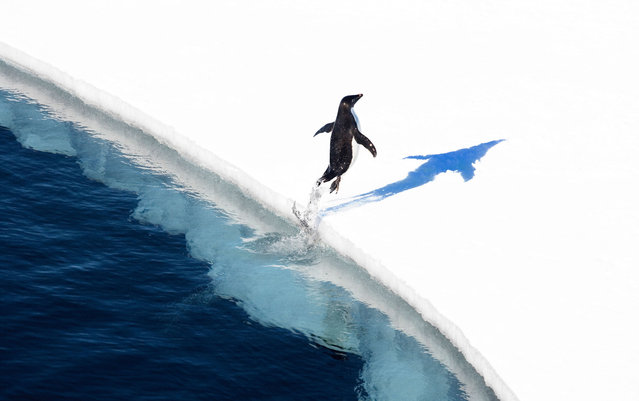
This undated handout photo received from the Antarctic Ocean Alliance on October 28, 2016 shows a adelie penguin jumping onto the ice in the Ross Sea in Antarctica. The world's largest marine reserve aimed at protecting the pristine wilderness of Antarctica will be created after a “momentous” agreement was finally reached on October 28, 2016 with Russia dropping its long-held opposition. A remote and largely pristine stretch of ocean off Antarctica received international protection on Friday, becoming the world's largest marine reserve as a broad coalition of countries came together to protect 598,000 square miles of water. The new marine protected area in the Ross Sea was created by a unanimous decision of the international body that oversees the waters around Antarctica – the Commission for the Conservation of Antarctic Marine Living Resources – and was announced at the commission's annual meeting in Tasmania. The commission comprises 24 countries, including the United States, and the European Union. (Photo by John Weller/AFP Photo/Antarctic Ocean Alliance)

This undated handout photo received from the Antarctic Ocean Alliance on October 28, 2016 shows a adelie penguin jumping onto the ice in the Ross Sea in Antarctica. The world's largest marine reserve aimed at protecting the pristine wilderness of Antarctica will be created after a “momentous” agreement was finally reached on October 28, 2016 with Russia dropping its long-held opposition. (Photo by John Weller/AFP Photo/Antarctic Ocean Alliance)
Details
29 Oct 2016 11:43:00
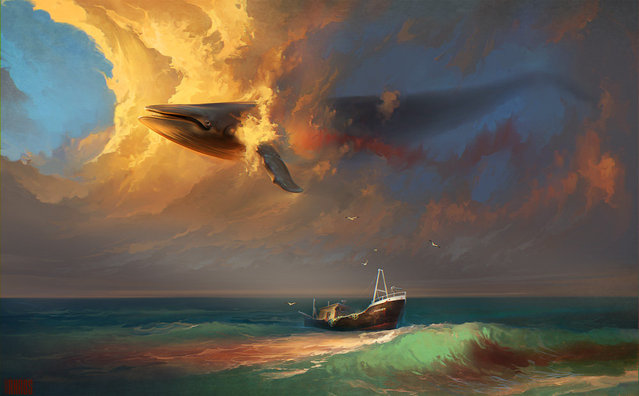
Beautiful World By Artem Rhads Cheboha (video)

Russian illustrator from South West of Siberia Artem Chebokha creates surreal digital paintings that have a peaceful yet grandiose feel to them.
Details
07 Nov 2016 02:58:00
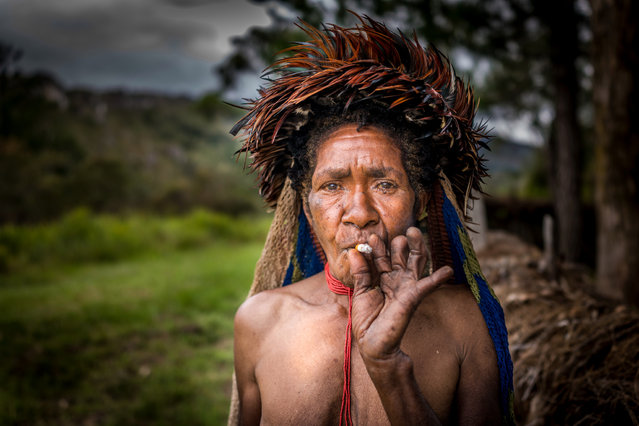
Dani tribeswoman smokes a cigarette and shows her amputated fingers in, Western New Guinea, Indonesia, August 2016. (Photo by Teh Han Lin/Barcroft Images)

Dani tribeswoman smokes a cigarette and shows her amputated fingers in, Western New Guinea, Indonesia, August 2016. Deep in the highlands of Western New Guinea, Indonesia, lives one of the world’s most isolated tribes. Known as the Dani people, the tribe was unwittingly discovered by American philanthropist, Richard Archbold, after an expedition in 1938. (Photo by Teh Han Lin/Barcroft Images)
Details
18 Nov 2016 11:03:00
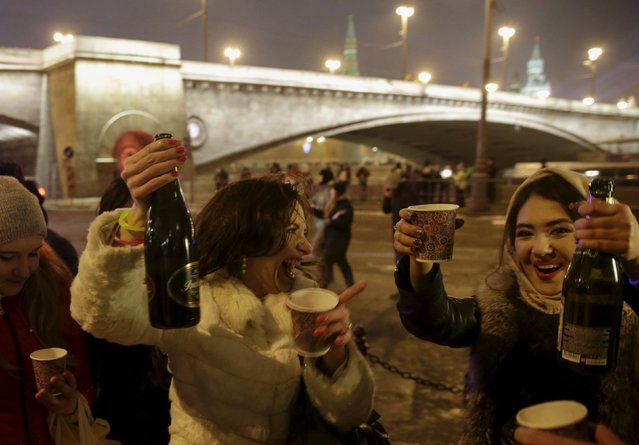
Revellers celebrate New Year's Day in central Moscow, Russia, January 1, 2016. (Photo by Tatyana Makeyeva/Reuters)

Revellers celebrate New Year's Day in central Moscow, Russia, January 1, 2016. (Photo by Tatyana Makeyeva/Reuters)
Details
02 Jan 2016 08:06:00
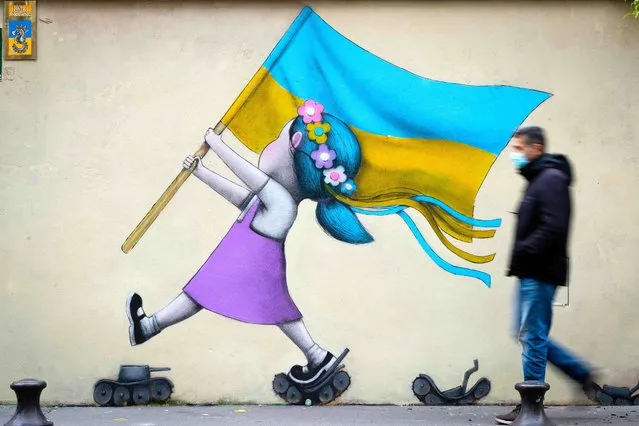
A bystander walks past a fresco by street artist Seth depicting a girl with a Ukrainian flag walking on tanks in Paris on March 01, 2022. (Photo by Joel Saget/AFP Photo)

A bystander walks past a fresco by street artist Seth depicting a girl with a Ukrainian flag walking on tanks in Paris on March 01, 2022. (Photo by Joel Saget/AFP Photo)
Details
15 Mar 2022 05:50:00


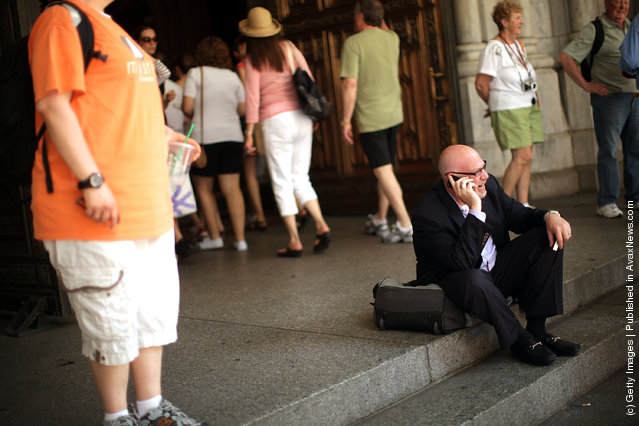
A man speaks on his mobile phone on May 31, 2011 in New York City. In a new report by 31 scientists meeting at the World Health Organization's International Agency for Research on Cancer (WHO/IARC) it was found that using a mobile phone may increase your risk for certain kinds of brain cancers. While further scientific work will be conducted, the group of scientists from 14 countries classified cell phones in the carcinogenic category 2B, which is similar to the pesticide DDT and gasoline engine exhaust. (Photo by Spencer Platt/Getty Images)
Details
01 Jun 2011 06:40:00