Loading...
Done
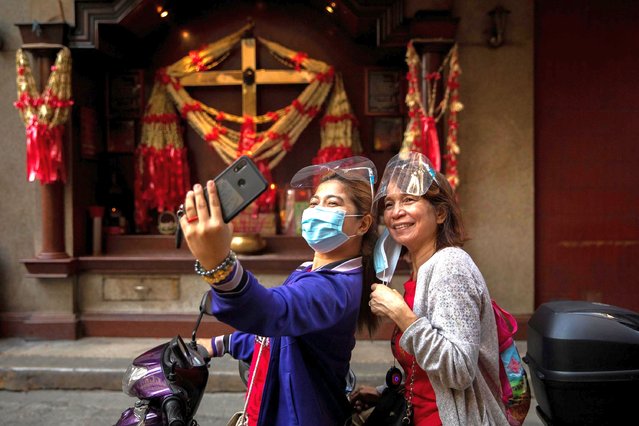
Women wearing masks and shields take a selfie in front of a praying altar during Lunar New Year in Chinatown in Manila, Philippines, February 12, 2021. (Photo by Eloisa Lopez/Reuters)

Women wearing masks and shields take a selfie in front of a praying altar during Lunar New Year in Chinatown in Manila, Philippines, February 12, 2021. (Photo by Eloisa Lopez/Reuters)
Details
06 Mar 2021 11:59:00
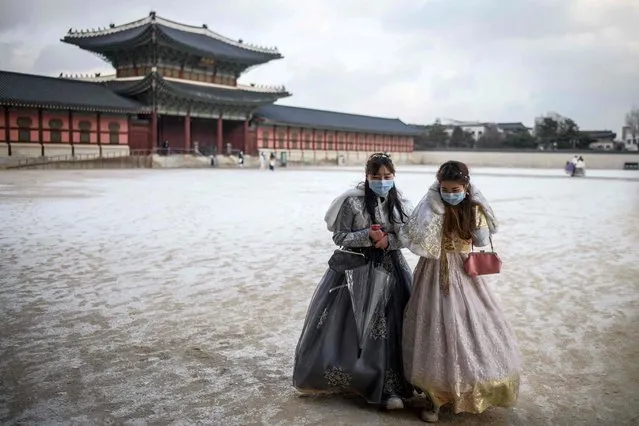
Visitors wear traditional hanbok dress as they walk on the grounds of the Gyeongbokgung Palace after a snowfall in Seoul on January 17, 2022. (Photo by Anthony Wallace/AFP Photo)

Visitors wear traditional hanbok dress as they walk on the grounds of the Gyeongbokgung Palace after a snowfall in Seoul on January 17, 2022. (Photo by Anthony Wallace/AFP Photo)
Details
25 Jan 2022 06:11:00
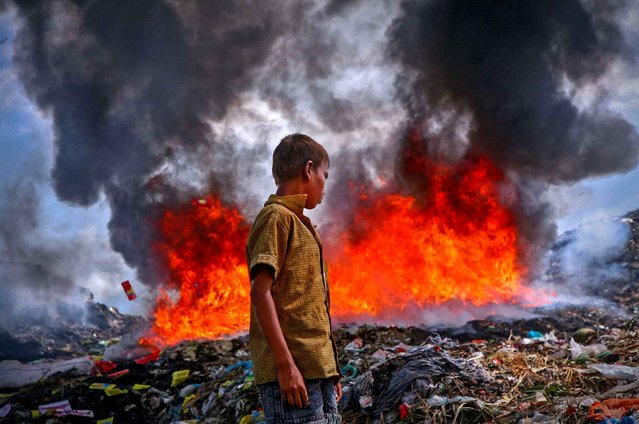
A boy looks for sellable materials close to the burning garbage in the permanent waste land under Sylhet City Corporation for a living, on January 15, 2015. (Photo by Md. Akhlas Uddin/Pacific Press)

A boy looks for sellable materials close to the burning garbage in the permanent waste land under Sylhet City Corporation for a living, on January 15, 2015. (Photo by Md. Akhlas Uddin/Pacific Press)
Details
18 Feb 2015 13:32:00
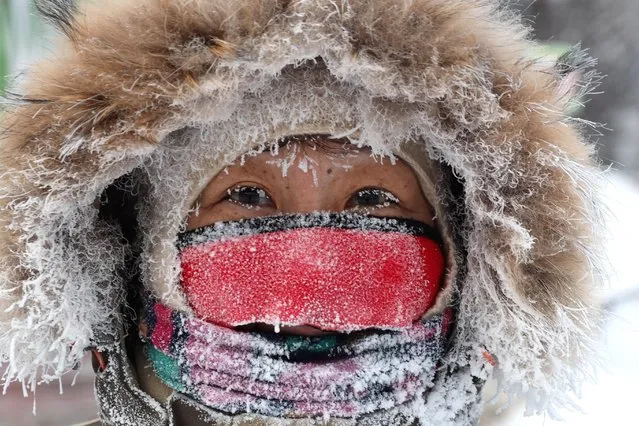
A man in Yakutsk, the capital of the Sakha Republic (Yakutia) in the Russian Far East on November 23, 2021. Located in Tuimaada Valley on the Lena River, Yakutsk is the largest city in the permafrost zone. On 23 November 2021, the daytime temperature ranged between –35 and –31 degrees Celsius in Yakutsk. On the night between 22 and 23 November, the temperature went down to –37 degrees Celsius. (Photo by Vadim Skryabin/TASS)

A man in Yakutsk, the capital of the Sakha Republic (Yakutia) in the Russian Far East on November 23, 2021. Located in Tuimaada Valley on the Lena River, Yakutsk is the largest city in the permafrost zone. On 23 November 2021, the daytime temperature ranged between –35 and –31 degrees Celsius in Yakutsk. On the night between 22 and 23 November, the temperature went down to –37 degrees Celsius. (Photo by Vadim Skryabin/TASS)
Details
04 Dec 2021 07:46:00
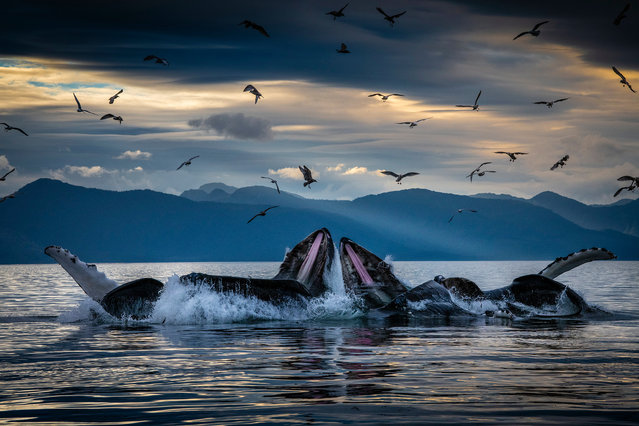
“Secrets of the Whales”. Skerry’s photographs celebrate the lives and culture of whales, illuminating recent research and their diverse behaviours. His latest work focuses on four key species: sperm whales, humpbacks, orca and beluga whales. Humpback whales bubble-net feeding off the coast of Alaska. They work cooperatively to feed on herring by blowing a perfect ring of bubbles underwater to form a net encircling the fish. The whales then swim up through the centre of the bubble net with their mouths open. (Photo by Brian Skerry/National Geographic Photo/Visa pour l'Image)

“Secrets of the Whales”. Skerry’s photographs celebrate the lives and culture of whales, illuminating recent research and their diverse behaviours. His latest work focuses on four key species: sperm whales, humpbacks, orca and beluga whales. Humpback whales bubble-net feeding off the coast of Alaska. They work cooperatively to feed on herring by blowing a perfect ring of bubbles underwater to form a net encircling the fish. The whales then swim up through the centre of the bubble net with their mouths open. (Photo by Brian Skerry/National Geographic Photo/Visa pour l'Image)
Details
04 Sep 2021 09:02:00
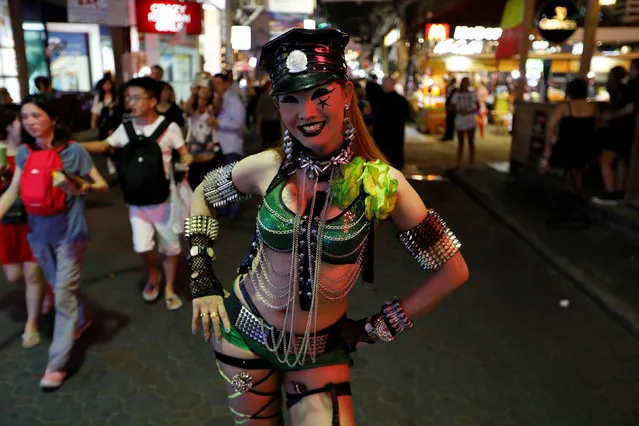
A woman promotes a go-go dance bar in Pattaya, Thailand March 25, 2017. With mascots dressed as smiling fish and a police rock band, Thai authorities launched a “Happy Zone” at the weekend to improve the image of a city notorious for sеx tourism. Stung by foreign headlines portraying the seaside resort of Pattaya as “Sin City” and “The World’s Sеx Capital”, Thailand’s junta has begun a new effort to re-brand it. Businesses in the Happy Zone are asked to make the area feel safer, there are increased security patrols, police launched a mobile phone app for visitors to summon them if an emergency occurs. (Photo by Jorge Silva/Reuters)

A woman promotes a go-go dance bar in Pattaya, Thailand March 25, 2017. With mascots dressed as smiling fish and a police rock band, Thai authorities launched a “Happy Zone” at the weekend to improve the image of a city notorious for sеx tourism. Stung by foreign headlines portraying the seaside resort of Pattaya as “Sin City” and “The World’s Sеx Capital”, Thailand’s junta has begun a new effort to re-brand it. Businesses in the Happy Zone are asked to make the area feel safer, there are increased security patrols, police launched a mobile phone app for visitors to summon them if an emergency occurs. (Photo by Jorge Silva/Reuters)
Details
28 Mar 2017 09:20:00
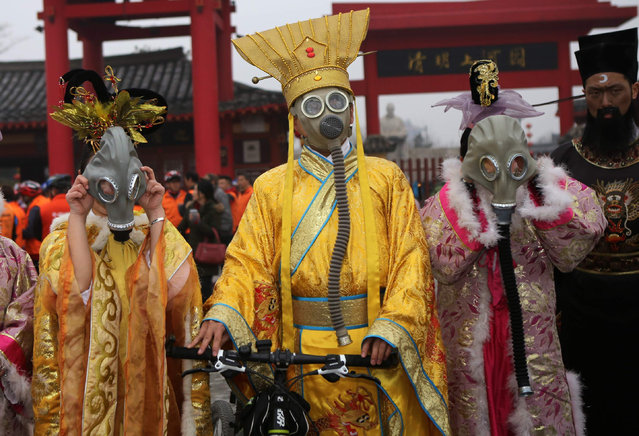
Anti-pollution protesters wearing traditional costumes and contemporary gas masks ride bicycles in the Qingming Grand river park in Kaifeng, Henan Province, China on January 1, 2017. The Beijing Municipal Environmental Protection Bureau extended an “orange alert” for heavy air pollution for three more days. (Photo by SIPA Asia/Rex Features/Shutterstock)

Anti-pollution protesters wearing traditional costumes and contemporary gas masks ride bicycles in the Qingming Grand river park in Kaifeng, Henan Province, China on January 1, 2017. The Beijing Municipal Environmental Protection Bureau extended an “orange alert” for heavy air pollution for three more days. (Photo by SIPA Asia/Rex Features/Shutterstock)
Details
04 Jan 2017 08:20:00
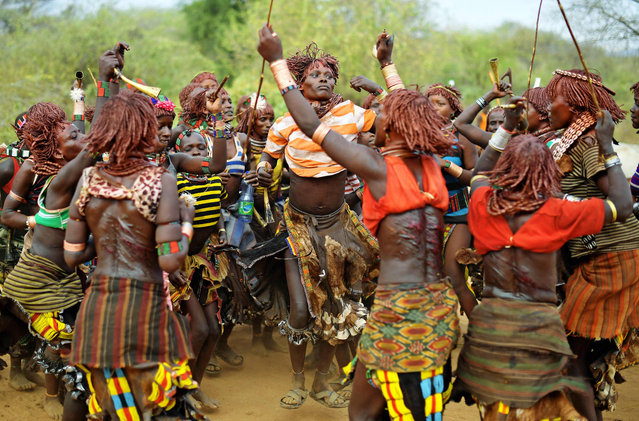
Hamar women dance before a bull jumping ceremony in Ethiopia's southern Omo Valley region near Turmi on September 19, 2016. The Hamar are a Nilotic ethnic group in Ethiopia. The construction of the Gibe III dam, the third largest hydroelectric plant in Africa, and large areas of very “thirsty” cotton and sugar plantations and factories along the Omo river are impacting heavily on the lives of tribes living in the Omo Valley who depend on the river for their survival and way of life. Human rights groups fear for the future of the tribes if they are forced to scatter, give up traditional ways through loss of land or ability to keep cattle as globalisation and development increases. (Photo by Carl De Souza/AFP Photo)

Hamar women dance before a bull jumping ceremony in Ethiopia's southern Omo Valley region near Turmi on September 19, 2016. The Hamar are a Nilotic ethnic group in Ethiopia. The construction of the Gibe III dam, the third largest hydroelectric plant in Africa, and large areas of very “thirsty” cotton and sugar plantations and factories along the Omo river are impacting heavily on the lives of tribes living in the Omo Valley who depend on the river for their survival and way of life. (Photo by Carl De Souza/AFP Photo)
Details
02 Oct 2016 08:45:00