Loading...
Done
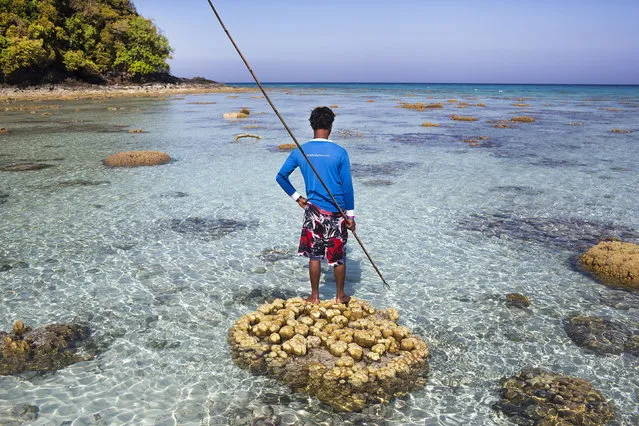
Hook, an indigenous Moken man, holds a three-pronged throwing spear and searches for fish in the waters of Ko Surin National Park. March 1, 2013 – Ko Surin, Thailand. (Photo by Taylor Weidman/zReportage via ZUMA Press)

“For centuries, the Moken sea nomads have traveled the islands between Thailand and Myanmar fishing and foraging for food on the sea floor. Throughout the Mergui Archipelago, Moken migrate in flotillas of Kabangs (traditional boat of the Moken people), stopping at different islands and beaches. Expert freedivers, the Moken have adapted physically to an aquatic life, developing unique characteristics that let them see better and hold their breath longer while underwater”. – Taylor Weidman. Photo: Hook, an indigenous Moken man, holds a three-pronged throwing spear and searches for fish in the waters of Ko Surin National Park. March 1, 2013 – Ko Surin, Thailand. (Photo by Taylor Weidman/zReportage via ZUMA Press)
Details
24 Mar 2014 06:45:00
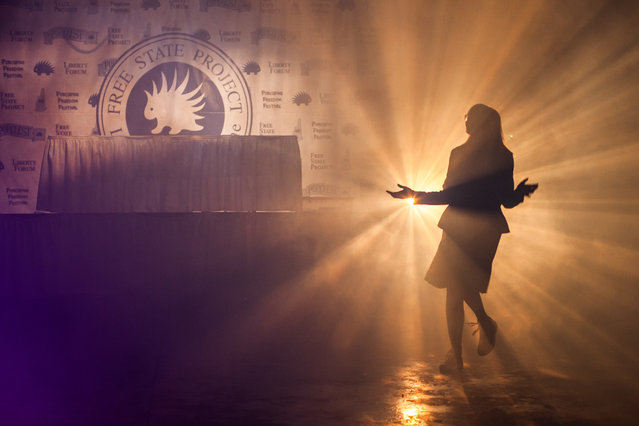
An attendee dances at the start of the “Big Goth Dance Party” during the Porcupine Freedom Festival, or PorcFest, the Free State Project's annual summer gathering in Lancaster, NH on Wednesday, June 25, 2014. (Photo by Matthew Cavanaugh/The Washington Post)

An attendee dances at the start of the “Big Goth Dance Party” during the Porcupine Freedom Festival, or PorcFest, the Free State Project's annual summer gathering in Lancaster, NH on Wednesday, June 25, 2014. (Photo by Matthew Cavanaugh/The Washington Post)
Details
07 Jul 2014 13:05:00
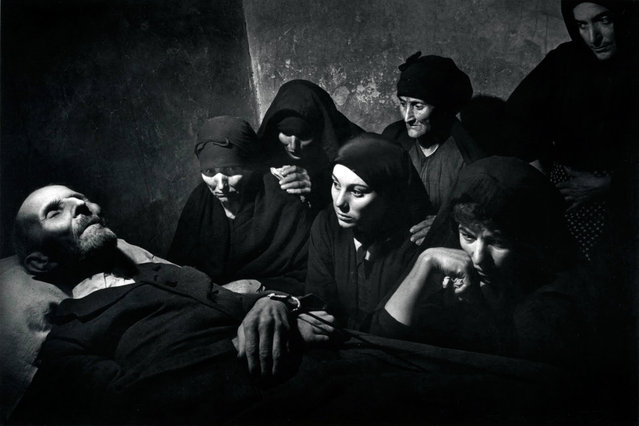
His wife, daughter, granddaughter and friends have their last earthly visit with a villager. (Photo by W. Eugene Smith/Time & Life Pictures)

“Originally published in the April 9, 1951, issue of LIFE magazine, W. Eugene Smith’s photo essay, «Spanish Village», has been lauded for more than six decades as the most moving photographic portrait ever made of daily life in rural Spain during the rule of dictator Francisco Franco”. – Time & Life Pictures. Photo: His wife, daughter, granddaughter and friends have their last earthly visit with a villager. (Photo by W. Eugene Smith/Time & Life Pictures)
Details
30 Apr 2013 10:11:00
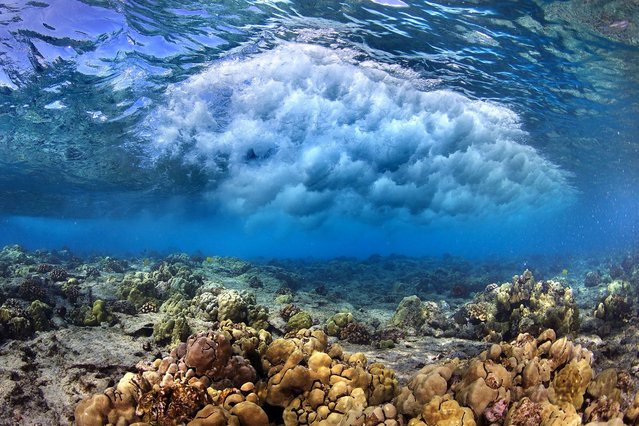
These incredible images capture the immense detail of waves beautifully crashing into the serene waters of Hawaii. (Photo by Bryce Groark/Caters)

These incredible images capture the immense detail of waves beautifully crashing into the serene waters of Hawaii. (Photo by Bryce Groark/Caters)
Details
26 Jun 2013 04:45:00
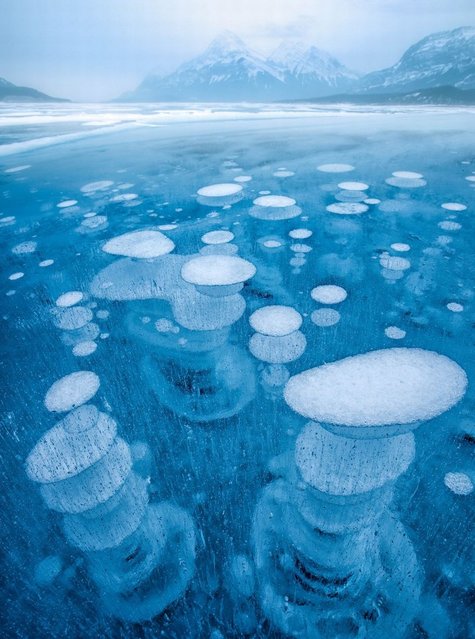
Ice bubbles in Abraham Lake, located at the foot of the Rocky Mountains in Canada. (Photo by Chip Phillips/Rex Features)

Located at the foot of the Rocky Mountains on the North Saskatchewan River, the rare phenomenon occurs each winter in the man-made lake. Photo: Ice bubbles in Abraham Lake. (Photo by Chip Phillips/Rex Features)
Details
27 Jun 2013 07:19:00
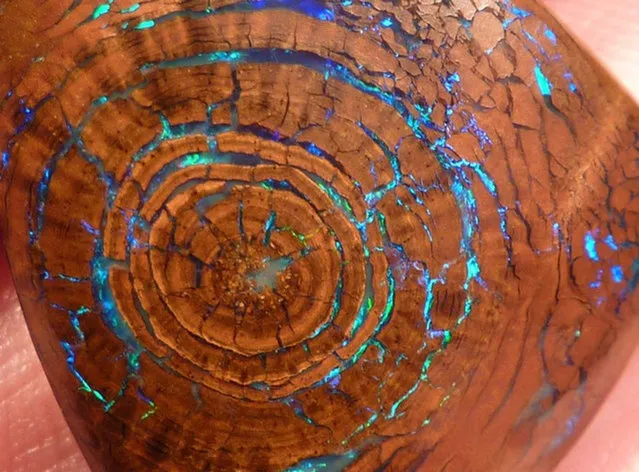
Rare Opalized Wood Metallic Greens

There is an endless bounty of eye-catching gemstones throughout the world and this spectacular boulder opal is one unique beauty that looks like a shimmering crystal encased in a tree fossil. Its opalescent sheen seeps through the cracks of the seemingly wooden rings in lustrous hues of emerald green and aqua blue. Like something out of a fairy tale, the triangular piece radiates through an organic pattern mimicking the growth rings of tree.
Details
17 Nov 2013 13:45:00


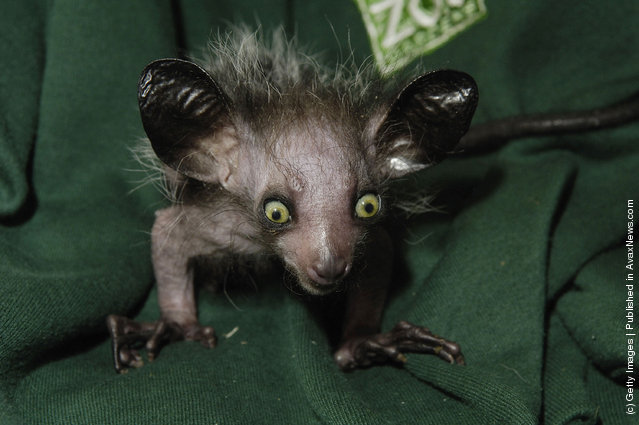
“The aye-aye (Daubentonia madagascariensis) is a lemur, a strepsirrhine primate native to Madagascar that combines rodent-like teeth and a special thin middle finger to fill the same ecological niche as a woodpecker. It is the world's largest nocturnal primate, and is characterized by its unusual method of finding food; it taps on trees to find grubs, then gnaws holes in the wood and inserts its narrow middle finger to pull the grubs out. The only other animal species known to find food in this way is the striped possum. From an ecological point of view the aye-aye fills the niche of a woodpecker as it is capable of penetrating wood to extract the invertebrates within”. – Wikipedia

Photo: In this handout image from Bristol Zoo is seen the first captive bred aye-aye in the UK named “Kintana” (meaning star in Malagasy) April 15, 2005 at Bristol Zoo Gardens, England. The zoo announced today only the second baby aye-aye to be hand-reared in the world (the first was in Jersey Zoo) and has now made his first public appearance since his birth on 11 February 2005. (Photo by Rob Cousins/Bristol Zoo via Getty Images)
Details
13 Apr 2011 13:33:00


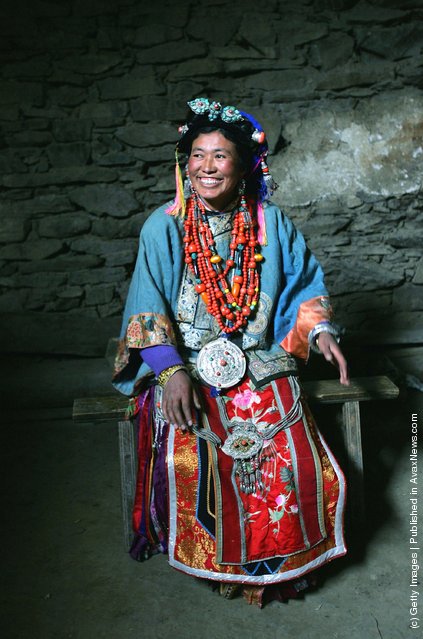
A Tibetan woman displays her Qing Dynasty family dress in Zhailong Village on April 24, 2005 in Danba County of Ganzi Tibetan Autonomous Prefecture, Sichuan Province, China. (Photo by China Photos/Getty Images)
Details
28 Jun 2011 11:20:00