Loading...
Done
Christie Brinkley is seen walking in midtown on August 21, 2019 in New York City. (Photo by Raymond Hall/GC Images)

Christie Brinkley is seen walking in midtown on August 21, 2019 in New York City. (Photo by Raymond Hall/GC Images)
Details
25 Aug 2019 00:01:00
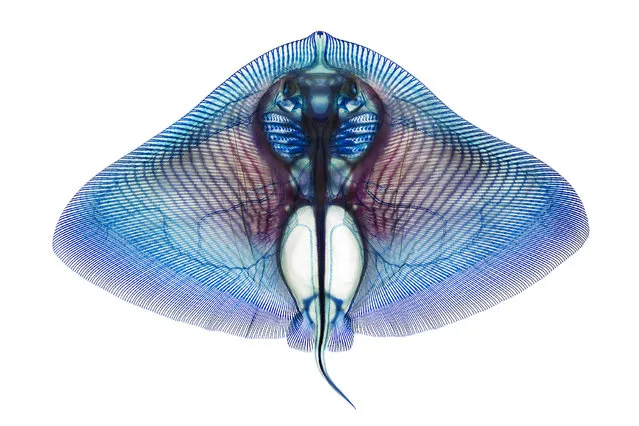
This image of the butterfly ray (Gymnura crebripunctata) helped scientists study the joints in its wings. (Photo by Adam Summers)

The photographs feature fish that have been specially treated to make the stained skeletal tissues visible through the skin and flesh. The technique, developed by Dr. Adam Summers, uses dyes, hydrogen peroxide, a digestive enzyme and glycerin to make the flesh seem to disappear. Photo: This image of the butterfly ray (Gymnura crebripunctata) helped scientists study the joints in its wings. (Photo by Adam Summers)
Details
23 Feb 2014 14:53:00
“Forest lights”. Aurora Borealis over the forest of the Pyhae Luosto National Park, Finland. (Photo and caption by Nicholas Roemmelt/National Geographic Traveler Photo Contest)

The 26th annual National Geographic Traveler Photo Contest is now accepting submissions. Official categories include: “Travel Portraits”, “Outdoor Scenes”, “Sense of Place” and “Spontaneous Moments”. The contest is accepting entries until June 30. Photo: “Forest lights”. Aurora Borealis over the forest of the Pyhae Luosto National Park, Finland. (Photo and caption by Nicholas Roemmelt/National Geographic Traveler Photo Contest)
Details
30 Mar 2014 08:02:00
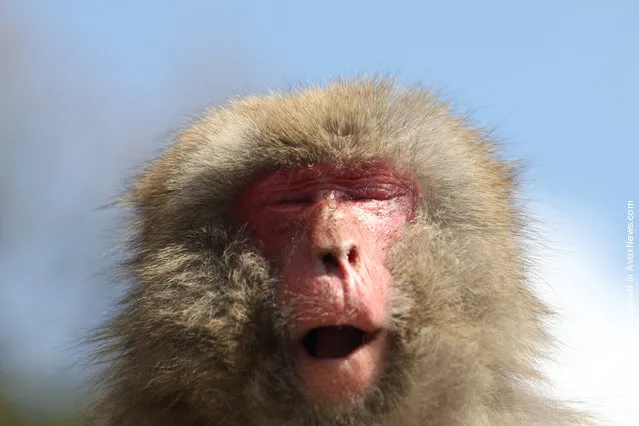
A 19-year-old Japanese macaque monkey named Monday sneezes while suffering an allergy to pollen from the cedar tree, at Awajishima Monkey Center

A 19-year-old Japanese macaque monkey named Monday sneezes while suffering an allergy to pollen from the cedar tree, at Awajishima Monkey Center on March 26, 2012 in Sumoto, Hyogo, Japan. Some twenty monkeys are suffering the effects of hay fever at this time of the year, with the typical symptoms being the same as with humans. (Photo by Buddhika Weerasinghe/Getty Images)
Details
27 Mar 2012 10:01:00
A folk artist shakes iron nets with hot charcoals to create sparks during Huohu (fire pot) performance on December 28, 2024 in Nanjing, Jiangsu Province of China. (Photo by VCG/VCG via Getty Images)

A folk artist shakes iron nets with hot charcoals to create sparks during Huohu (fire pot) performance on December 28, 2024 in Nanjing, Jiangsu Province of China. (Photo by VCG/VCG via Getty Images)
Details
13 Jan 2025 02:55:00
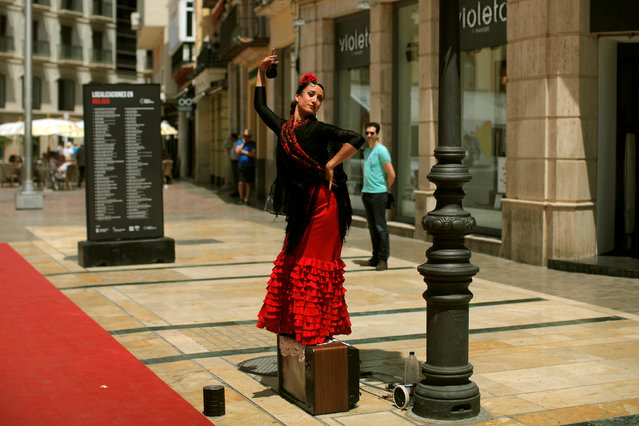
A woman, wearing a traditional Sevillana dress, performs as she asks for alms in downtown Malaga, Spain, April 28, 2016. (Photo by Jon Nazca/Reuters)

A woman, wearing a traditional Sevillana dress, performs as she asks for alms in downtown Malaga, Spain, April 28, 2016. (Photo by Jon Nazca/Reuters)
Details
29 Apr 2016 12:11:00
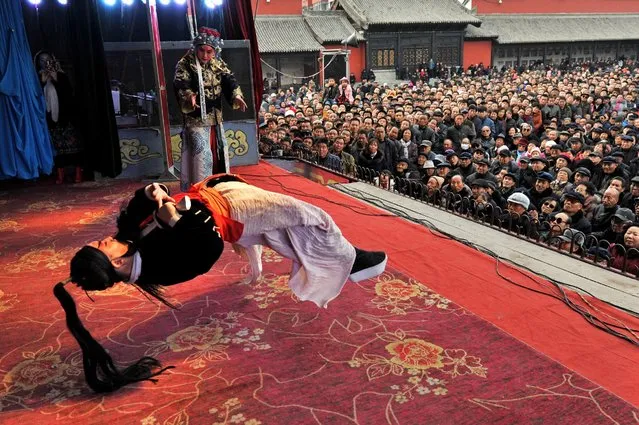
Folk artists perform at an local opera ahead of Lantern Festival to celebrate Lunar New Year, in Tianshui, Gansu province, China, February 10, 2017. (Photo by Reuters/Stringer)

Folk artists perform at an local opera ahead of Lantern Festival to celebrate Lunar New Year, in Tianshui, Gansu province, China, February 10, 2017. (Photo by Reuters/Stringer)
Details
14 Feb 2017 00:04:00
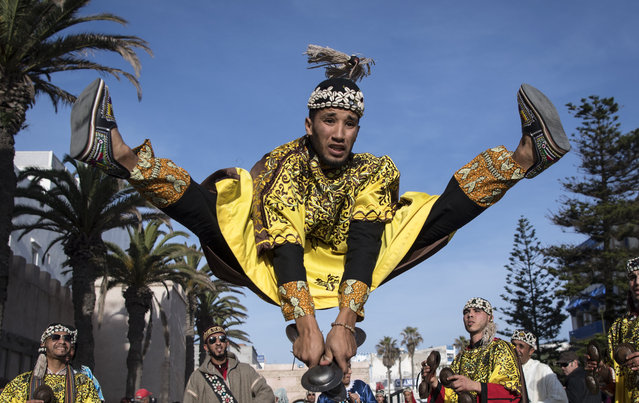
A Gnawa traditional group performs in the city of Essaouira on December 14, 2019, to celebrate the decision of adding the Gnawa culture to UNESCO's list of Intangible Cultural Heritage of Humanity. Gnawa culture, a centuries-old Moroccan practice rooted in music, African rituals and Sufi traditions, was added to UNESCO's list of Intangible Cultural Heritage of Humanity earlier in the week. Gnawa refers to a “set of musical productions, fraternal practices and therapeutic rituals where the secular mixes with the sacred”, according to the nomination submitted by Morocco. Often dressed in colourful outfits, Gnawa musicians play the guenbri, a type of lute with three strings, accompanied by steel castanets called krakebs. (Photo by Fadel Senna/AFP Photo)


A Gnawa traditional group performs in the city of Essaouira on December 14, 2019, to celebrate the decision of adding the Gnawa culture to UNESCO's list of Intangible Cultural Heritage of Humanity. Gnawa culture, a centuries-old Moroccan practice rooted in music, African rituals and Sufi traditions, was added to UNESCO's list of Intangible Cultural Heritage of Humanity earlier in the week. Gnawa refers to a “set of musical productions, fraternal practices and therapeutic rituals where the secular mixes with the sacred”, according to the nomination submitted by Morocco. Often dressed in colourful outfits, Gnawa musicians play the guenbri, a type of lute with three strings, accompanied by steel castanets called krakebs. (Photo by Fadel Senna/AFP Photo)
Details
18 Dec 2019 00:05:00