Loading...
Done
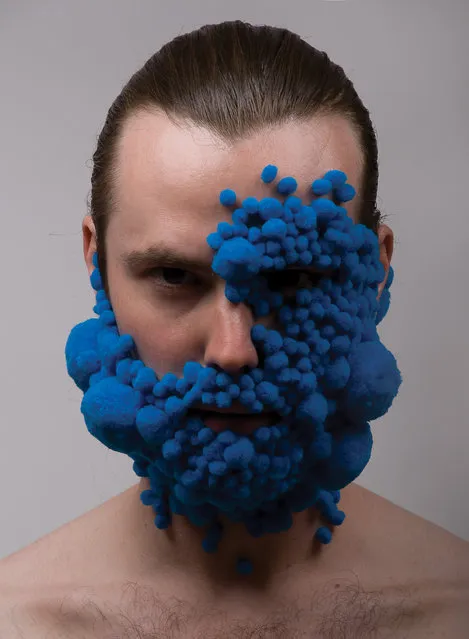
Mutants

The STRP mutants were designed by Bart Hess together with Heyheyhey for the 2011 STRP Art & Technology Festival campaign. The mutants evolved around the idea of transformation. They visualize movement and the ever changing boundaries between the different disciplines: art, music and technology.
Details
08 Jun 2012 11:03:00


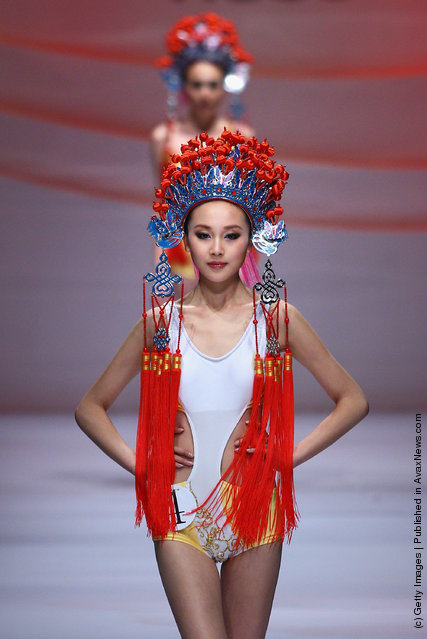
Models present creation for the 7th Hosa Cup China Swimwear Design contest and Hosa Swimwear Trend fashion show on day five of China Fashion Week A/W 2011 on March 28, 2011 in Beijing, China (Photo by Feng Li/Getty Images)
Details
02 Apr 2011 07:07:00


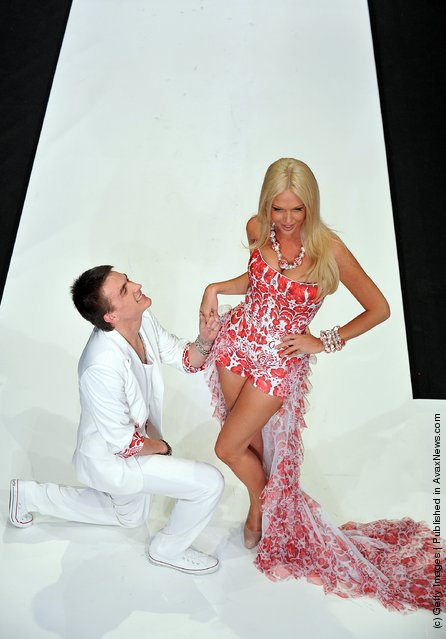
Singer Vlad Topalov and model Victoria Lopyreva wear creations by designer YanaStasia on day 5 of the Mercedes-Benz Fashion Week Russia Fall/Winter 2011/2012 at the Congress Hall on April 4, 2011 in Moscow, Russia. (Photo by Pascal Le Segretain/Getty Images)
Details
08 Apr 2011 12:18:00


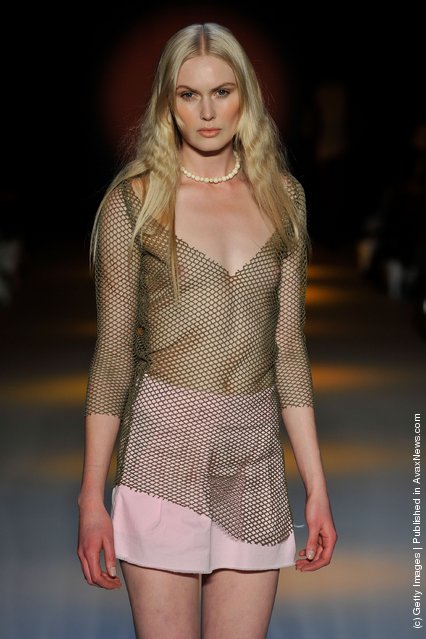
A model showcases designs by Antonia Paris during the Women's RTW 3 catwalk during Rosemount Australian Fashion Week Spring/Summer 2011/12 at Overseas Passenger Terminal on May 5, 2011 in Sydney, Australia. (Photo by Stefan Gosatti/Getty Images)
Details
09 May 2011 10:02:00
New Zealand Fashion Week 2011 Twenty Seven Names

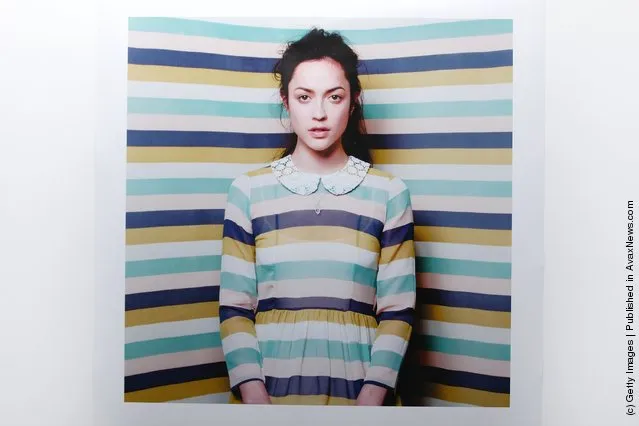
A model showcases designs by Twenty Seven Names in a photograph as part of New Zealand Fashion Week 2011 at a Newton Gallery on August 30, 2011 in Auckland, New Zealand. (Photo by Sandra Mu/Getty Images)
Details
30 Aug 2011 14:18:00
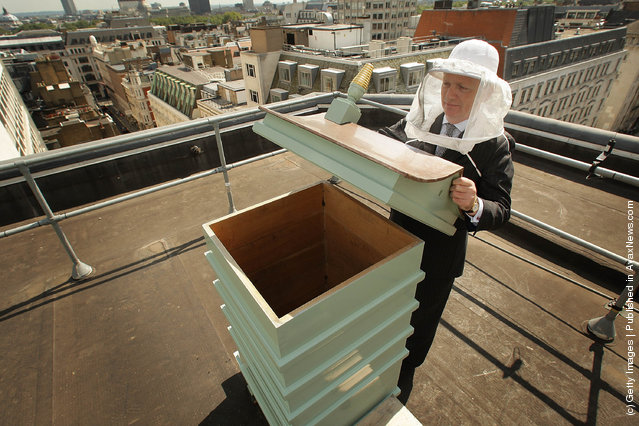
Fortnum And Mason Beehives Take Up Residence On The Roof

Jonathan Miller, sweet grocery buyer and bee hive designer, checks the bees on the roof at Fortnum and Mason on July 22, 2008 in London. (Photo by Peter Macdiarmid/Getty Images)
Details
02 Dec 2011 09:34:00
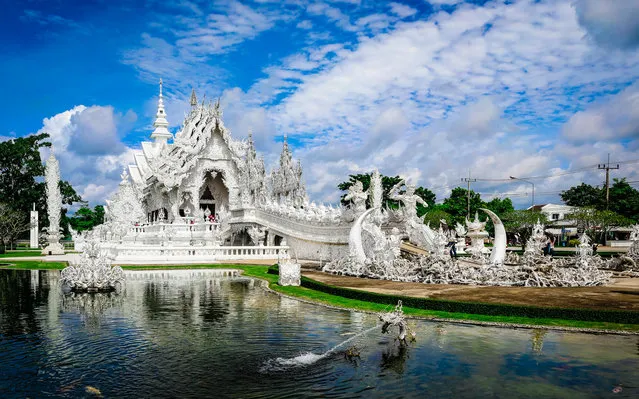
Wat Rong Khun Temple In Chiang Rai Thailand

Wat Rong Khun (Thai: วัดร่องขุ่น), more well-known among foreigners as the White Temple, is a contemporary unconventional Buddhist temple in Chiang Rai Province, Thailand. It was designed by Chalermchai Kositpipat in 1997.
Details
17 Aug 2014 08:29:00
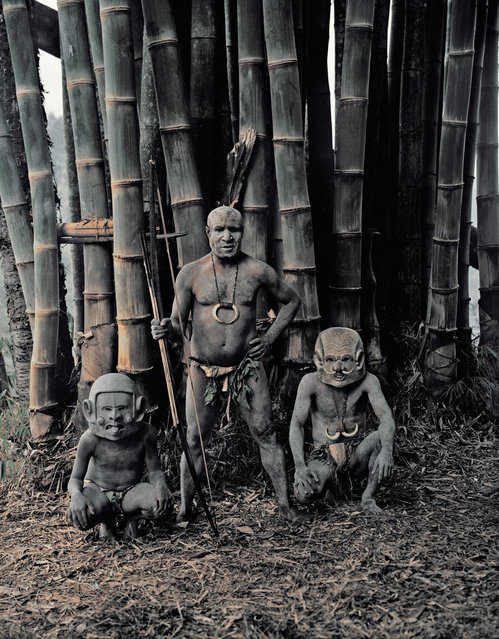
“Asaro from the Eastern Highlands”. The mudmen could not cover their faces with mud because the people of Papua New Guinea thought that the mud from the Asaro river was poisonous. So instead of covering their faces with this alleged poison, they made masks from pebbles that they heated and water from the waterfall, with unusual designs such as long or very short ears either going down to the chin or sticking up at the top, long joined eyebrows attached to the top of the ears, horns and sideways mouths. (Jimmy Nelson)

“Asaro from the Eastern Highlands”. The mudmen could not cover their faces with mud because the people of Papua New Guinea thought that the mud from the Asaro river was poisonous. So instead of covering their faces with this alleged poison, they made masks from pebbles that they heated and water from the waterfall, with unusual designs such as long or very short ears either going down to the chin or sticking up at the top, long joined eyebrows attached to the top of the ears, horns and sideways mouths. (Photo and caption by Jimmy Nelson)
Details
20 Oct 2013 08:54:00