Loading...
Done
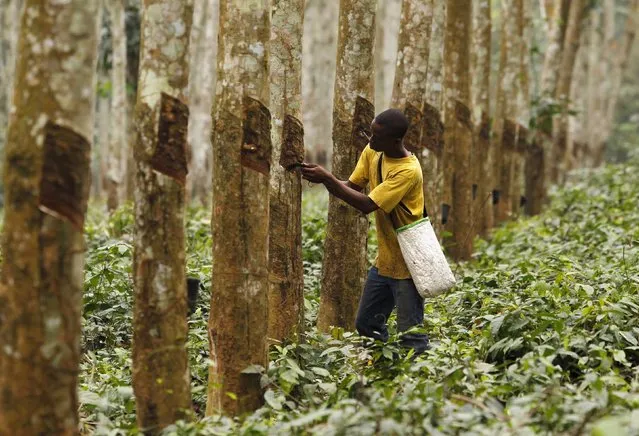
A worker collects rubber sap at a farm in Songon village, north of Abidjan, February 3, 2016. (Photo by Luc Gnago/Reuters)

A worker collects rubber sap at a farm in Songon village, north of Abidjan, February 3, 2016. (Photo by Luc Gnago/Reuters)
Details
12 Feb 2016 12:59:00
Maeklong Railway Market. (Photo by Trent Strohm)

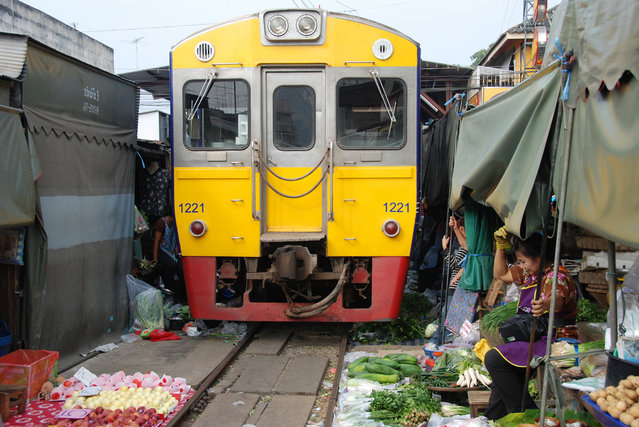
“Maeklong Railway Market, located in Samut Songkhram, Thailand, around 37 miles west of Bangkok, looks like any other open-air market in Asia. HOWEVER...”. – Kaushik via Amusing Planet. Photo: Maeklong Railway Market (Photo by Trent Strohm)
Details
04 Jan 2013 16:16:00
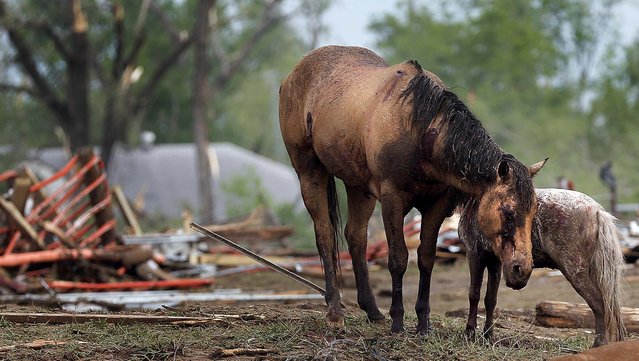
Injured horses huddle together in Oklahoma City on Monday. (Photo by Chris Landsberger/The Oklahoman)

Injured horses huddle together in Oklahoma City on Monday. (Photo by Chris Landsberger/The Oklahoman)
Details
23 May 2013 11:35:00
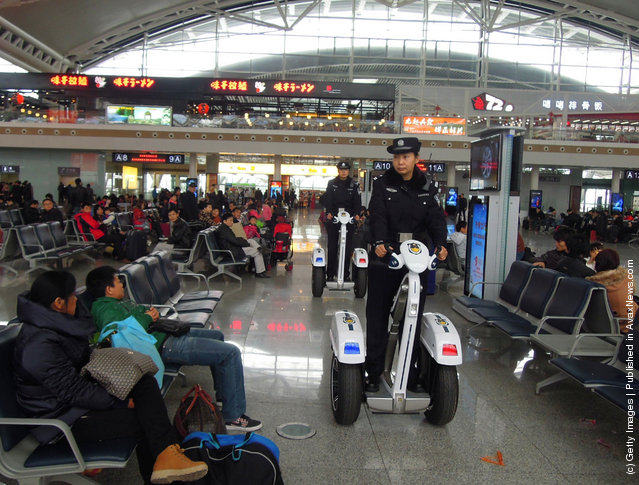
Police women ride Segways as they patrol at Guangzhou South Railway Station in Guangzhou, China

Police women ride Segways as they patrol at Guangzhou South Railway Station on Jaunary 4, 2012 in Guangzhou, China. (Photo by ChinaFotoPress/ChinaFotoPress via Getty Images)
Details
04 Jan 2012 14:14:00
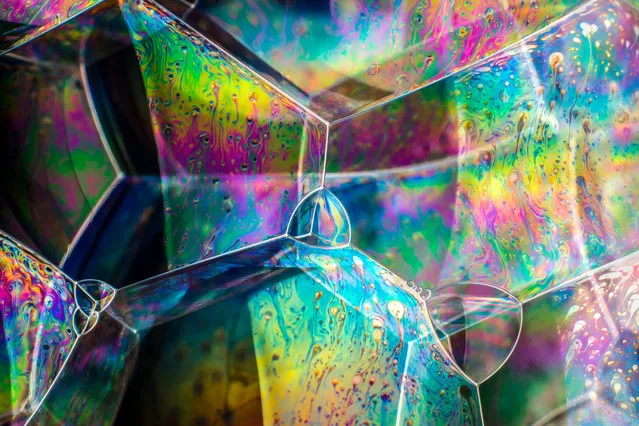
Soap Bubble Structures by Kym Cox. Bubbles optimise space and minimise their surface area for a given volume of air. This phenomenon makes them a useful tool in many areas of research, in particular, materials science and ‘packing’ – how things fit together. Bubble walls drain under gravity, thin at the top, thick at the bottom, which interferes with travelling lightwaves to create bands of colour. Black spots show the wall is too thin for interference colours, indicating the bubble is about to burst. (Photo by Kym Cox/2019 Science Photographer of the Year/RPS)

Soap Bubble Structures by Kym Cox. Bubbles optimise space and minimise their surface area for a given volume of air. This phenomenon makes them a useful tool in many areas of research, in particular, materials science and “packing” – how things fit together. Bubble walls drain under gravity, thin at the top, thick at the bottom, which interferes with travelling lightwaves to create bands of colour. Black spots show the wall is too thin for interference colours, indicating the bubble is about to burst. (Photo by Kym Cox/2019 Science Photographer of the Year/RPS)
Details
15 Aug 2019 00:03:00
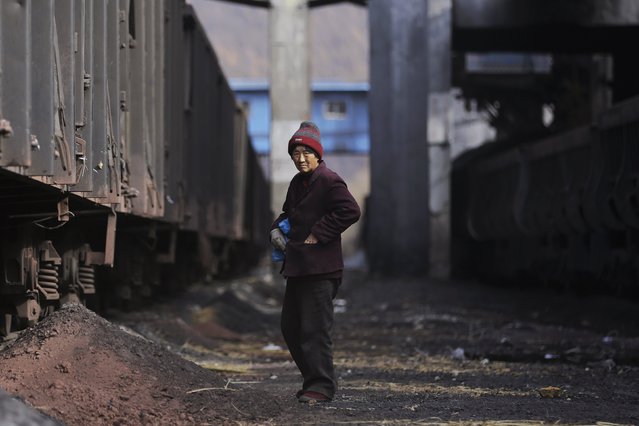
A rag-and-bone woman stands next to carriages of a coal train outside a coal mine of the state-owned Longmay Group on the outskirts of Jixi, in Heilongjiang province, China, October 22, 2015. (Photo by Jason Lee/Reuters)

A rag-and-bone woman stands next to carriages of a coal train outside a coal mine of the state-owned Longmay Group on the outskirts of Jixi, in Heilongjiang province, China, October 22, 2015. (Photo by Jason Lee/Reuters)
Details
07 Nov 2015 08:00:00
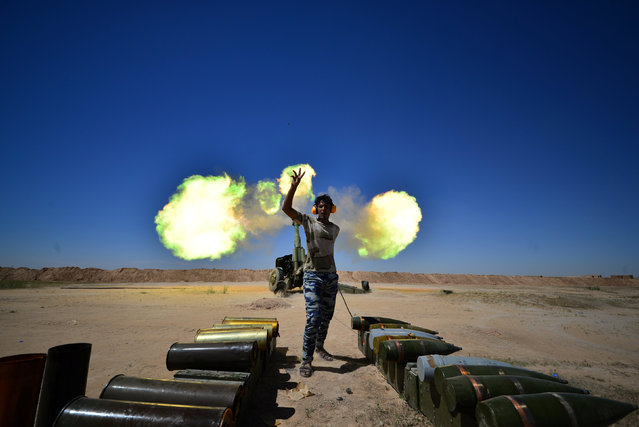
Iraqi paramilitary troops fire towards Islamic State militants during a battle with Islamic State militants on the outskirts of the ancient city of Hatra near Mosul,Iraq April 26, 2017. (Photo by Reuters/Stringer)

Iraqi paramilitary troops fire towards Islamic State militants during a battle with Islamic State militants on the outskirts of the ancient city of Hatra near Mosul,Iraq April 26, 2017. (Photo by Reuters/Stringer)
Details
20 May 2017 09:50:00
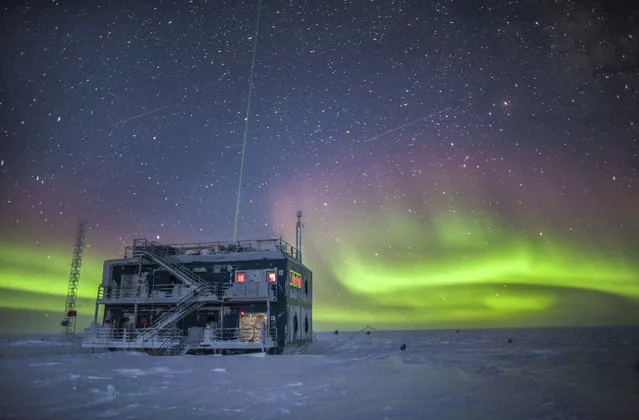
This undated photo provided by NOAA in May 2018 shows aurora australis near the South Pole Atmospheric Research Observatory in Antarctica. When a hole in the ozone formed over Antarctica, countries around the world in 1987 agreed to phase out several types of ozone-depleting chemicals called chlorofluorocarbons (CFCs). Production was banned, emissions fell and the hole shriveled. But according to a study released on Wednesday, May 16, 2018, scientists say since 2013, there’s more of a banned CFC going into the atmosphere. (Photo by Patrick Cullis/NOAA via AP Photo)

This undated photo provided by NOAA in May 2018 shows aurora australis near the South Pole Atmospheric Research Observatory in Antarctica. When a hole in the ozone formed over Antarctica, countries around the world in 1987 agreed to phase out several types of ozone-depleting chemicals called chlorofluorocarbons (CFCs). Production was banned, emissions fell and the hole shriveled. But according to a study released on Wednesday, May 16, 2018, scientists say since 2013, there’s more of a banned CFC going into the atmosphere. (Photo by Patrick Cullis/NOAA via AP Photo)
Details
15 Aug 2018 00:05:00