Loading...
Done
A half-naked shrine parishioner using a wooden tub pours cold water onto himself during an annual cold-endurance festival at the Kanda Myojin Shinto shrine in Tokyo, Saturday, January 10, 2015. Pouring cold water on their bodies is believed to purify their souls. (Photo by Eugene Hoshiko/AP Photo)

A half-naked shrine parishioner using a wooden tub pours cold water onto himself during an annual cold-endurance festival at the Kanda Myojin Shinto shrine in Tokyo, Saturday, January 10, 2015. Pouring cold water on their bodies is believed to purify their souls. (Photo by Eugene Hoshiko/AP Photo)
Details
11 Jan 2015 12:52:00
This photo provided by Running Press and Quarto, Inc. shows Feline Fox from the book, “Cats in Hats”, published by Running Press. The book released on March 24, 2015. (Photo by Liz Coleman/Running Press/Quarto, Inc. via AP Photo)

This photo provided by Running Press and Quarto, Inc. shows Feline Fox from the book, “Cats in Hats”, published by Running Press. The book released on March 24, 2015. (Photo by Liz Coleman/Running Press/Quarto, Inc. via AP Photo)
Details
22 Apr 2015 09:24:00
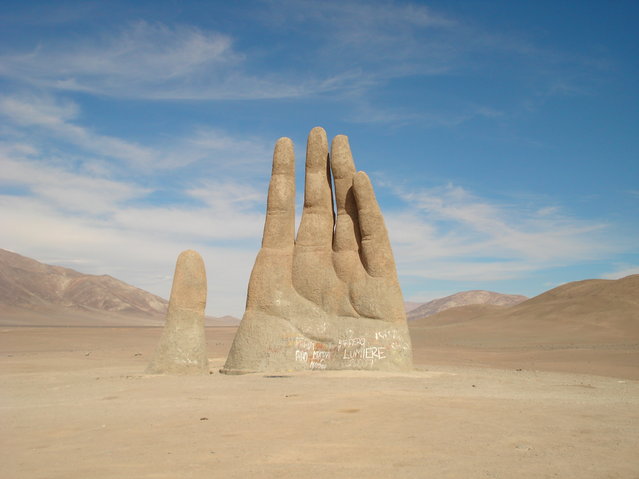
The Giant Hand of Atacama

The Mano de Desierto is a large-scale sculpture of a hand located in the Atacama Desert in Chile, 75 km to the south of the city of Antofagasta, on the Panamerican Highway. The nearest point of reference is the “Ciudad Empresarial La Negra” (La Negra Business City). The sculpture was constructed by the Chilean sculptor Mario Irarrázabal at an altitude of 1,100 meters above sea level. Irarrázabal used the human figure to express emotions like injustice, loneliness, sorrow and torture. Its exaggerated size is said to emphasize human vulnerability and helplessness. The work has a base of iron and cement, and stands 11 metres (36 ft) tall. Funded by Corporación Pro Antofagasta, a local booster organization, the sculpture was inaugurated on March 28, 1992.
Details
21 Dec 2013 10:18:00
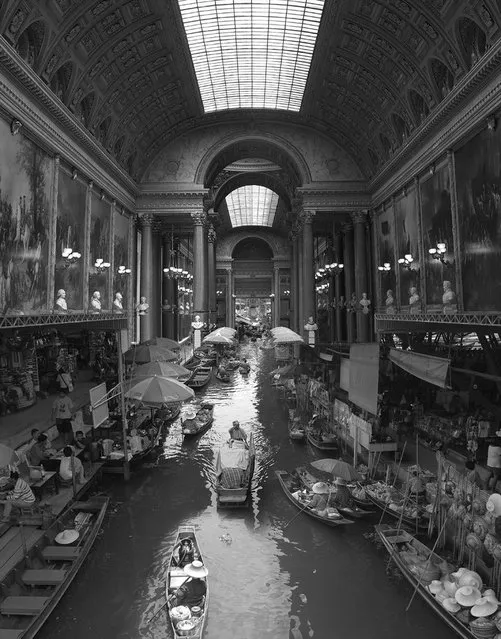
Art By Thomas Barbey

Thomas Barbèy grew up in Geneva, Switzerland, across the street from the “Caran D'ache” factory, the largest manufacturer of art supplies. He started drawing seriously at the age of 13, using black “encre de Chine” and gouaches for color. His influences were Philippe Druillet, Roger Dean and H.R. Giger. After living in Geneva for 17 years and designing posters for musical bands, he decided to move to Italy, where he lived in Milan for 15 years making a living as a successful recording artist, lyricist and fashion photographer.
Details
26 Sep 2013 10:31:00
Photography By Jesus Chapa-Malacara

Photographer and former dancer Jesús Chapa-Malacara, head of art production company fotosjcm, announces the launch of Esprit de Corps, an innovative book of ballet photography unlike any seen before. The high-end art book, currently being independently financed and offered exclusively through a Kickstarter campaign, will feature world-class dancers from top ballet companies, including Michaela DePrince of Dutch National Ballet, Jared Matthews and Yuriko Kajiya of American Ballet Theatre, among others.
Details
03 Aug 2013 08:44:00
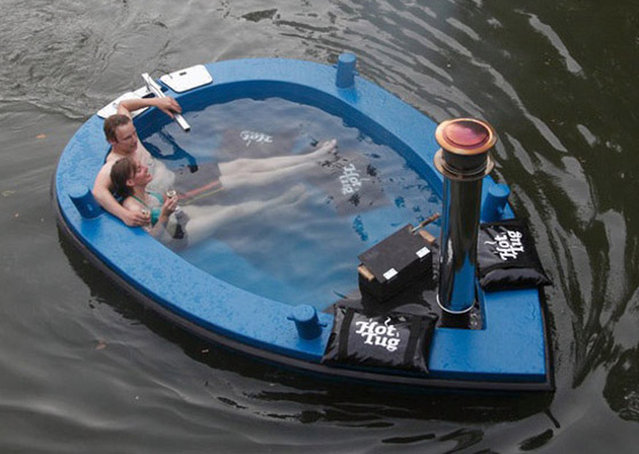
The Hot Tub Tug Boat

Slow walks along the river or lake in a small boat, meant for two passengers, this is a very nice and romantic. This game is very popular among honeymooners or couples who have recently together and have not lost to the heat and intensity of feelings that push young people to the incredible things. How to convert such travel in a more romantic, and healthy, invented Dutch designer Frank de Bruijn , “crossed” a boat and a bath-tub and calling a hybrid HotTug Boat.
Details
02 Nov 2012 11:56:00


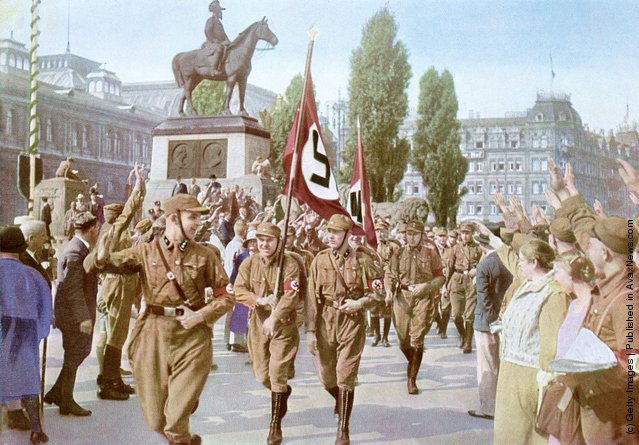
“Horst Ludwig Wessel (October 9, 1907 – February 23, 1930) was a German Nazi activist who was made a posthumous hero of the Nazi movement following his violent death in 1930. He was the author of the lyrics to the song “Die Fahne hoch” (“The Flag On High”), usually known as Horst-Wessel-Lied (“The Horst Wessel Song”), which became the Nazi Party anthem and, de facto, Germany's co-national anthem from 1933 to 1945”. – Wikipedia

Photo: German Nazi activist Horst Wessel (left) at the head of a parade of S.A. stormtroopers, or “brownshirts”, in Nuremberg, Germany, 1929. (Photo by Hulton Archive/Getty Images)
Details
08 Jul 2011 09:38:00
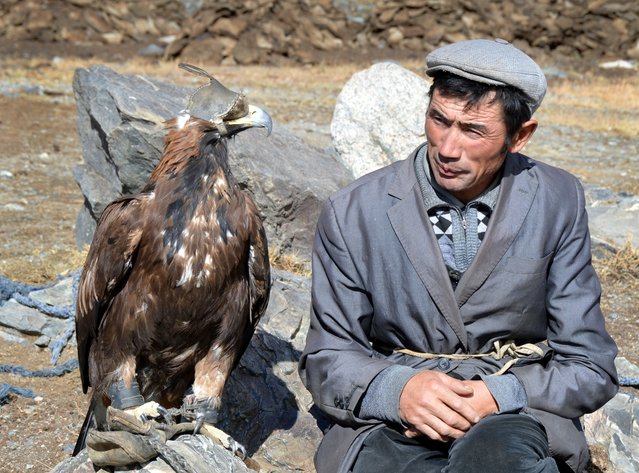
Hunter Berek and his eagle outside his home. (Photo by Brad Ruoho/The Star Tribune)

“I’d come to the Altai Mountains on an Adventure Sherpas tour. Our group of 12 was made up mostly of Minnesotans who’d left warm weather and falling leaves for frosty Mongolia. We’d come to sleep in cozy ger tents, the traditional yurt abode of the Mongolian steppe; sip mare’s milk tea; climb mountain glaciers; ride horses to an ancient battle site, and attend the annual Eagle Hunting Festival in Ölgiy...”. – Kathryn Kysar via The Star Tribune. Here: hunter Berek and his eagle outside his home. (Photo by Brad Ruoho/The Star Tribune)
Details
11 Jan 2015 12:57:00