Loading...
Done


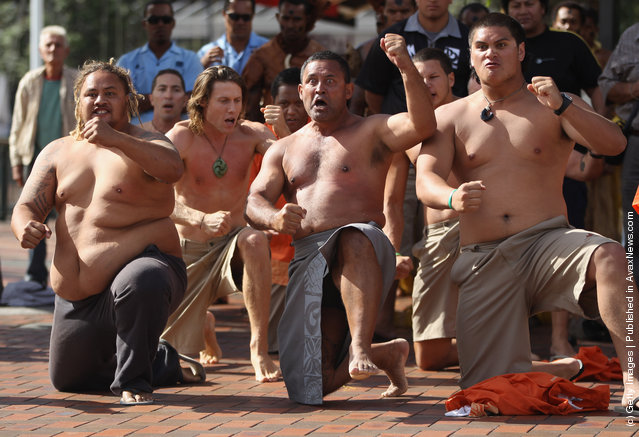
A Haka is performed before the ceremonial departure of the 'vaka' or traditional canoes ahead of their cross-Pacific voyage from Viaduct Harbour on April 13, 2011 in Auckland, New Zealand. Powered by sun and wind only, the 15,000 nautical mile journey to Hawaii via French Polynesia will set off on April 15, aiming to raise awareness of environmental issues such as ocean noise pollution, acidification and anoxic waters, whilst recapturing traditional Pacific voyaging. The votyage is named “Te Mana o Te Moana” meaning “The Spirit of the Sea”. (Photo by Phil Walter/Getty Images)
Details
13 Apr 2011 07:45:00
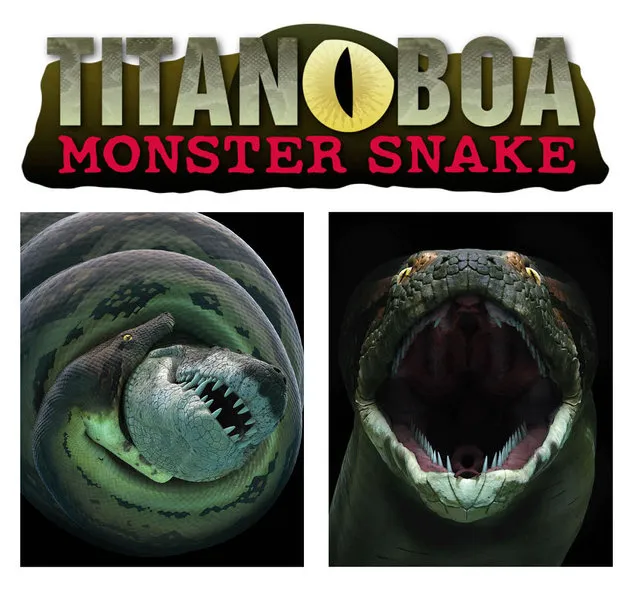
Titanoboa: Monster Snake

Titanoboa, meaning "titanic boa," is an extinct genus of snake that lived approximately 60–58 million years ago, during the Paleocene epoch, a 10-million-year period immediately following the dinosaur extinction event. The only known species is Titanoboa cerrejonensis, the largest, longest, and heaviest snake ever discovered, which supplanted the previous record holder, Gigantophis.

A full-scale model of the snake was unveiled at New York City's Grand Central station before the exhibit opens at the Smithsonian in Washington DC.
Details
06 Feb 2014 12:38:00
Ephemeral Lighting Installation By (Fos)

(fos) is the name of the first ephemeral installation by the multidisciplinary team (fos). It means light in Greek and melted in Catalan. In this project has been represented by a skin that covers both vertical and horizontal surfaces. The protected façade of the vegan restaurant Rayen at Lope de Vega street in Madrid has been illuminated for 4 days and nights by more than 250lm of yellow duct tape, painted décor items, pineapples and... a lamp. A visual game between perspective and colored volumes that gained the looks.
Details
10 Apr 2014 12:16:00
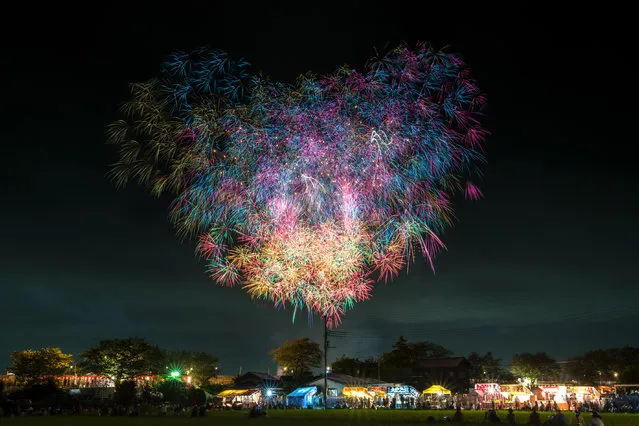
Tsuchiura National Fireworks Competition, Tsuchiura City, Ibaraki Prefecture. (Photo by Makoto Igari/Caters News Agency)

These kaleidoscopic images showcase the sheer beauty of the mammoth firework displays held across Japan every summer. The Japanese word for fireworks, hanabi, means fire flower, and each year, local governments in Japan throw around 7,000 festivals, or hanabi taikai. Here: Tsuchiura National Fireworks Competition, Tsuchiura City, Ibaraki Prefecture. (Photo by Makoto Igari/Caters News Agency)
Details
25 Sep 2018 00:01:00


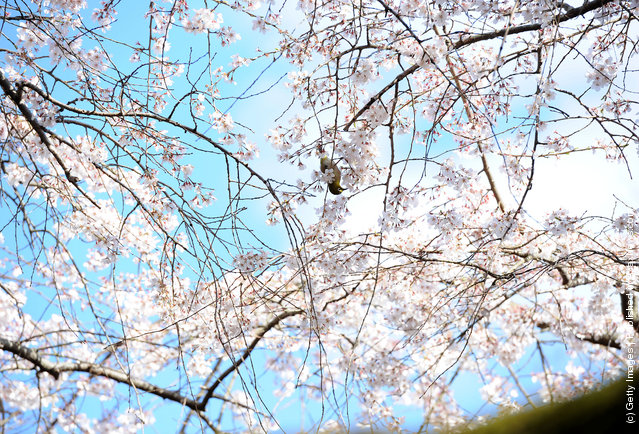
A Japanese white-eye is seen on a branch of cherry blossoms at Kyoto Imperial Palace on March 26, 2010 in Kyoto, Japan. (Photo by Akihiro I/Getty Images)
Details
26 Mar 2011 11:11:00


Is it worth eating live beings? This is a philosophical question: the history of our species and the ontology of being are saying that it's more likely yes, and on the other hand your mind and empathy are more likely to be against this idea. Or at least like in this Korean clip – eat, but with tears in your eyes.
Details
05 Jan 2019 13:13:00
Kenny Wallace, driver of the #09 Family Farmers Toyota, spins into Justin Allgaier, driver of the #31 Brandt Chevrolet, who is lifted into the air by Reed Sorenson, driver of the #52 Means Racing Chevrolet, as Michael Annett, driver of the #43 Pilot Flying J Ford, tries to avoid the wreckage during the NASCAR Nationwide Series DRIVE4COPD 300 at Daytona International Speedway

Kenny Wallace, driver of the #09 Family Farmers Toyota, spins into Justin Allgaier, driver of the #31 Brandt Chevrolet, who is lifted into the air by Reed Sorenson, driver of the #52 Means Racing Chevrolet, as Michael Annett, driver of the #43 Pilot Flying J. Ford, tries to avoid the wreckage during the NASCAR Nationwide Series DRIVE4COPD 300 at Daytona International Speedway on February 25, 2012 in Daytona Beach, Florida. (Photo by John Harrelson/Getty Images for NASCAR)
Details
26 Feb 2012 11:42:00
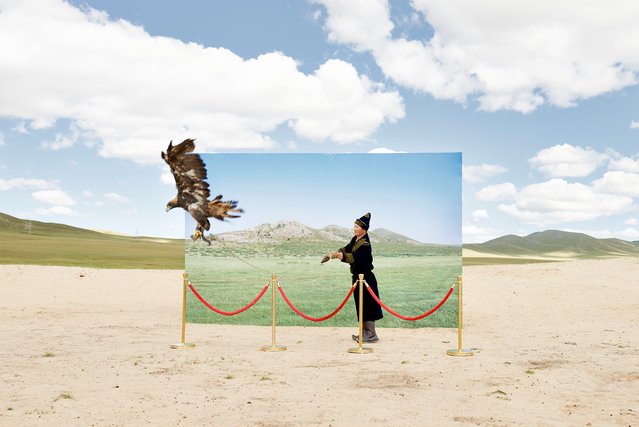
Up to 35% of Mongolians still live a nomadic life, depending on their land to survive. But environmental changes, particularly desertification, means this way of life is under threat. Korean photographer Daesung Lee’s Futuristic Archaeology images show billboard-size backdrops of lush steppe contrasting with actual scenery as former nomads enact scenes of hunting, herding and Mongolian wrestling. (Photo by Daesung Lee)

Up to 35% of Mongolians still live a nomadic life, depending on their land to survive. But environmental changes, particularly desertification, means this way of life is under threat. Korean photographer Daesung Lee’s Futuristic Archaeology images show billboard-size backdrops of lush steppe contrasting with actual scenery as former nomads enact scenes of hunting, herding and Mongolian wrestling. (Photo by Daesung Lee)
Details
24 Nov 2016 08:01:00