Loading...
Done


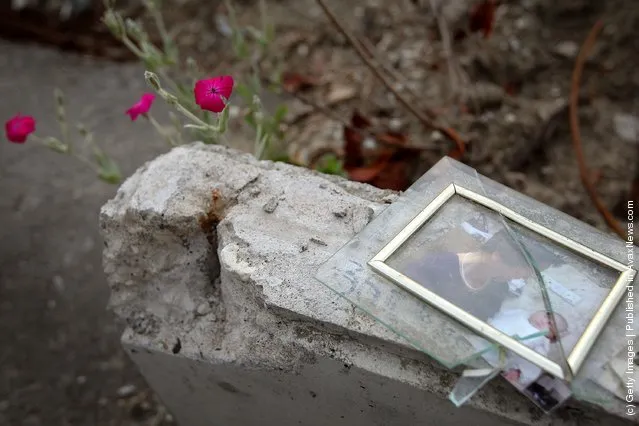
A broken picture frame is left in the tsunami-hit Arahama area, three months and two days after the magnitude 9.0 earthquake and subsequent tsunami on June 13, 2011 in Sendai, Miyagi, Japan. Japanese government has been struggling to deal with the earthquake and tsunami as well as the troubled Fukushima Daiichi Nuclear Power Plant. The fear on outbreak of virus infectious disease are mounting due to the humid rainy season on the corner and delay of the clearing the debris. (Photo by Kiyoshi Ota/Getty Images)
Details
14 Jun 2011 09:23:00


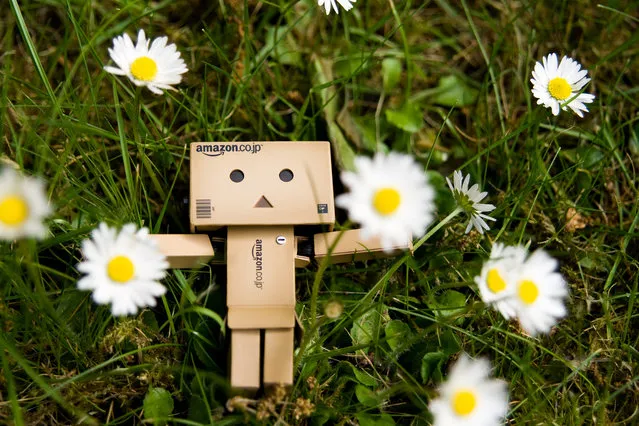
The name Danbo is a pun on the Japanese word for corrugated cardboard “danboru” (ダンボー). There’s also a company in Japan which makes cardboard boxes which has Danbooru in its name.
Details
08 May 2012 02:28:00
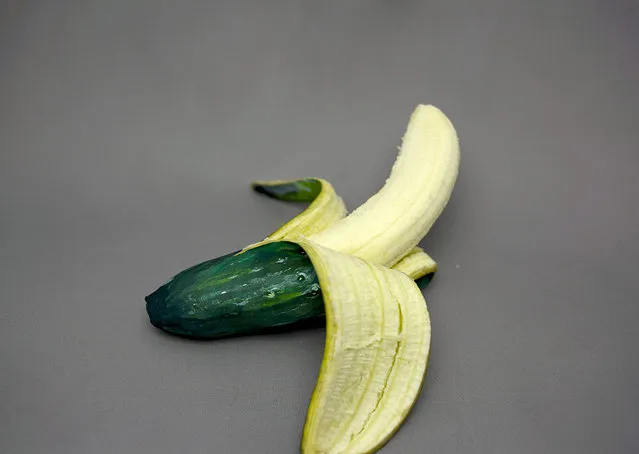
It’s Not What It Seems By Artist Hikaru Cho

Japanese artist Hikaru Cho is already well-known for her bizarre and realistic body paintings, but now the Tokyo-based artist has applied her talent to everyday food items as well. In her playful “It’s Not What It Seems” series, she turns common foods into other kinds of food using only acrylic paint and her extraordinary talent.
Details
22 Mar 2014 11:32:00
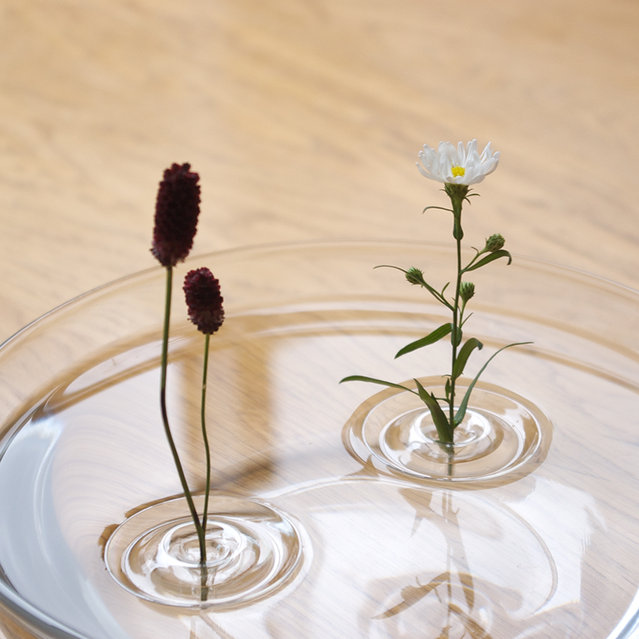
Floating Vases By ooDesign

This vase is simple as a piece of cake but it’s so special at the same time – it’s Floating Ripple vase by ooDesign. It’s a piece manufactured in glass that allows any transparent vase to look like ripples in water.
Long-stemmed flowers float vertically in the water and according to the movement of the air, they change their position within the container – so, what can I say? Japanese designers continue to create genially simple and natural-looking philosophic pieces that inspire everybody.
Details
14 Jun 2015 08:58:00


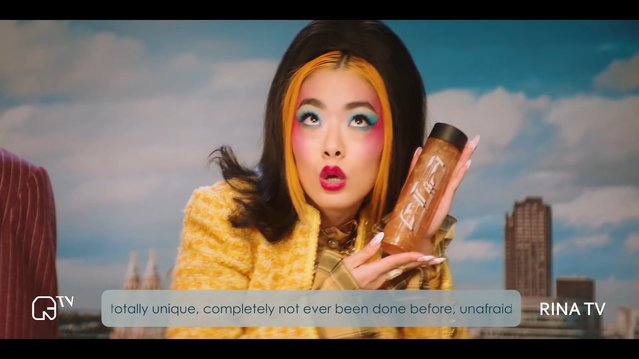
Rina Sawayama – XS (Official Video). Rina Sawayama is a Japanese-British singer, songwriter and model. Born in Niigata, she was raised from a young age in London, where she currently resides. Her debut extended play, Rina, was released in 2017, before her debut studio album, Sawayama, was released on 17 April 2020.
Details
28 Jul 2020 00:03:00
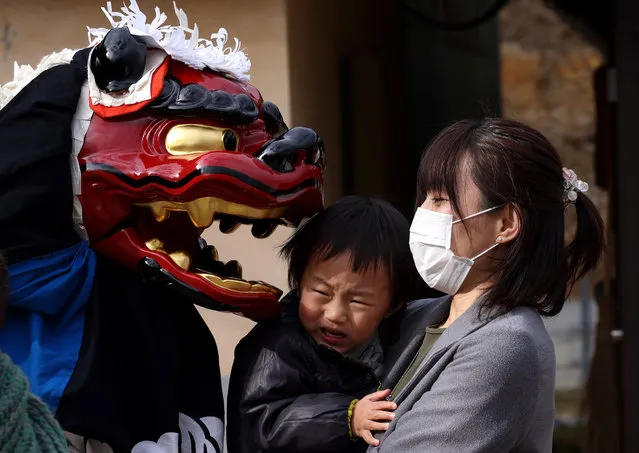
A performer wearing a lion mask performs the Ise Daikagura lion dance at the remote village of Yamanawa on February 08, 2021 in Ryuo, Japan. Ise Daikagura is a group of traditional Lion Dance performers who pray in front of farmers houses and businesses for good grain harvests and disease-free lives. Performers play sacred music using drums and flutes with two lion mask dancers. A lion mask is considered a symbol of God, who enters the house and performs in front of the Shinto God, a statue placed inside the house, mostly in the kitchen. These prayers are called “Kamodo Barai”. After the prayers, they are gifted with money, rice, sake and Japanese sweets from the householders. A group can travel for more than one hundred days to thousands of households and businesses throughout rural-villages in western Japan, and pray to those who are unable to visit the country’s most sacred shrine, the Grand Ise Shrine in Mie Prefecture. The group started its performance in the Edo era between 1603 to 1868 according to Japanese history. The Japanese government designated it as an important folk cultural national property in 1981. (Photo by Buddhika Weerasinghe/Getty Images)

A performer wearing a lion mask performs the Ise Daikagura lion dance at the remote village of Yamanawa on February 08, 2021 in Ryuo, Japan. Ise Daikagura is a group of traditional Lion Dance performers who pray in front of farmers houses and businesses for good grain harvests and disease-free lives. (Photo by Buddhika Weerasinghe/Getty Images)
Details
18 Feb 2021 09:27:00
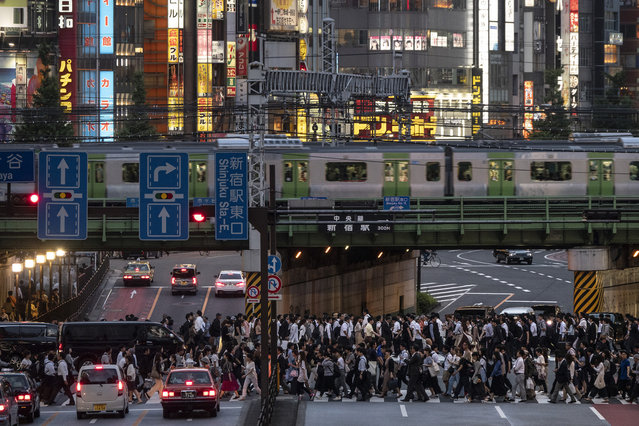
In this Tuesday, June 4, 2019, photo, a Yamanote Line train travels above commuters walking across the crossing during evening rush hours in the Shinjuku district of Tokyo. Operated by the East Japan Railway Co., the Yamanote Line in Tokyo makes a loop around the center of the city, connecting 29 stations that include key stops such as Shinjuku, Shibuya and Ikebukuro. A complete loop of about an hour offers scenes of Japanese daily lives. (Photo by Jae C. Hong/AP Photo)

In this Tuesday, June 4, 2019, photo, a Yamanote Line train travels above commuters walking across the crossing during evening rush hours in the Shinjuku district of Tokyo. Operated by the East Japan Railway Co., the Yamanote Line in Tokyo makes a loop around the center of the city, connecting 29 stations that include key stops such as Shinjuku, Shibuya and Ikebukuro. A complete loop of about an hour offers scenes of Japanese daily lives. (Photo by Jae C. Hong/AP Photo)
Details
27 Jun 2019 00:03:00
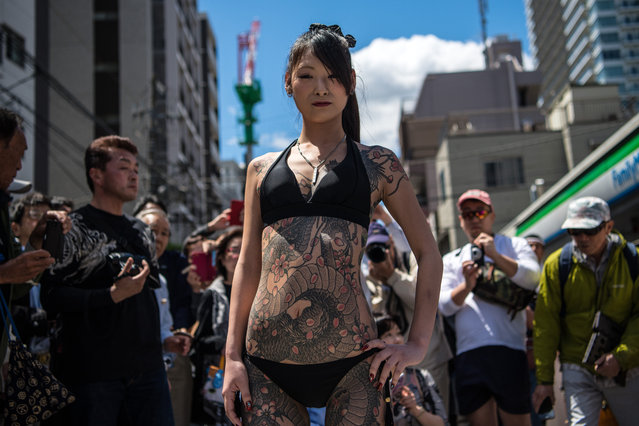
A heavily tattooed Japanese woman poses for photographs near Asakusa Temple during the third and final day of Sanja Festival, on May 20, 2018 in Tokyo, Japan. Sanja Festival is one of Japan's major festivals and is held annually in the Asakusa area of Tokyo. The three day event starts with a grand parade with people in traditional costumes performing dances before around a hundred mikoshi (portable shrines) from the local communities are carried to and from Asakusa Temple watched on by an audience of locals and tourists. (Photo by Carl Court/Getty Images)

A heavily tattooed Japanese woman poses for photographs near Asakusa Temple during the third and final day of Sanja Festival, on May 20, 2018 in Tokyo, Japan. Sanja Festival is one of Japan's major festivals and is held annually in the Asakusa area of Tokyo. (Photo by Carl Court/Getty Images)
Details
22 May 2018 07:21:00