Photographer Patrick Halls likes to make the people he takes photos of uncomfortable in order to “capture a real emotion”. It is no wonder that for his latest project, he decided to stun his subjects with a taser.
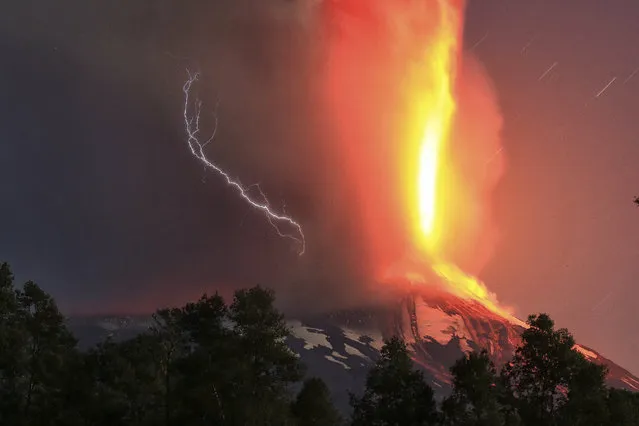
The Villarica volcano erupts near Pucon, Chile, early Tuesday, March 3, 2015. The Villarica volcano erupted Tuesday around 3 a.m. local time (06:00 GMT), according to the National Emergency Office, which issued a red alert and ordered evacuations. (Photo by Aton Chile/AP Photo)
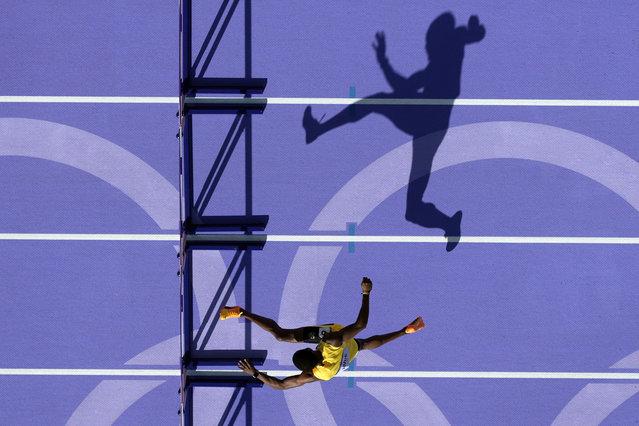
Jaheel Hyde, of Jamaica, competes in a men's 400-meter hurdles heat at the 2024 Summer Olympics, Monday, August 5, 2024, in Saint-Denis, France. (Photo by David J. Phillip/AP Photo)
Cars sit abandoned in a former shopping centre in the United Nations buffer zone in central Nicosia March 12, 2014. The cars were imported from Japan to be sold at a Toyota dealership. They were stored here during the 1974 conflict and have not been moved since. (Photo by Neil Hall/Reuters)
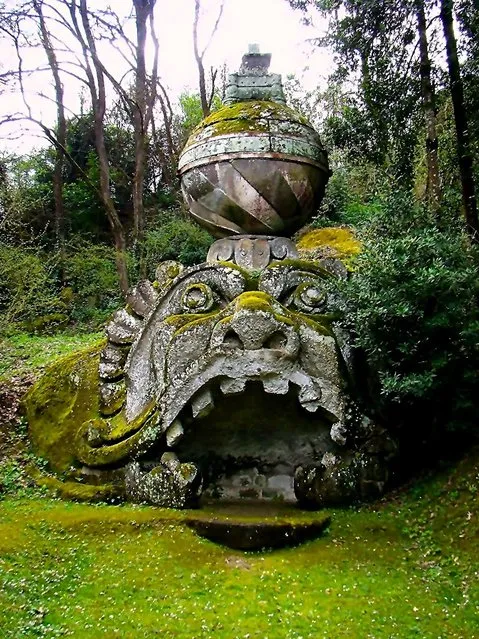
Bomarzo's main attraction is a garden, usually referred to as the Bosco Sacro (Sacred grove) or, locally, Bosco dei Mostri ("Monsters' Grove"), named after the many larger-than-life sculptures, some sculpted in the bedrock, which populate this predominantly barren landscape.
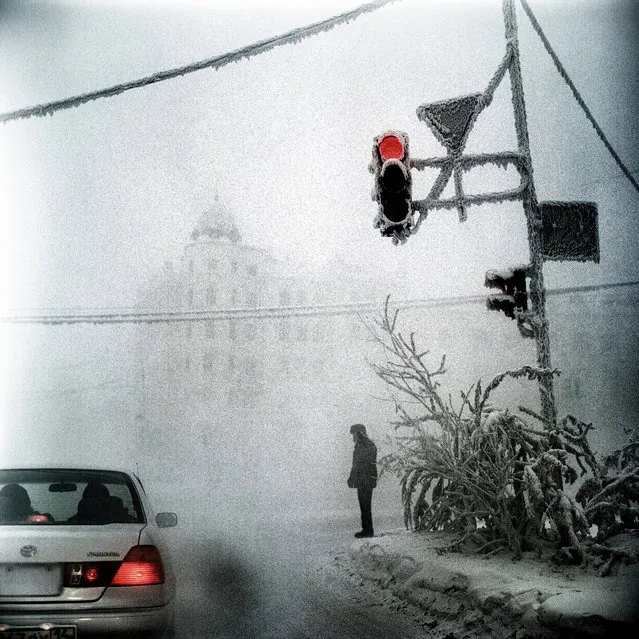
Yakutsk, a remote city in Eastern Siberia along the Lena River, is the coldest city in the world. Located 1840 km away from Irkoustk and 5000 km away from Moscow, this city founded in 1632 by the Cossacks imposes upon its inhabitants an extreme way of life. And yet, despite particularly harsh conditions, Yakutsk boasts a population of 270,000, or a quarter of the entire population of Siberia. No other place on the planet experiences the temperature extreme found here: in winter, the temperatures regularly fall to minus 40° (the coldest temperature recorded was –64°C) and in summer often reaches temperatures above 30°C. Photo: January 2013. A scene in Yakutsk, Siberia, the coldest city in the world. (Photo by Steeve Iuncker/Agence VU)