Loading...
Done
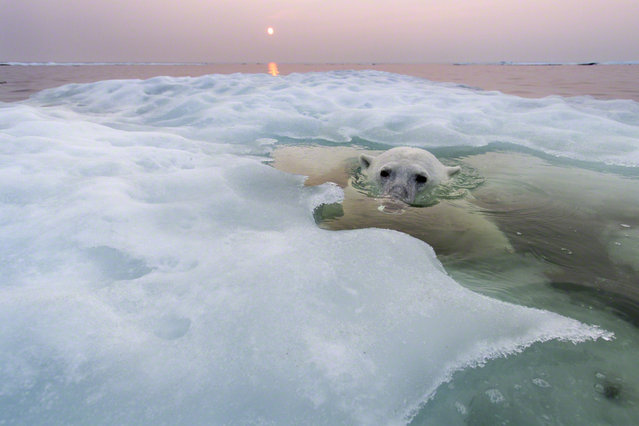
Photographing Polar Bears By Paul Souders

American nature and wildlife photographer Paul Souders is very well-travelled around the globe. In one of his exploits, we have his series of images shot in the ice capped shores of Churchill, Canada. Souders took his Zodiac boat to Hudson Bay in midsummer and waited there for three days before he finally saw a bear, a young female while on sea ice around 30 miles offshore.
Details
29 Aug 2014 13:52:00
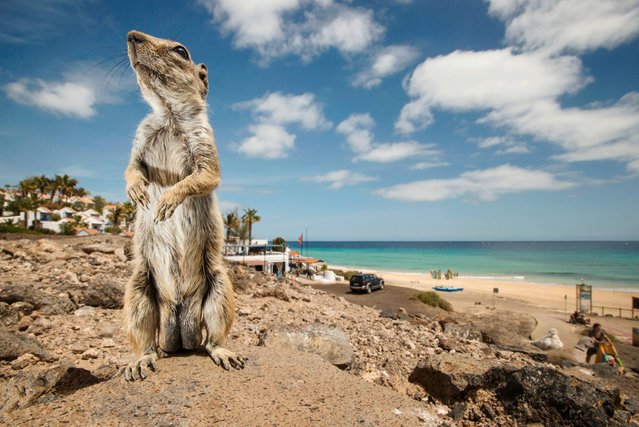
A ground squirrel. (Photo by Sam Hobson/Wildscreen Photography Festival 2014)

From towering elephants to tiny insects, photographers will be offering a rare insight into the natural world at this year’s Wildscreen Photography Festival 2014. The festival, formerly known as WildPhotos, is the UK’s largest wildlife photography show. The Wildscreen Photography Festival 2014 will be taking place between 24-26 October at London’s Royal Geographical Society. (Photo by Sam Hobson/Wildscreen Photography Festival 2014)
Details
25 Sep 2014 13:21:00
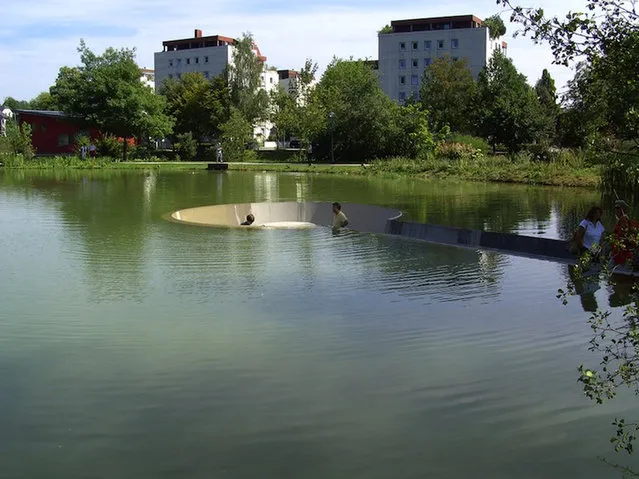
Vocklabruck Platform In The Middle Of A Lake

There's a wonderfully picturesque spot in Vöcklabruck, Austria where visitors are able to sit in the middle of a pond without getting wet. The scenic landscape includes a path leading down to a hollowed out circular area where people can take a seat and relax amongst nature. It's a surreal journey along the gradual ramp to the observational platform as the water level gains height either side. Once in the resting area, depending on perspective, visitors seem like they're wading in the lake without a drop of water on them.
Details
09 Apr 2013 09:23:00
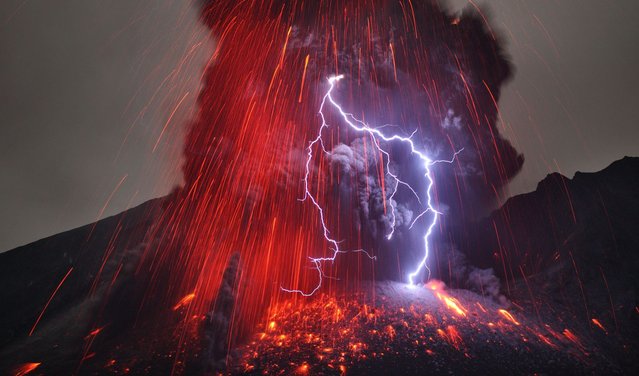
Lightning only ever strikes a volcanic eruption during heavy “vulcanian” or “plinian” explosions when the amount of red lava is very low. (Photo by Martin Rietze/Guzelian)

Martin Rietze is a “volcano-chaser”, a particular breed of photographer who takes big risks for big shots. He was able to capture destructive and beautiful forces of nature at work on a trip to Japan in February 2013. His photos show the Sakurajima Volcano, an active volcanic who's record-breaking 1914 eruption sent lava flows across the island. (Photo by Martin Rietze/Guzelian)
Details
08 Apr 2013 10:49:00
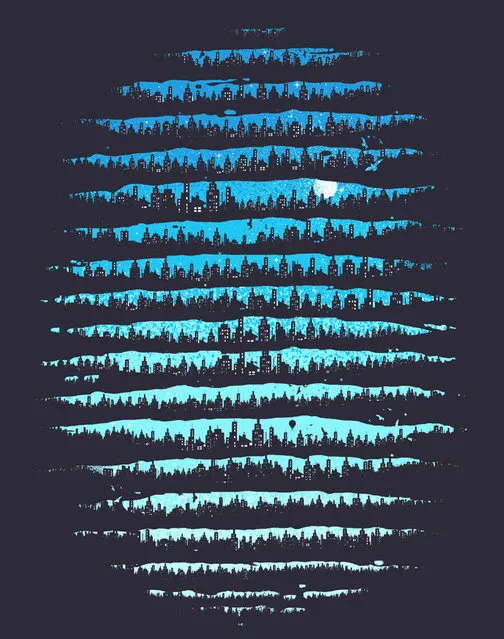
Art Prints By Robson Borges

Robson Borges is a 32 year old illustrator from Brazil. In his illustrations you will see everything from nature, animals, skylines of buildings and much more. The great thing about Borges’ illustration style is the way that he uses the background and objects together to frame his art. You can see a ton of his great prints for sale on society6, as well as in places like Threadless and DesignByHumans. So check out these great art prints and check out more of his apparel designs and art prints through the links below.
Details
17 Aug 2013 06:59:00
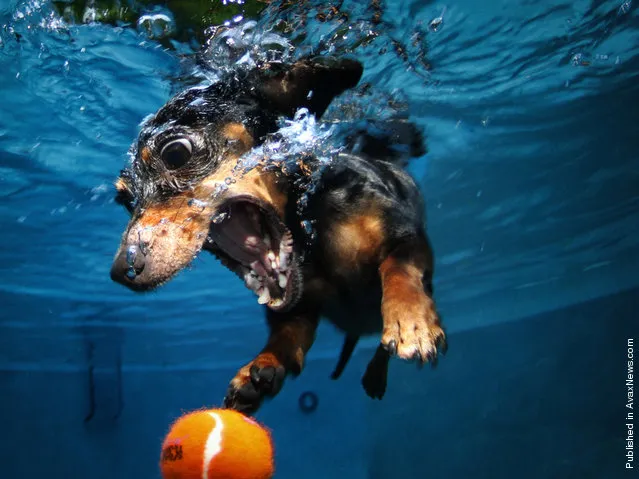
Seth Casteel – Underwater Dog Photographer

“Photographer Seth Casteel has definitely taken animal photography to new heights – or depths – with his hilarious photos of dogs chasing balls underwater. Casteel, who, naturally, has two dogs of his own (a mini Labradoodle and a Norwich terrier), said that he's drawn to underwater dog photography because the photos show a side of dogs that people may have never seen before”.

Photo: Seth Casteel Underwater Dog Pictures (Photo by Seth Casteel)
Details
15 Feb 2012 10:36:00
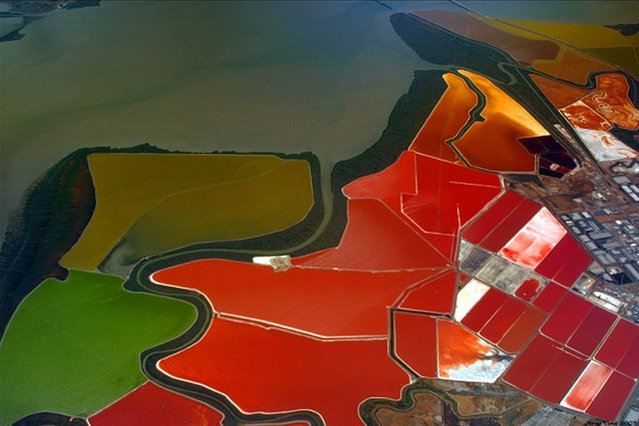
Salt ponds in San Francisco Bay

Salt evaporation ponds, also called salterns or salt pans, are shallow artificial ponds designed to produce salts from sea water or other brines. The seawater or brine is fed into large ponds and water is drawn out through natural evaporation which allows the salt to be subsequently harvested. The ponds also provide a productive resting and feeding ground for many species of waterbirds, which may include endangered species. The ponds are commonly separated by levees.
Details
11 Oct 2012 12:49:00
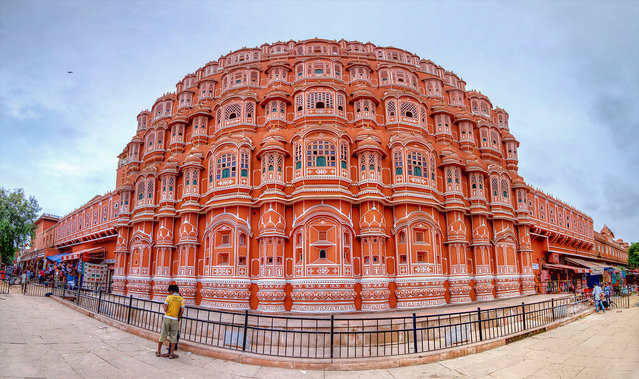
Hawa Mahal India

Hawa Mahal, which translates as the Palace of Winds, was built in 1799 by Maharaja Sawai Pratap Singh. The design of the palace was created by Shreyansh Jain to resemble the crown of Krishna. The design of this unique five-story building is akin to a honeycomb. The main purpose of this building was to allow royal ladies to watch the street below while remaining unseen, since during those times they had a strict code of dressing, which meant covering their faces. The palace was designed to produce the Venturi effect, which created natural air conditioning and kept the interior relatively cool during hot summers.
Details
22 Nov 2014 13:22:00