Loading...
Done
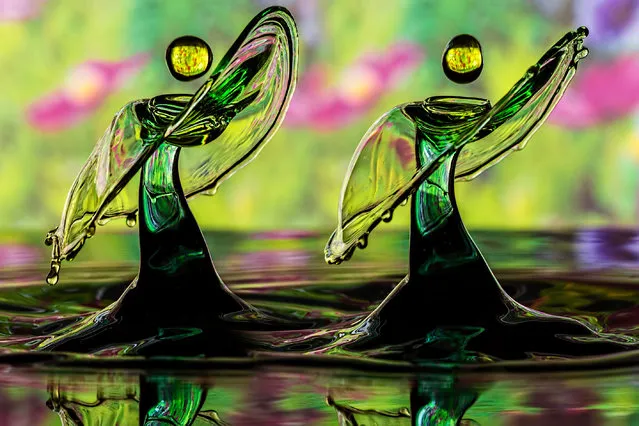
Looks like 2 dancing angels. (Photo by Ronny Tertnes/TwoByTwoEditorial.co.uk)

“These stunning ultra-high speed photos of water droplets were captured by photographer, Ronny Tertnes, 48, from Bergen, Norway. They show the water’s displacement as various liquids are being dropped in. Ronny, who works full time as an IT administrator, set up his camera and flash rigs to capture the exact moment a droplet hit the surface, sometimes causing several drops to collide into each other”. – TwoByTwoEditorial.co.uk. (Photo by Ronny Tertnes/TwoByTwoEditorial.co.uk)
Details
27 Mar 2014 06:36:00
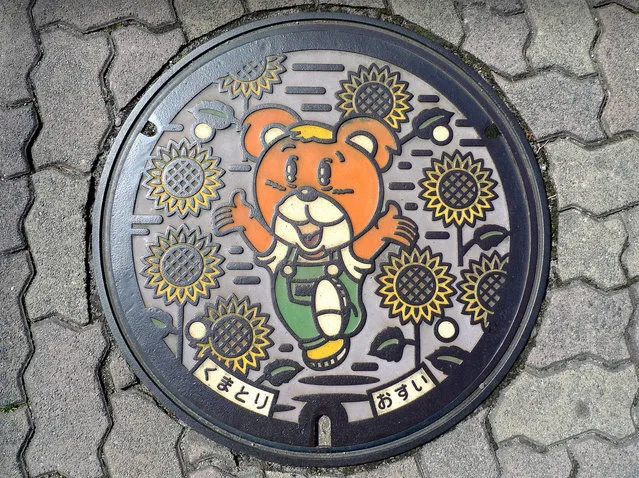
Japanese Manhole Covers Photos By S. Morita Part 1

Japan is a country full of art. Much of this is housed in museums and galleries, but others are right under our feet. We speak, of Japan’s peculiar obsession with manhole covers. Almost anywhere in the country you can find manhole covers with spectacular grounds, each more beautiful and complex than the previous. In recent years, S. Morita photographer has traveled around Japan and leave us this great gathering on the beautiful and artistic Japanese manhole covers.
Details
03 Apr 2014 14:31:00
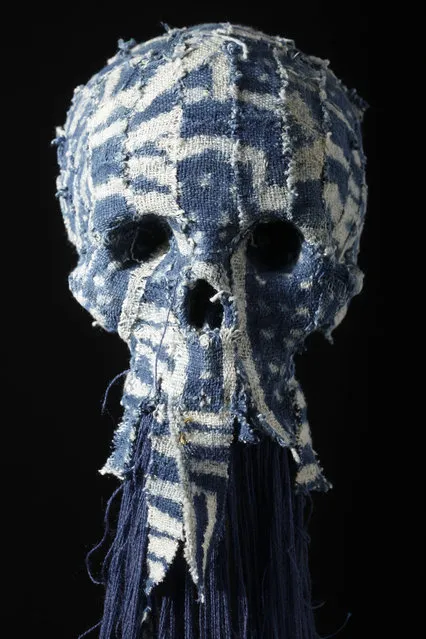
Skulls By Jim Skull

Inspired by personal experiences, a mix of cultures, rituals, and travelling the world, artist Jim Skull creates elaborate woven skull sculptures. He likes to be referred to as Jim Skull as a reflection of his interest in skulls; a symbol that he has been working with since the 1980s. He is currently living in France where he creates beautifully crafted sculptures out of rope, Papier-mâché, and other natural materials. He was born in New Caledonia and there’s no doubt that the influences of the tribal arts from Oceania, Africa, and North America are evident within his technique.
Details
11 Apr 2014 13:30:00
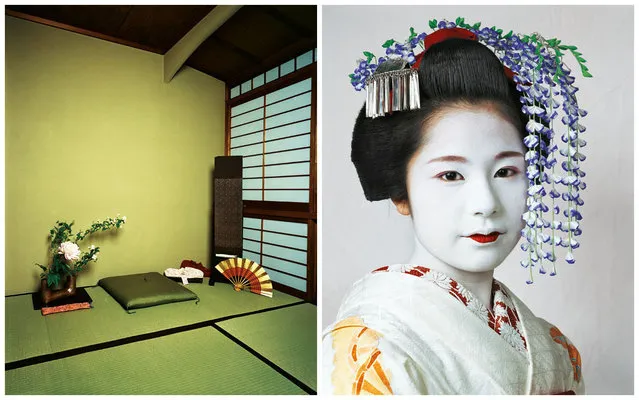
Where Children Sleep By James Mollison Part 2

Where Children Sleep – stories of diverse children around the world, told through portraits and pictures of their bedrooms by James Mollison. This is a selection from the 56 diptychs in the book (Chris Boot November 2010). The book is written and presented for an audience of 9-13 year olds‘ intended to interest and engage children in the details of the lives of other children around the world, and the social issues affecting them, while also being a serious photographic essay for an adult audience.
Details
17 Apr 2014 14:23:00


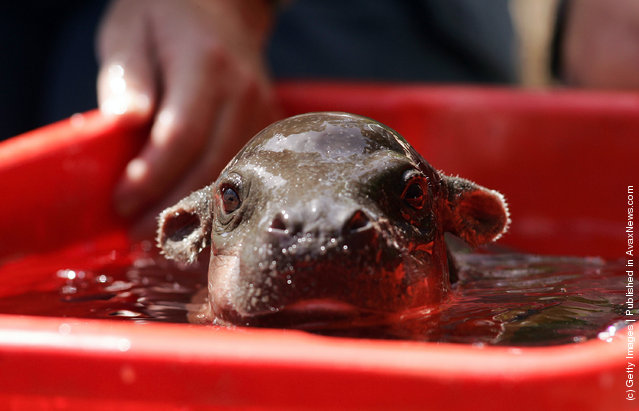
“The pygmy hippopotamus (Choeropsis liberiensis or Hexaprotodon liberiensis) is a large mammal native to the forests and swamps of western Africa (the specific name liberiensis means “of Liberia”, as this is where the vast majority live). The pygmy hippo is reclusive and nocturnal. It is one of only two extant species in the Hippopotamidae family, the other being its much larger cousin the common hippopotamus”. – Wikipedia

Photo: Monifa, a one month old baby Pygmy Hippopotamus takes a morning bath at Taronga Zoo on November 7, 2008 in Sydney, Australia. Monifa is the first Pygmy Hippopotamus to be born at Taronga Zoo in the past twenty three years. (Photo by Sergio Dionisio/Getty Images)
Details
11 Apr 2011 08:11:00


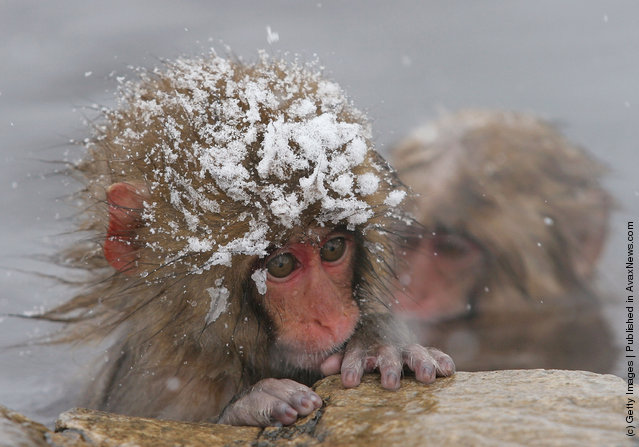
Japanese macaque monkeys enjoy sitting in the hot springs at Jigokudani-Onsen (Hell Valley) on January 23, 2005 in Jigokudani, Nagano-Prefecture, Japan. Japanese Macaques, also known as snow monkeys are the most northerly nonhuman primate in the world. In 1963 a female Macaque ventured into the hot springs to retrieve some soybeans. This behaviour was adopted by other monkeys, and eventually by the entire troop. This Macaque troop regularly visits the Jigokudani-Onsen springs to escape the cold. The hot springs are said to help relieve nerve pain and fatigue. (Photo by Koichi Kamoshida/Getty Images)
Details
20 May 2011 08:04:00


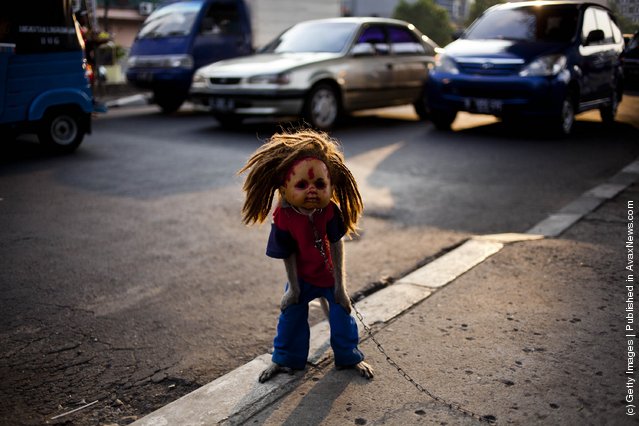
Ucil, a trained monkey, takes part in a street performance on June 1, 2011 in Jakarta, Indonesia. The street performances usually involve the monkeys wearing masks, such as dolls' heads or attire to mimic humans, with the monkeys trained to act out human activities such as shopping, riding bicycles or other simulations of human behaviour. Poverty drives the handlers to exploit the monkeys in the hope of earning small change, but the effect and cruelty to the monkeys is a cause that charities such as the Jakarta Animal Aid Network are increasingly taking up. (Photo by Ulet Ifansasti/Getty Images)
Details
02 Jun 2011 12:14:00
A baby wallaby

“Very small forest-dwelling wallabies are known as pademelons (genus Thylogale) and dorcopsises (genera Dorcopsis and Dorcopsulus). The name wallaby comes from the Eora Aboriginal tribe who were the original inhabitants of the Sydney area. Wallabies are herbivores whose diet consists of a wide range of grasses, vegetables, leaves, and other types of foliage”. – Wikipedia

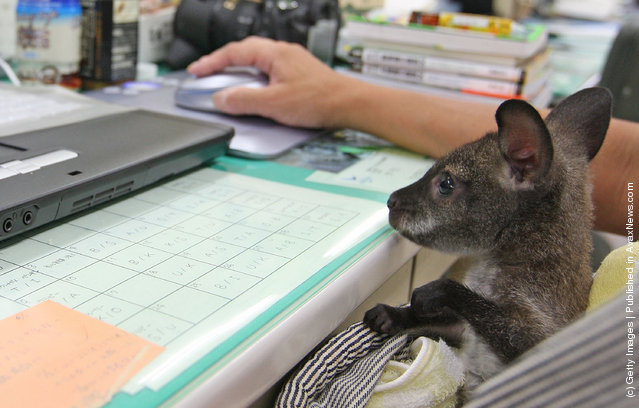
Photo: A baby wallaby sits in a zoo attendant's lap at Edogawa Natural Zoo on August 4, 2009 in Tokyo, Japan. The staff of the zoo have raised the young wallaby after her mother neglected her. (Photo by Junko Kimura/Getty Images)
Details
07 Sep 2011 13:33:00