Loading...
Done
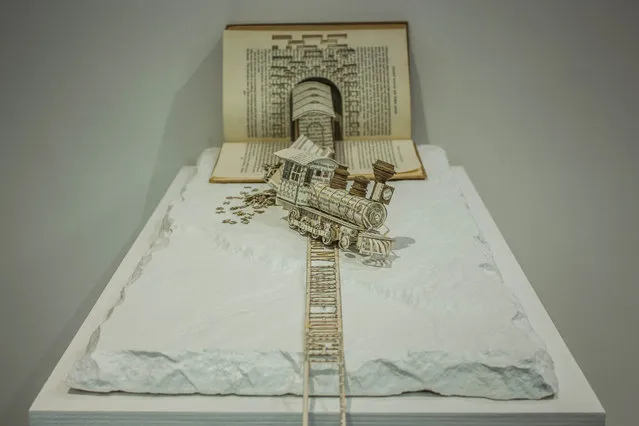
Derailing My Train of Thought By Thomas Wightman

This awesome book sculpture is by Thomas Wightman and is the most recent of the series, if you would like to see his two previous sculptures do so via his website.


See Also: Plagued by Doubt
Details
29 Nov 2013 11:07:00
The “Underdogs” Project by Sebastian Magnani

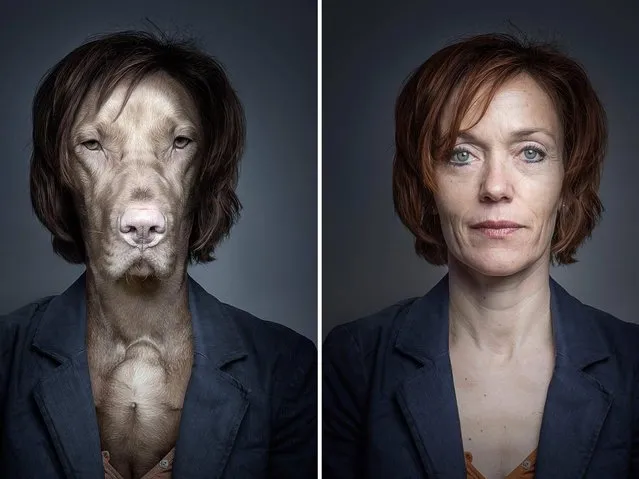
This barking set of images takes the saying “dogs look like their owners” to the ultimate conclusion. Photographer Sebastian Magnani, 28, has cleverly spliced the features of four-legged friends with the head and shoulders of their owners. In a series called “Underdogs”, the Swiss photographer shot the owners and their respective pets in the same portrait style. Then he used expert photo-manipulation techniques to seamlessly transplant the canine faces onto the human bodies. (Photo by Sebastian Magnani)
Details
04 Jul 2013 12:05:00
Steampunk World By Vadim Voitekhovitch

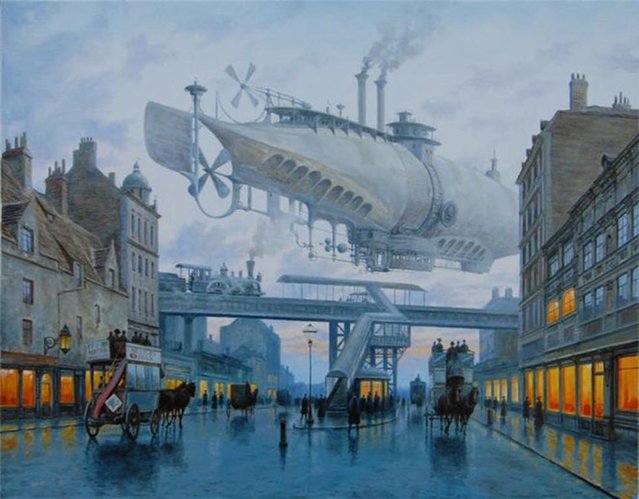
Vadim Voitekhovitch was born in a small town of Mozyr, Belarus. He spent most of his life Belarus and he graduated from Bobruisk Art College. From 2004 he lives and works in Germany. His style is quite diverse, but he dedicates most of his time to watercolor and oil. Voitekhovitch likes to draw pictures on history subjects and especially subjects coming from XVIII-XIX centuries.
Details
15 Jul 2013 11:45:00
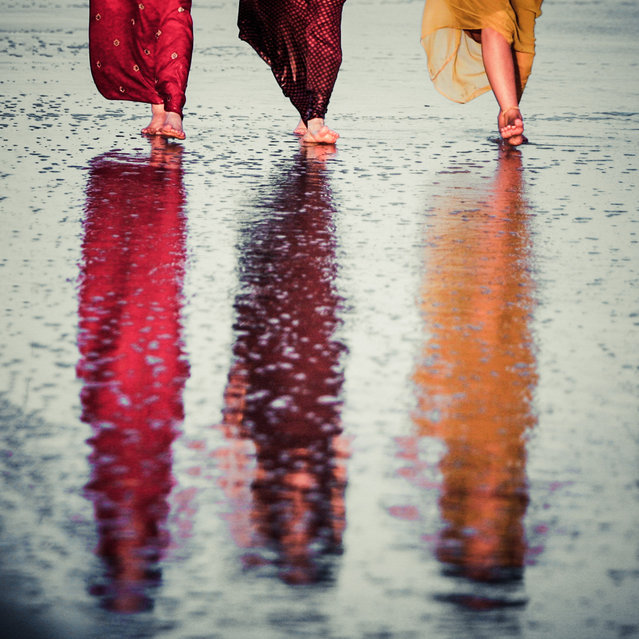
“Walking six feet tall”. (Photo by Photocillin)

“Photocillin is the pseudonym of Dr Andy Teo, physician and people photographer based in the Surrey/Hampshire borders near London in the UK. My style is about showing the beauty of people and the world in which they live in a retro-utopian way”. – Andy Teo. Photo: “Walking six feet tall”. (Photo by Photocillin)
Details
04 May 2014 11:26:00
Chameleon lunch by Shikhei Goh

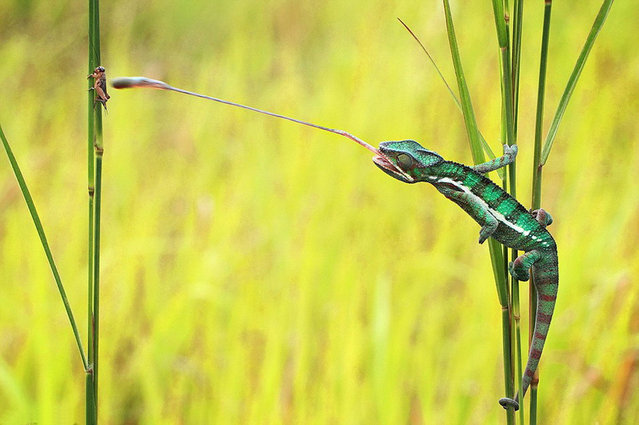
Photos taken by Shikhei Goh while he was walking through a field on Batam Island, Indonesia.


SEE ALSO: South African Leopard Catches Sandgrouse
Details
01 Nov 2012 09:30:00
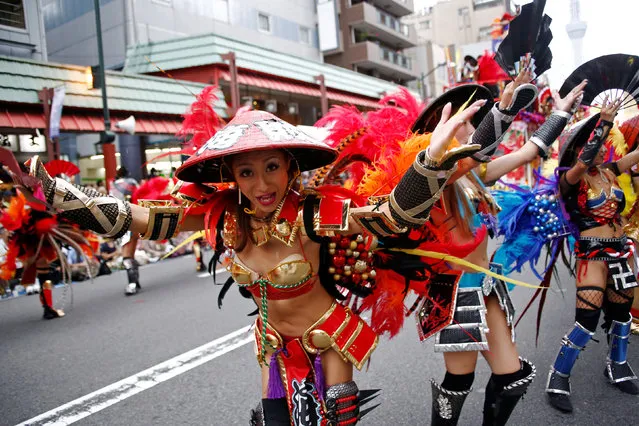
Samba dancers perform during the annual Asakusa Samba Carnival in Tokyo, Japan August 27, 2016. (Photo by Kim Kyung-Hoon/Reuters)

Samba dancers perform during the annual Asakusa Samba Carnival in Tokyo, Japan August 27, 2016. Asakusa is a district in Taitō, Tokyo. The neighborhood is famous for its annual Brazilian style carnival. There is a significant Brazilian presence in the local community and the Association of Samba Schools of Asakusa is based there. (Photo by Kim Kyung-Hoon/Reuters)
Details
28 Aug 2016 10:05:00
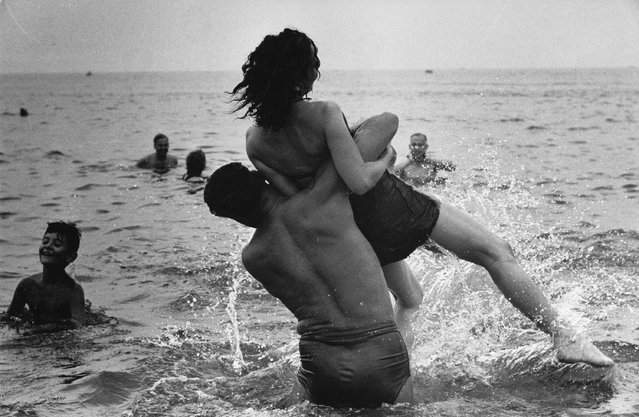
"The Family of Man" opened at The Museum of Modern Art in January 1955 and was curated by Edward Steichen. It was groundbreaking in its scope – 503 images by 273 photographers from 68 countries – as well as in the numbers of people who experienced it on its tour through 88 venues in 37 countries. The touring exhibit drew over 9 million people and the accompanying catalog sold over 2.5 million copies. Here: "Coney Island, New York," by American photographer Garry Winogrand, circa 1952. (Photo by Garry Winogrand)

“The Family of Man” opened at The Museum of Modern Art in January 1955 and was curated by Edward Steichen. It was groundbreaking in its scope – 503 images by 273 photographers from 68 countries – as well as in the numbers of people who experienced it on its tour through 88 venues in 37 countries. The touring exhibit drew over 9 million people and the accompanying catalog sold over 2.5 million copies. Here: “Coney Island, New York”, by American photographer Garry Winogrand, circa 1952. (Photo by Garry Winogrand)
Details
04 Jan 2016 08:02:00


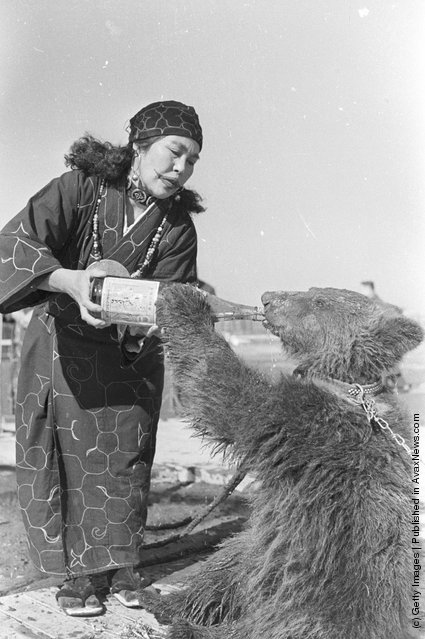
“The Ainu (アイヌ?), also called Aynu, Aino (アイノ), and in historical texts Ezo (蝦夷), are indigenous people or groups in Japan and Russia. Historically they spoke the Ainu language and related varieties and lived in Hokkaidō, the Kuril Islands, and much of Sakhalin. Most of those who identify themselves as Ainu still live in this same region, though the exact number of living Ainu is unknown. This is due to ethnic issues in Japan resulting in those with Ainu backgrounds hiding their identities and confusion over mixed heritages. In Japan, because of intermarriage over many years with Japanese, the concept of a 'pure Ainu' ethnic group is no longer feasible. Official estimates of the population are of around 25,000, while the unofficial number is upwards of 200,000 people”. – Wkipedia

Photo: A captive bear drinking from a large bottle held by an Ainu tribeswoman. (Photo by Evans/Three Lions/Getty Images). Circa 1955
Details
24 Mar 2011 14:01:00