Loading...
Done
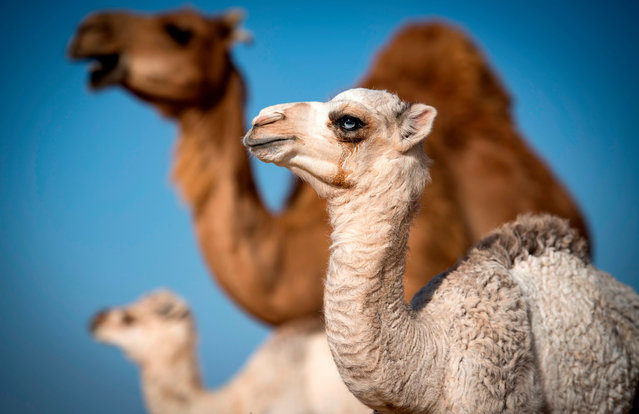
A camel calf is seen among a herd in the desert near Dakhla in Morocco-administered Western Sahara, on October 13, 2019. In the Oued Eddahab desert in Western Sahara, Habiboullah Dlimi raises dairy and racing camels just like his ancestors used to, but with a little help from modern technology. While his animals roam free and are milked traditionally, by hand, at dawn and dusk, they are watched over by hired herders and Dlimi follows GPS coordinates across the desert in a 4X4 vehicle to reach them. (Photo by Fadel Senna/AFP Photo)

A camel calf is seen among a herd in the desert near Dakhla in Morocco-administered Western Sahara, on October 13, 2019. In the Oued Eddahab desert in Western Sahara, Habiboullah Dlimi raises dairy and racing camels just like his ancestors used to, but with a little help from modern technology. While his animals roam free and are milked traditionally, by hand, at dawn and dusk, they are watched over by hired herders and Dlimi follows GPS coordinates across the desert in a 4X4 vehicle to reach them. (Photo by Fadel Senna/AFP Photo)
Details
24 Nov 2019 00:03:00
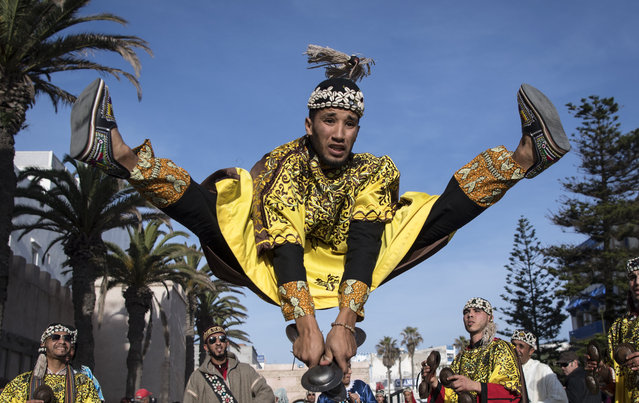
A Gnawa traditional group performs in the city of Essaouira on December 14, 2019, to celebrate the decision of adding the Gnawa culture to UNESCO's list of Intangible Cultural Heritage of Humanity. Gnawa culture, a centuries-old Moroccan practice rooted in music, African rituals and Sufi traditions, was added to UNESCO's list of Intangible Cultural Heritage of Humanity earlier in the week. Gnawa refers to a “set of musical productions, fraternal practices and therapeutic rituals where the secular mixes with the sacred”, according to the nomination submitted by Morocco. Often dressed in colourful outfits, Gnawa musicians play the guenbri, a type of lute with three strings, accompanied by steel castanets called krakebs. (Photo by Fadel Senna/AFP Photo)

A Gnawa traditional group performs in the city of Essaouira on December 14, 2019, to celebrate the decision of adding the Gnawa culture to UNESCO's list of Intangible Cultural Heritage of Humanity. Gnawa culture, a centuries-old Moroccan practice rooted in music, African rituals and Sufi traditions, was added to UNESCO's list of Intangible Cultural Heritage of Humanity earlier in the week. Gnawa refers to a “set of musical productions, fraternal practices and therapeutic rituals where the secular mixes with the sacred”, according to the nomination submitted by Morocco. Often dressed in colourful outfits, Gnawa musicians play the guenbri, a type of lute with three strings, accompanied by steel castanets called krakebs. (Photo by Fadel Senna/AFP Photo)
Details
18 Dec 2019 00:05:00
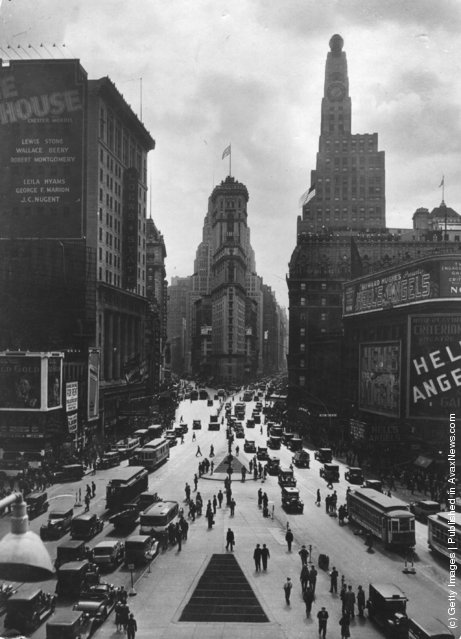
1930: Looking towards the Times Building on Times Square, the Paramount Building is on the right, and Seventh Avenue on the left crossing Broadway

Looking towards the Times Building on Times Square, the Paramount Building is on the right, and Seventh Avenue on the left crossing Broadway. (Photo by General Photographic Agency/Getty Images). Circa 1930
Details
20 Jan 2012 14:22:00
(L-R) Chris Diamantopoulos,  AnnaLynne McCord, Matt Jones and Jane Seymour visit the Build Series at Build Studio on January 23, 2018 in New York City, United States. (Photo by Brad Barket/Getty Images)

(L-R) Chris Diamantopoulos, AnnaLynne McCord, Matt Jones and Jane Seymour visit the Build Series at Build Studio on January 23, 2018 in New York City, United States. (Photo by Brad Barket/Getty Images)
Details
25 Jan 2018 09:08:00
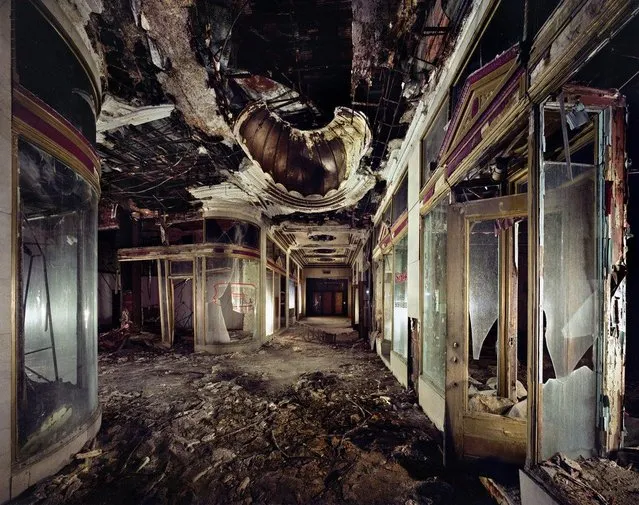
Lafayette Building. (Photo by Yves Marchand/Romain Meffre)

Lafayette Building. (Photo by Yves Marchand/Romain Meffre)
Details
21 Jul 2013 10:51:00
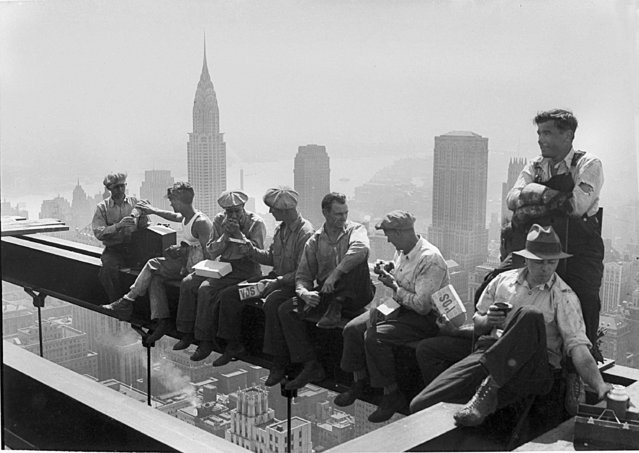
Construction workers take a lunch break on a steel beam atop the RCA Building at Rockefeller Center, New York, September 29, 1932. In the background is the Chrysler Building. (Photo by AP Photo)

Construction workers take a lunch break on a steel beam atop the RCA Building at Rockefeller Center, New York, September 29, 1932. In the background is the Chrysler Building. (Photo by AP Photo)
Details
01 Oct 2015 08:03:00
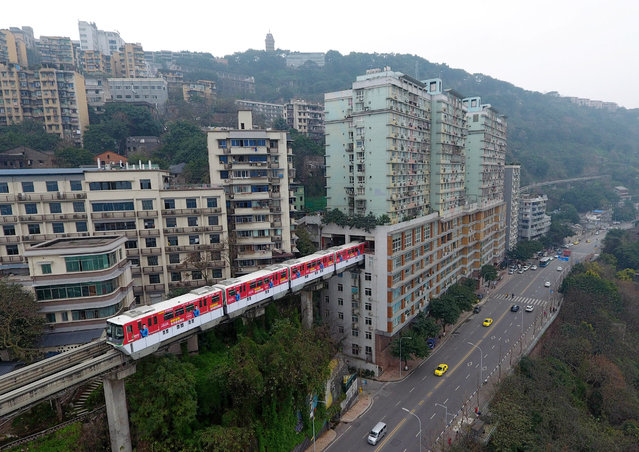
A light railway train passes through a residential building on March 18, 2017 in Chongqing, China. Chongqing Rail Transit No.2 and a 19-storey residential building have been built across each other. The railway set its Liziba Station on the sixth to eighth floor in the building with noise reduction equipment. (Photo by VCG/VCG via Getty Images)

A light railway train passes through a residential building on March 18, 2017 in Chongqing, China. Chongqing Rail Transit No.2 and a 19-storey residential building have been built across each other. The railway set its Liziba Station on the sixth to eighth floor in the building with noise reduction equipment. (Photo by VCG/VCG via Getty Images)
Details
20 Mar 2017 09:50:00
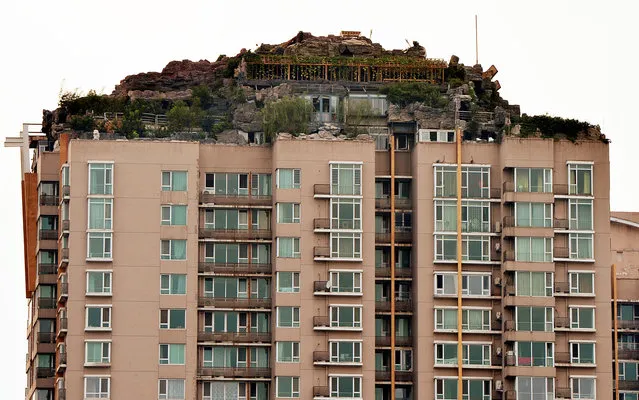
A villa privately built on the rooftop of a residential building in downtown Beijing has prompted complaints from neighbours living below. Professor Zhang, the villa owner, has been instructed to tear down the illegal building, according to the property managers. (Photo by Mark Ralston/AFP Photo)

A villa privately built on the rooftop of a residential building in downtown Beijing has prompted complaints from neighbours living below. Professor Zhang, the villa owner, has been instructed to tear down the illegal building, according to the property managers. (Photo by Mark Ralston/AFP Photo)
Details
13 Aug 2013 10:30:00